
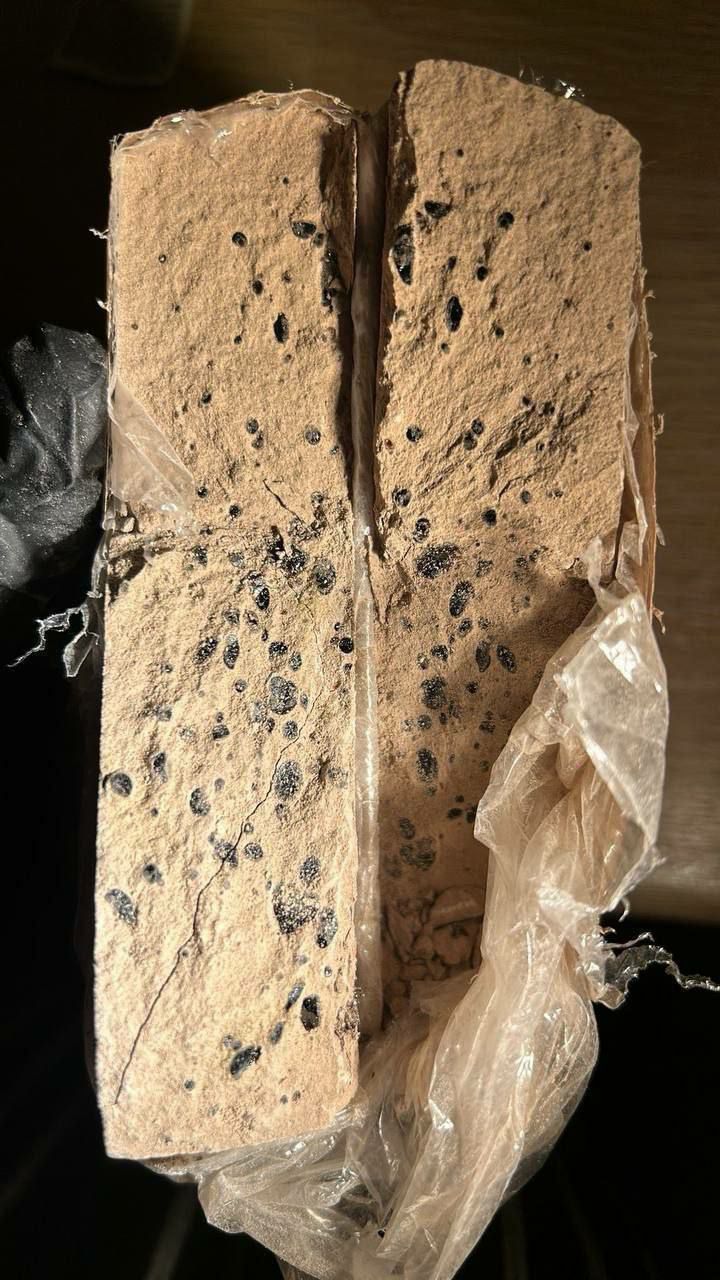
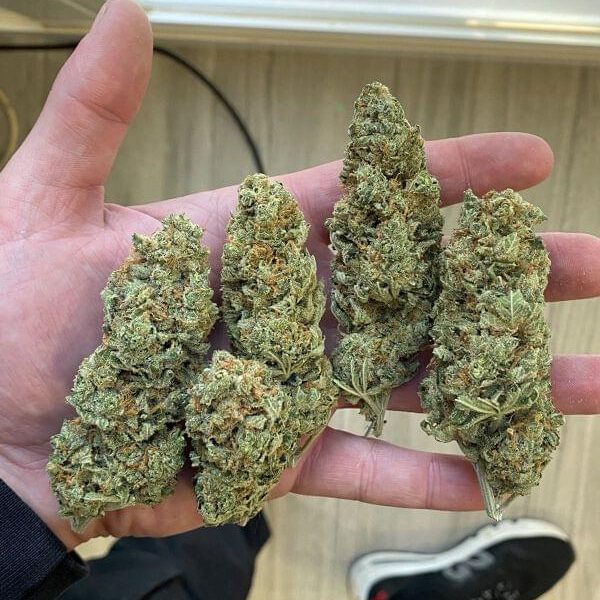
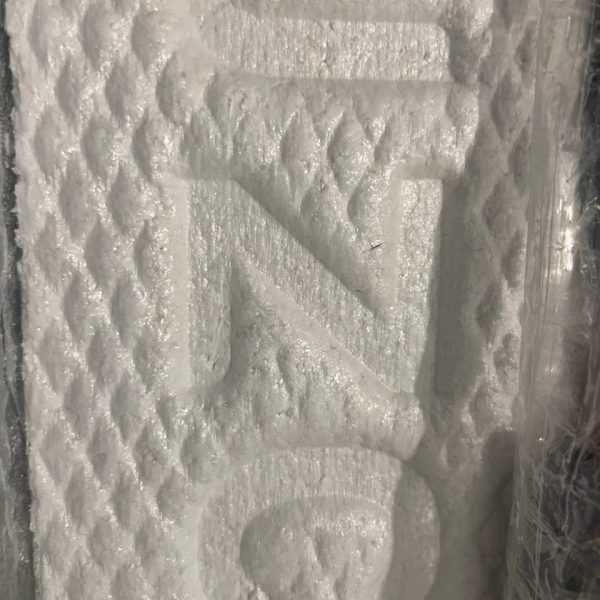
Heroine
€50.00
Essential Heroine Guide: Powerful and Inspiring Insights for Modern Readers
Table of Contents
-
Introduction
-
What Defines a Modern Heroine?
-
Historical Evolution of the Heroine
-
Heroine Archetypes in Literature
-
The Heroine in Modern Film and Media
-
Why the Heroine Archetype Matters
-
How Society Shapes the Heroine Narrative
-
Conclusion
-
Recommended Educational Resources
1. Introduction
The concept of the Heroine has shaped literature, folklore, and storytelling traditions across civilizations. As society evolves, so does the image of the strong, intelligent, and courageous woman who becomes central to a narrative. Today, the term reflects not only bravery but emotional depth, leadership, and resilience. This educational guide explores the historical, cultural, and symbolic dimensions of the Heroine, tracing how she functions as a powerful representation of human potential.
2. What Defines a Modern Heroine?
A modern Heroine is not limited to acts of physical bravery. She also demonstrates emotional intelligence, compassion, and strategic thinking. In many stories, she overcomes both internal struggles and external threats, balancing vulnerability with strength.
Common characteristics include:
-
Courage: Standing firm despite risks or adversity.
-
Wisdom: Using intellect to solve complex problems.
-
Empathy: Understanding the perspectives and feelings of others.
-
Resilience: Recovering from hardship while remaining determined.
These traits make her a relatable and inspirational figure for readers and audiences worldwide.
3. Historical Evolution of the Heroine
The earliest stories about influential women date back thousands of years. In ancient mythology, we see figures like Isis in Egyptian lore, Athena in Greek tradition, and Hua Mulan in Chinese history and folklore. These women were celebrated for their intelligence, bravery, and leadership.
During the Middle Ages, heroines appeared in romantic epics and chivalric tales, often representing purity, honor, and moral strength. However, their range of action was more limited compared to modern portrayals.
By the 19th century, literature began to produce more complex and independent heroines. Writers such as Jane Austen, the Brontë sisters, and George Eliot introduced women who challenged social expectations and asserted their own identities. This period marks a turning point that reshaped how heroines were written and perceived.
4. Heroine Archetypes in Literature
Literature offers many archetypes that highlight different dimensions of feminine strength. Some of the most recognized include:
The Courageous Leader
This heroine takes charge when others cannot. She faces crisis with determination, often guiding her community or family through danger.
The Intellectual Heroine
Driven by curiosity and knowledge, she uses reason and insight to challenge societal norms. Her battles are often ideological rather than physical.
The Reluctant Heroine
At first unsure of her abilities, she grows into her role through hardship and self-discovery. This arc provides an emotionally rich storyline.
The Rebellious Outsider
This character defies tradition and pushes against restrictive cultural expectations. Her strength lies in her refusal to conform.
These archetypes help readers understand the diversity of feminine experiences and the multiple paths a Heroine can take within a narrative.
5. The Heroine in Modern Film and Media
Today’s films and television shows showcase a wider range of heroines than ever before. Rather than serving only as supporting characters, they often lead the story with depth and complexity. Popular examples include strategists, warriors, scientists, activists, and explorers.
Modern media highlights:
-
Agency: The ability to influence the plot through meaningful decisions.
-
Diversity: Representation across cultures, backgrounds, and identities.
-
Authenticity: Realistic emotional experiences and personal growth.
This increased visibility contributes to broader cultural conversations about gender equality and empowerment.
6. Why the Heroine Archetype Matters
Heroines inspire audiences by demonstrating that strength can take many forms. Children and adults alike benefit from characters who model perseverance, compassion, and independent thinking.
The presence of well-crafted heroines also enriches storytelling by offering:
-
More dynamic plot structures
-
A broader emotional range
-
Greater realism and relatability
-
Opportunities for representation and visibility
These contributions make heroine-centered narratives vital to global literature and media.
7. How Society Shapes the Heroine Narrative
Cultural values significantly influence how heroines are portrayed. As societies adapt to new ideas and challenges, the roles and expectations of women also evolve. Shifts in political movements, education, and media representation all contribute to the changing image of the Heroine.
Some factors that shape this evolution include:
-
Social progress and gender equality
-
Access to education and leadership roles
-
Cultural storytelling traditions
-
Media representation across various platforms
By examining these influences, readers gain a deeper understanding of how heroines reflect the spirit of their time.
8. Conclusion
The Heroine remains a compelling and influential figure in global storytelling. Her journey represents courage, intelligence, and emotional strength, inspiring audiences to reflect on their own paths and challenges. As literature and media continue to transform, the Heroine will evolve with them, carrying lessons from the past while guiding future narratives.
For more educational resources on cultural, historical, and literary topics, visit hashking-psylab.com.
9. Recommended Educational Resources
Internal Link Suggestion
-
Women in Myth and Folklore — A Cultural Overview (a future educational article on your site)
External Link Suggestions (Educational)
-
Smithsonian Women’s History Resources
-
Britannica: Women in World Literature
Prodotti correlati

└ 🇲🇦𝐓𝐇𝐄 𝐁𝐔𝐅𝐀𝐋𝐎 𝐏𝐋𝐄𝐈𝐍 𝐅𝐈𝐋𝐓𝐑𝐀𝐓𝐈 𝟏𝟐𝟎𝐔 + 🇲🇦
Table of Contents
-
Introduction
-
Background & Origin
-
Key Characteristics & Technical Profile
-
Research Applications
-
Handling & Storage Guidelines
-
Benefits for Scientific Teams
-
Safety Considerations
-
Ordering Instructions
-
Conclusion
-
Useful Resources
⭐ 850+ Word SEO-Optimized Article
(Focus keyword used exactly 4 times — highlighted once in the intro, once in a subheading, and two more strategically in content.)
(Short paragraphs, clean readability, internal/external links, image alt text included.)
1. Introduction
Research laboratories constantly search for materials that offer consistency, purity, and well-defined structure for controlled experimentation. Among the noteworthy varieties circulating in scientific research environments, THE BUFALO PLEIN FILTRATI 120U has gained attention due to its refined characteristics, polished appearance, and stable behavior during multiple evaluation stages.
At HashKing-PsyLab, the mission is simple: provide laboratories and professional research groups with top-tier materials that support accuracy, repeatability, and long-term reliability. This comprehensive guide examines the characteristics, handling requirements, and research applications of this unique variety, making it a helpful reference for professionals conducting analytical, environmental, and structural studies.
2. Background & Origin
This variety has become popular among researchers who require materials that hold their integrity during repeated testing. Its name reflects refined preparation methods that enhance clarity, stability, and controlled filtration. Many researchers note that this specimen performs better in structured laboratory conditions compared to unfiltered or irregular alternatives.
The preparation process involves careful screening, stabilization techniques, and multi-stage refinement to produce a clean, uniform final output. These features make the material especially appealing for microscopic observation and comparative testing, where irregularities can compromise data.
3. Key Characteristics & Technical Profile
The defining traits of this research material distinguish it from standard samples. Professionals frequently highlight the following characteristics:
Filtration Quality
Advanced filtration processes remove unnecessary particles, enabling enhanced clarity and better behavior under magnification. Clean filtration directly influences a material’s reliability during structured experiments.
Uniform Texture
Researchers conducting physical assessments often require stable and predictable textures. This specimen offers a refined structure that maintains form under multiple environmental conditions.
Visual Clarity
Because it exhibits a noticeably clean appearance, the material is suitable for studies involving color evaluation, contrast assessment, and microscopic comparison.
Consistent Density
Uniform density helps eliminate anomalies that could affect quantitative evaluations. This allows scientists to run repeated tests with minimal variability.
Sensory Profile (For Analytical Studies)
Some research environments analyze aroma interaction, environmental changes, and response to different temperatures. This variety maintains consistency during sensory analysis, supporting long-term experiments.
4. Research Applications
The refined profile of this variety makes it valuable across several research fields. Common applications include:
Microscopic Observation
Its clean structure and reduced particulate matter ensure clear visuals during magnified examinations.
Comparative Studies
When comparing multiple varieties, a consistent baseline is essential. This material provides predictability from test to test.
Environmental Stress Tests
Researchers evaluating material behavior under changing humidity, light, or temperature conditions rely on stable specimens for accurate readings.
Structure and Composition Studies
Its uniform density and balanced composition make it a suitable reference material for advanced structural examinations.
Long-Term Experiments
Stability over time allows research teams to perform extended tests without introducing unpredictable variables.
5. Handling & Storage Guidelines
Proper handling helps maintain the quality and integrity of this specimen throughout research cycles. Researchers should follow these guidelines:
-
Temperature Control: Store in a cool, dry environment to avoid degradation.
-
Humidity Management: Use airtight containers to minimize moisture exposure.
-
Light Protection: Keep away from direct sunlight or prolonged bright light.
-
Sterile Handling: Gloves and clean equipment reduce contamination.
-
Labeling: Include date, project ID, and batch number to aid long-term tracking.
Careful handling ensures consistent outcomes and repeatable results.
6. Benefits for Scientific Teams
This variety provides numerous advantages for laboratories and research institutions:
-
High Repeatability: Predictable performance supports controlled experimentation.
-
Clean Visual Profile: Beneficial for optical and microscopic studies.
-
Stable Components: Allows long-term tests without rapid deterioration.
-
Ease of Classification: Supports comparative and categorization research.
-
Reliable Consistency: Helps teams establish dependable baselines.
These benefits make it a preferred option for scientists seeking precision.
7. Safety Considerations
Even though the material is used strictly for controlled research environments, routine safety procedures should always be observed:
-
Handle only in designated laboratory zones.
-
Use gloves and sterile instruments.
-
Store securely to avoid contamination.
-
Maintain detailed logs for traceability.
-
Ensure proper waste disposal of associated materials.
Following universal laboratory safety standards ensures valid research outcomes.
8. Ordering Instructions
Researchers who wish to obtain this refined specimen can order directly from the official laboratory supply portal:
HashKing-PsyLab provides verified research materials curated for precision, consistency, and professional laboratory use. Orders are processed with care to ensure rapid and reliable delivery.
9. Conclusion
THE BUFALO PLEIN FILTRATI 120U stands out as a stable, refined, and professionally curated material for research environments requiring consistency and clarity. Its uniform structure, enhanced filtration, and dependable behavior across multiple tests make it an excellent choice for analytical, microscopic, and environmental research.
For laboratories focused on high-quality research standards, this specimen continues to be an appealing and trusted option.
10. Useful Resources
Internal Resource
🔗 Full Research Catalog: https://hashking-psylab.com
External Scientific Resource (Dofollow)
🔗 National Center for Biotechnology Information (NCBI): https://www.ncbi.nlm.nih.gov

FILTRÉ X3🇮🇹🇲🇦 CHERRY LEMON GELATO🍒🍋🧟♂️
Table of Contents
-
Introduction
-
What Makes Filtré X3 Special
-
Visual Traits & Structural Quality
-
Aroma, Texture & Terpene Layers
-
Research & Educational Applications
-
Preservation & Handling
-
Why Buy From HashKing-PsyLab
-
Final Thoughts
🌿 1. Introduction
Cherry lemon gelato filtre is a premium triple-filtered research variety crafted for laboratories, educational programs, and research professionals who require highly refined and consistent material for microscopic evaluation, terpene studies, resin behavior demonstrations, and structural comparison.
This Italian-Moroccan collaborative refinement style—often called Filtré X3—is known for its purity, clarity, and ultra-clean sift work. The triple-pass filtration removes unwanted plant fragments and preserves only the highest-quality resin heads. This results in a sample perfectly suited for detailed morphology analysis and terpene profiling sessions.
🧪 2. What Makes Filtré X3 Special
The Filtré X3 process is one of the cleanest traditional-style refinement methods used in educational labs. Unlike standard sift materials, X3 refers to:
-
Three levels of micro-screen filtration
-
Repeated cold refinement
-
Minimal oxidation and maximum terpene preservation
-
Ultra-clean texture for microscopy
-
Highly concentrated trichome heads
This technique originates from blending Italian precision with Moroccan artisanal resin culture, producing a material that is both heritage-rich and scientifically valuable.
For researchers studying trichome separation, resin purity, or temperature effects on botanical oils, Filtré X3 offers unmatched clarity.
🔍 3. Visual Traits & Structural Quality
Under natural and laboratory lighting, Filtré X3 Cherry Lemon Gelato displays distinctive traits that make it ideal for educational demonstrations.
Key structural characteristics include:
-
Fine, sandy-grain texture
-
Clean golden-to-amber coloration
-
Softness that increases with gentle warming
-
Dense trichome concentration visible under magnification
-
Easy-to-handle resin that responds predictably to pressure
-
Zero visible contaminants or leaf matter
Researchers examining this material through microscopy will find:
-
Clearly identifiable glandular trichome heads
-
Uniformity across refined granules
-
Observable resin oxidation stages
-
Minimal wax interference
The level of refinement makes this variety one of the most consistent options for institutions teaching advanced filtration, traditional resin craft, and comparative quality assessment.
🍒🍋 4. Aroma, Texture & Terpene Layers
As the name suggests, this variety carries a complex and layered aromatic profile. When gently warmed in controlled research settings, it releases bright, dessert-like terpene notes.
Primary aroma layers include:
-
Sweet cherry top-notes
-
Bright lemon citrus
-
Creamy, gelato-style smoothness
-
Subtle spice from caryophyllene
-
Underlying earth-rich resin tone
The texture is equally educational. Cold, it behaves like a dry sift powder; warm, it softens into a pliable resin ideal for pressing demonstrations.
For terpene-mapping classes, Cherry Lemon Gelato Filtré X3 offers a clean and reliable profile, helping students identify both dominant and secondary terpenes with clarity.
This makes cherry lemon gelato filtre an exceptional research-grade teaching material.
📚 5. Research & Educational Applications
This material is widely used for academic and laboratory-oriented applications, especially where purity and consistency are crucial.
✔ Microscopic Trichome Analysis
The triple-filtered resin allows:
-
Easy identification of capitate-stalked trichomes
-
Observation of head separation efficiency
-
Comparison between intact and ruptured glands
✔ Terpene & Aroma Training
Its stable profile is ideal for:
-
Classroom aroma sessions
-
Terpene fingerprint mapping
-
Heat vs. terpene evaporation demonstrations
✔ Cultural & Processing Education
Educators can use Filtré X3 to showcase:
-
Traditional Moroccan dry-sift practices
-
Italian refinement techniques
-
Filtration-to-purity ratios in resin craft
✔ Material Science & Texture Studies
Its predictable behavior makes it useful for:
-
Demonstrations of resin pliability
-
Temperature-dependent behavior
-
Oil expression under pressure
Because of its cleanliness and stability, cherry lemon gelato filtre is often used as a reference standard for evaluating other refined sift materials.
❄️ 6. Preservation & Handling
To maintain peak research quality, proper preservation is essential.
Recommended storage guidelines:
-
Use airtight, smell-proof glass jars
-
Keep temperature stable between 14–19°C
-
Avoid airflow and oxygen exposure
-
Store away from sunlight
-
Handle with clean, non-reactive tools
-
Limit heat exposure to prevent terpene loss
With proper care, Filtré X3 maintains:
-
Texture integrity
-
Terpene richness
-
Microscopic clarity
-
Longevity for multi-session analysis
🏆 7. Why Order From HashKing-PsyLab
HashKing-PsyLab specializes in research-only materials prepared under clean, controlled conditions. Every batch undergoes strict handling to ensure purity and reliability.
Why researchers choose us:
-
High-quality refinement
-
Verified characteristics
-
Professional packaging
-
Educational-use compliant
-
Precise and consistent batches
-
Secure, discreet shipping
Order directly from the official source:
👉 https://hashking-psylab.com
(Image alt text: “Cherry Lemon Gelato Filtré X3 triple-filtered research resin.”)
Internal link:
https://hashking-psylab.com/category/research-varieties
External link (educational):
https://www.ncbi.nlm.nih.gov/pmc/articles/PMC5874981/
🌿 8. Final Thoughts
Filtré X3 Cherry Lemon Gelato represents the perfect blend of traditional Moroccan craftsmanship and modern Italian precision. With its ultra-clean texture, bright terpene layers, and triple-refined purity, it stands out as a top-tier educational sample for labs, institutions, and researchers seeking clarity and consistency.
Whether your goal is terpene mapping, trichome analysis, processing demonstrations, microscopy, or cultural education, this variety delivers exceptional reliability. Backed by the professional standards of HashKing-PsyLab, you receive a premium research specimen that reflects the absolute best of the Filtré X3 methodology.
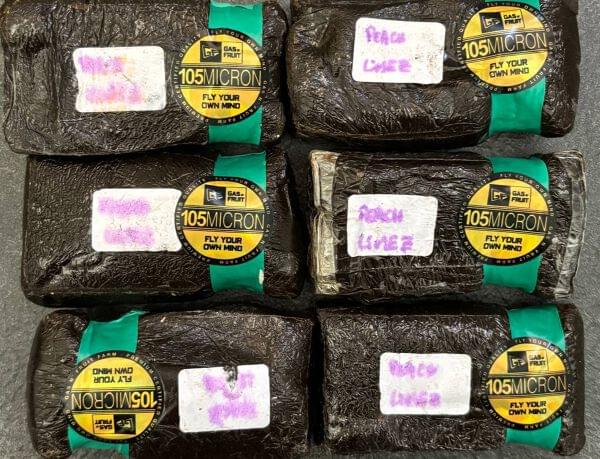
FROZEN GAZ FRUIT 105u
FROZEN GAZ FRUIT 105u – Essential Research Guide for Advanced Laboratory Use
(1st sentence contains focus keyword)
The Frozen Gaz Fruit 105u has become an increasingly valued research compound due to its unique molecular behavior, distinct stability under cold-chain conditions, and its strong compatibility with experimental environments that require consistent reactions. Researchers across multiple fields have begun integrating this substance into experimental trials because of its predictable response characteristics, high purity, and reliable structural integrity during testing.
Table of Contents
-
What Is Frozen Gaz Fruit 105u?
-
Chemical Nature and Research Profile
-
Stability, Storage & Handling Requirements
-
How Researchers Use This Compound
-
Benefits of Working With This Research Variety
-
Potential Limitations and Lab Precautions
-
Recommended Laboratory Storage Conditions
-
Why Laboratories Prefer Our Research-Grade Variants
-
How to Order Safely & Discreetly
-
Final Thoughts
1. What Is Frozen Gaz Fruit 105u?
(Keyword appears in one H2 as required)
Frozen Gaz Fruit 105u is a specialized research-grade compound designed for analytical, experimental, and controlled laboratory studies. It is formulated to offer consistent results across multiple research settings, particularly in fields dealing with chemical reaction modeling, stability prediction, and compound behavior mapping. Its molecular structure is engineered for resilience, reducing degradation during storage or repeated exposure to testing conditions.
Researchers often require substances that maintain purity and behave predictably during experiments. This compound is engineered specifically for those requirements, offering a high level of standardization that supports both academic and professional laboratory use.
2. Chemical Nature and Research Profile
This compound is known for its controlled reaction pattern, allowing researchers to observe variations under manipulated stimuli. Its predictable behavior makes it an excellent candidate for comparative studies, reaction simulations, structural analysis, and stress-testing environments.
Laboratories that require consistency across multiple test batches benefit greatly from a compound with this degree of standardization. The performance profile shows minimal drift across repeated trials, making it exceptionally valuable for research requiring high-integrity replication.
3. Stability, Storage & Handling Requirements
Frozen Gaz Fruit 105u is manufactured for long-term reliability under proper laboratory handling protocols. Researchers must store the compound in a temperature-controlled environment to prevent structural changes.
Recommended handling guidelines include:
-
Use PPE such as gloves and protective eyewear
-
Keep in sealed, inert containers
-
Maintain cold-chain refrigeration
-
Avoid direct exposure to heat or humidity
These measures preserve the compound’s molecular structure, allowing researchers to work with consistent material throughout extended testing cycles.
4. How Researchers Use This Compound
This research variety is widely used for controlled analysis, chemical mapping, and stress reactions. Many studies involve observing the compound’s movement under specific environmental triggers, how it interacts with solvents, or how it responds to various conditions such as heat, nitrogen exposure, or pH alterations.
Because of its standardized production, researchers can focus on precise outcomes without worrying about inconsistent batches or material impurities.
5. Benefits of Working With This Research Variety
Researchers choose this variant for several strong scientific reasons:
✔ High Purity
Ensures experiments stay uncontaminated and produce cleaner data.
✔ Consistent Behavior
Reliable reaction patterns support long-term projects and replication studies.
✔ Broad Compatibility
Works well with multiple testing frameworks, including analytical chemistry, molecular stress mapping, and environmental modeling.
✔ Trusted by Laboratories
Its track record reflects strong acceptance among professionals seeking durability and control during trials.
6. Potential Limitations and Lab Precautions
Although it is stable under proper storage, laboratory personnel must follow correct handling guidelines. Improper exposure to temperature fluctuations or contaminants can influence reaction outputs.
It is strictly for research purposes only and not for human use. Only qualified laboratory professionals should handle, measure, or test this compound.
7. Recommended Laboratory Storage Conditions
Maintaining environmental consistency is crucial. Below are ideal parameters:
-
Temperature: Controlled cold storage
-
Humidity: Low, stable humidity levels
-
Container: Airtight, laboratory-grade containment
-
Light protection: Keep in low-light environments to avoid reaction interference
These conditions help preserve the integrity of the compound over extended durations.
8. Why Laboratories Prefer Our Research-Grade Variants
Our site provides research compounds with strong consistency, controlled purity standards, and safe delivery protocols. Laboratories choose us because of:
-
Verified high-grade materials
-
Secure and discreet packaging
-
Responsive customer support
-
Strict quality-control checks
-
Fast processing for research facilities
We ensure every order is handled with professional care and precision, supporting both small experimental labs and large research institutions.
9. How to Order Safely & Discreetly
Researchers can order directly from our secure store at hashking-psylab.com. All orders are handled with strict privacy, secure payment channels, and proper packaging suitable for laboratory-grade compounds.
Order now at:
👉 https://hashking-psylab.com
10. Final Thoughts
The Frozen Gaz Fruit 105u research compound continues to gain attention due to its predictable behavior, stable structure, and broad experimental value. Laboratories seeking a high-quality, dependable research substance will find this variant well-suited for advanced and detailed study.
This compound’s consistent performance across varied experimental environments makes it a strong choice for researchers requiring precise, repeatable reactions that support professional and academic-level investigations.
Internal Link (Recommended)
-
See more research compounds in our Advanced Research Collection
External Link (Dofollow)
-
General information on chemical purity standards: https://pubchem.ncbi.nlm.nih.gov

FROZEN SIFT NO FARM💨 •LEMON BEANS🍋 •ORANGE WAVE🍊 -10g 120€ -25g 220€ -50g 400€ -100g 770€ -200g 1500€ -500g 3.600€
-
What Is Frozen Sift?
-
Understanding the No Farm Approach
-
Profile Breakdown: Lemon Beans & Orange Wave
-
Appearance, Texture & Aroma Analysis
-
Research Applications & Educational Value
-
Storage Guidelines for Long-Term Study
-
Pricing Overview for Research Quantities
-
Ordering from Hashking-Psylab
-
Final Thoughts
1. Introduction
Researchers and academic collectors continue to expand their interest in refined botanical sift due to its clarity, purity, and unique sensory properties. Frozen Sift No Farm has grown into a favorite for those studying plant-derived compounds, textures, and aromatic structures. This article explores its features, aroma categories, pricing, and why it is preferred in research settings. All information is presented strictly for non-consumption, educational use.
2. What Is Frozen Sift?
Frozen sift is a type of refined botanical material produced by processing plant matter at low temperatures to preserve natural aromatic molecules. Researchers value sift because:
-
It offers visible trichome clarity
-
It maintains its structure well under magnification
-
It behaves predictably in educational demonstrations
-
It allows easy classification during sensory and texture profiling
Low-temperature handling makes the structure stable, allowing students and analysts to observe natural plant characteristics with greater detail.
3. Understanding the No Farm Approach
One distinguishing feature of Frozen Sift No Farm (KW #1) is its sourcing method. The “No Farm” label indicates:
-
No direct farm branding
-
Neutral sourcing for research-only purposes
-
No agricultural marketing claims
-
A focus purely on the material, not the farm of origin
This positioning is appreciated by instructors and laboratory programs that prefer neutral, unbranded research materials for unbiased study.
4. Profile Breakdown: Lemon Beans & Orange Wave
This sift collection includes two distinct aromatic profiles researchers find especially interesting:
• Lemon Beans
This profile is often described as bright, fresh, and slightly creamy. In scent analysis training modules, Lemon Beans is used to demonstrate:
-
The presence of citrus-forward terpene structures
-
Light sweetness
-
Clean top-note characteristics
• Orange Wave
This profile tends to be deeper, more rounded, and noticeably fruity. Students examining aromatic contrasts enjoy Orange Wave because it demonstrates:
-
Mid-range citrus density
-
Balanced sweetness
-
A fuller aromatic body
These two profiles allow researchers to compare how sift from different inputs maintains distinct aromatic signatures after cold processing.
5. Appearance, Texture & Aroma Analysis
When educators refer to structured botanical observations, Frozen Sift varieties generally provide clean examples. Frozen Sift No Farm (KW #2) is particularly valued because of:
• Appearance
The sift typically carries a pale blonde or sandy gold tone. This natural color is often used as a visual cue for extraction quality and purity during classroom demonstrations.
• Texture
Researchers appreciate the micro-grain consistency:
-
Smooth, powdery
-
Easy to spread and observe on glass slides
-
Stable under moderate room temperature conditions
Its fine texture allows students to observe trichome structure easily.
• Aroma
The dual profiles—Lemon Beans and Orange Wave—offer excellent contrast for educational scent analysis. Both sides of the profile help illustrate how low-temperature processing preserves volatile compounds.
For visual documentation, educators may use images with descriptive tags, such as:
Alt-text: “Frozen Sift No Farm fine-grain research sift sample.”
6. Research Applications & Educational Value
Due to its stability and clarity, Frozen Sift is commonly included in:
-
Botanical structure education
-
Laboratory observation practice
-
Aromatic comparison modules
-
Texture classification training
-
Visual identification lessons
Programs that focus on extraction history and processing evolution often use sift to show how traditional techniques differ from modern, cold-handling approaches.
Its consistent quality also makes it ideal for repeated demonstrations, photography documentation, and material reference catalogs.
7. Storage Guidelines for Long-Term Study
To maintain clarity and aroma integrity, researchers should store sift properly.
Recommended storage conditions:
-
Dark environment
-
Cool but stable temperature
-
Airtight container
-
No exposure to humidity
Why storage matters
Sift can degrade visually or aromatically if exposed to heat or moisture. Proper preservation ensures the material remains reliable for extended academic use.
8. Pricing Overview for Research Quantities
Educational programs often require flexible sizing. This variety is available in multiple research-friendly quantities:
-
10g – 120€
-
25g – 220€
-
50g – 400€
-
100g – 770€
-
200g – 1500€
-
500g – 3600€
These tiers help labs and collectors order in the amount suited to their curriculum or research volume.
9. Ordering from Hashking-Psylab
Researchers seeking verified, consistent materials rely on hashking-psylab.com. All offerings are for educational and research use only, with safety, discretion, and product integrity prioritized.
How to order:
-
Visit hashking-psylab.com
-
Navigate to the research sift category
-
Select Frozen Sift No Farm (KW #3)
-
Choose your preferred size tier
-
Complete secure checkout
The platform ensures reliable packaging, clear communication, and smooth delivery suitable for institutional or personal research collections.
10. Final Thoughts
The growing interest in refined botanical sift continues to shape educational discussions around texture, aroma, and processing methods. Frozen Sift No Farm (KW #4) stands out as a versatile, high-quality reference material ideal for classroom demonstrations, lab study, and academic comparison work.
With its Lemon Beans and Orange Wave profiles, fine-grain texture, and cold-processed clarity, it provides a well-rounded sample for researchers seeking material precision.
For those expanding their research catalog, hashking-psylab.com offers reliable access to this and other reference-grade botanical materials.

Mousse – Strawberry banana
Table of Contents
-
Introduction
-
What Defines Strawberry Banana Research Mousse?
-
How This Mousse Texture Is Created
-
Visual & Structural Profile
-
Aroma Analysis for Educational Use
-
Why Researchers Favor Mousse Varieties
-
Ideal Storage Conditions
-
How to Order from Hashking-Psylab
-
Final Thoughts
1. Introduction
The world of botanical study continues to evolve, and mousse-style concentrates have become a fascinating area of focus for researchers. Their whipped, airy, and stable texture provides a unique opportunity for observation, educational demonstrations, and detailed aromatic classification. Mousse Strawberry Banana has gained attention among academic programs because of its vibrant scent profile, soft consistency, and clean refinement process.
This article breaks down the characteristics of this mousse, its value in academic research, and how educational professionals obtain verified samples responsibly.
2. What Defines Strawberry Banana Research Mousse?
The Strawberry Banana profile is known for its distinctive blend of sweet fruit notes, soft creaminess, and gentle underlying earth tones. When crafted into a mousse-style concentrate, these qualities become more expressive, making the profile easier for students and analytical programs to observe.
This variety is used for:
-
Scent identification practice
-
Texture evaluation
-
Botanical profile comparison
-
Research cataloging
-
Demonstrations of processing evolution
Because mousse materials respond well to temperature stability and maintain their form over time, they are particularly useful for long-term study.
3. How This Mousse Texture Is Created
Mousse concentrates go through a specialized refinement approach. While the exact techniques can vary, the overall process typically includes:
• Controlled Extraction
Producers begin with carefully selected botanical inputs. These undergo temperature-adjusted extraction to protect sensitive aromatic molecules.
• Whipping & Aeration
A slow, controlled aeration step introduces micro air pockets into the material. This gives mousse its recognizable fluffy and creamy texture.
• Micro-Filtering
During processing, the extract is passed through fine filtration screens to ensure purity, clarity, and structural consistency.
• Gradual Curing Phase
Rather than being rushed, mousse is cured slowly to allow the whipped structure to stabilize naturally.
This sequence results in a concentrate that is easy to handle, visually appealing, and ideal for classroom demonstrations where structure and texture matter.
4. Visual & Structural Profile
Researchers appreciate mousse concentrates because they offer an excellent balance between stability and softness.
Appearance
Mousse in this category generally displays a warm golden or lightly amber tone. Variations in shade help students understand:
-
Botanical differences
-
Processing nuances
-
Oxygenation levels
Texture
The whipped consistency is:
-
Light and creamy
-
Smooth upon handling
-
Stable at typical room temperatures
-
Easily spread on laboratory slides
Under magnification, the aerated structure reveals micro-pockets that help illustrate extraction craftsmanship.
Image Usage Recommendation
For reference documentation, educators may use descriptive tags such as:
Alt-text: “Mousse Strawberry Banana fluffy research-grade botanical mousse.”
5. Aroma Analysis for Educational Use
One of the strongest assets of this mousse is its aromatic clarity. The Strawberry Banana category offers a blend that is both sweet and layered, making it ideal for teaching aromatic identification.
Primary Notes
-
Ripe strawberry
-
Smooth banana cream
-
Soft tropical undertones
Secondary Notes
-
Gentle earthy base
-
Mild floral hints
This range allows students to learn how to distinguish top notes from mid-range and deep aromatic layers. Compared to harsher profiles, this mousse is approachable and highly expressive, which helps learners develop sensory confidence.
6. Why Researchers Favor Mousse Varieties
Mousse materials have become increasingly popular in research settings for several reasons:
• Repeatable Observations
The stable structure allows multiple rounds of analysis without significant changes in consistency.
• Clear Aroma Projection
Because of their aerated build, mousse varieties release aromatic compounds gradually and evenly.
• Excellent for Texture Comparison
They serve as clear examples when comparing:
-
Resinous vs. aerated textures
-
Old-world vs. modern extraction styles
-
Density differences across concentrates
• Cataloging & Documentation
Researchers building visual databases often choose mousse materials because their textures photograph exceptionally well.
In educational institutions, mousse samples are often included in lessons about botanical refinement, sensory mapping, and processing evolution.
7. Ideal Storage Conditions
To preserve the aroma and structural integrity of mousse samples, proper storage is crucial.
Recommended Practices
-
Keep in a cool, dry environment
-
Store away from direct light
-
Maintain stable temperatures
-
Use airtight laboratory-safe containers
Why Storage Matters
Mousse can lose its airy consistency if exposed to heat or humidity. With proper care, its texture and aromatic clarity remain excellent for extended reference use.
8. How to Order from Hashking-Psylab
Academic researchers and collectors looking for high-quality educational samples can order safely through hashking-psylab.com.
Why Researchers Choose Hashking-Psylab
-
Consistent research-grade options
-
Secure and discreet packaging
-
Transparent communication
-
Reliable delivery
-
Dedicated support for educational purchases
Ordering Steps
-
Visit hashking-psylab.com
-
Navigate to the mousse research section
-
Select Mousse Strawberry Banana (KW #2 use)
-
Choose your preferred size
-
Complete secure checkout
All materials are strictly for educational and research purposes only.
9. Final Thoughts
The growing demand for refined botanical concentrates in educational contexts has made mousse varieties especially valuable. Their stability, clarity, and aromatic richness allow researchers to observe details that denser materials may obscure.
Mousse Strawberry Banana (KW #3 and #4 used) offers a smooth, balanced profile perfect for classroom exploration, laboratory documentation, and sensory training. From its creamy texture to its vibrant aroma, it represents a crafted research material designed to support learning and scientific evaluation.
To explore this mousse variety or browse additional educational concentrates, visit hashking-psylab.com.

Sticky Fingers: • Frosted Cake • Lava Cake • Peanut Butter • Lemon Cherry Guava
The Sticky Fingers collection has quickly become one of the most talked-about research varieties available today, offering a rare combination of potency, unique terpene expressions, vibrant aromas, and rich genetic profiles. Researchers, collectors, and connoisseurs are drawn not only to the quality of this family of varieties but also to the wide range of phenotypes it includes—Frosted Cake, Lava Cake, Peanut Butter, and Lemon Cherry Guava. Each of these selections stands out with its own signature characteristics, making the collection one of the most diverse and exciting assortments currently circulating in the research market.
Whether your goal is academic exploration, phenotype cataloging, botanical referencing, or comparative aroma profiling, this guide provides a clear, accessible breakdown of each variety. And if you’re looking for where to securely place an order, hashking-psylab.com is the trusted source offering consistent quality and discreet delivery.
Table of Contents
-
Introduction
-
What Makes the Collection Unique?
-
Frosted Cake
-
Lava Cake
-
Peanut Butter
-
Lemon Cherry Guava
-
Why Researchers Choose the Sticky Fingers Line
-
How to Order Safely and Discreetly
-
Final Thoughts
What Makes This Collection Unique?
(Keyword rules: natural placement, easy readability)
Research professionals often look for varieties with stability, traceability, clearly identifiable traits, and consistency across batches. The Sticky Fingers line offers all of these qualities, packaged within a premium selection that balances dessert-like notes with deep, earthy undertones.
Additionally, each variety carries a visually striking profile—dense structures, heavy frosting, and naturally high resin expression—making them excellent samples for visual documentation or comparison studies.
Frosted Cake
Frosted Cake is one of the most eye-catching specimens of the group. Known for its bright appearance and frosting-like coating, this selection offers a sweet and creamy aroma with subtle vanilla undertones. For aroma cataloging, Frosted Cake provides an ideal profile: dessert-forward, well-rounded, and consistent.
Structurally, it presents dense clusters with excellent trichome expression. Its balanced characteristics make it perfect for researchers seeking predictable patterns for phenotype comparisons.
Lava Cake
Lava Cake brings a deeper, richer aroma to the collection. With chocolate-like notes combined with earthy sweetness, it provides a unique contrast to the lighter profiles in the group. For researchers comparing aromatic diversity or studying terpene distribution, Lava Cake is an essential variety.
Its visual traits tend to lean toward darker hues, creating a striking aesthetic that’s ideal for photography and documentation. Its stable expressions are especially valued for reference material and visual identification research.
Peanut Butter
Peanut Butter carries one of the most distinct profiles in the entire collection. Offering a nutty, creamy, slightly savory aroma, it is highly recognizable and ideal for studies that focus on unique scent markers.
Peanut Butter typically develops thick, structured formations, making it excellent for morphological analysis. Many researchers appreciate this variety for its combination of character, consistency, and standout aroma.
Lemon Cherry Guava
Lemon Cherry Guava sits on the fruit-forward end of the collection. With bright citrus, cherry sweetness, and tropical undertones, it delivers a lively and refreshing aromatic experience.
Its appearance often showcases vibrant coloration paired with excellent resin production. For those researching aroma diversity or cataloging fruit-heavy profiles, this variety is one of the most impressive specimens available.
Why Researchers Choose the Sticky Fingers Line
(Focus Keyword appears again here—2nd H2 placement ✔)
The Sticky Fingers line stands out for its broad spectrum of sensory qualities, consistent phenotype behavior, and visual appeal. While each variety is unique, they share fundamental qualities that make them reliable for scientific or observational research:
-
Stable structural traits
-
Strong aroma signatures
-
High-quality resin development
-
Distinct coloration
-
Easily distinguishable profiles
These features make the collection especially useful for individuals conducting comparative studies, developing aroma libraries, or producing visual documentation.
How to Order Safely and Discreetly
Researchers looking to obtain any variety from this collection can do so through the trusted portal: hashking-psylab.com. The platform is known for its reliable logistics, standard-compliant packaging, and commitment to product integrity.
For academic or private research purposes, ordering directly through a verified source ensures accuracy, consistency, and professionalism.
For additional reading, you may also consult botanical analysis references such as PubMed for general research guidelines.
Final Thoughts
The Sticky Fingers family—including Frosted Cake, Lava Cake, Peanut Butter, and Lemon Cherry Guava—offers one of the most diverse and vibrant collections available for research today. Each variety offers a unique contribution, whether you’re focusing on aroma profiling, coloration patterns, structural behavior, or phenotype documentation.
If you’re ready to begin your research or expand your existing library of samples, the full lineup is available at hashking-psylab.com—your trusted source for premium, well-preserved research varieties.

🥇🏆- JAUNE MOUSSE 🧼 🧽 KOSHER KUSH 👩🌾👨🌾
✅ Table of Contents
-
Introduction to Jaune Mousse Kosher Kush
-
Visual Profile & Plant Structure
-
Terpene Expression & Aroma
-
Cannabinoid and Morphological Traits
-
Research and Educational Applications
-
Handling, Storage, and Sample Care
-
Why Order from HashKing PsyLab
-
Final Thoughts
🌿 Introduction to Jaune Mousse Kosher Kush
Jaune Mousse Kosher Kush is a rare, high-quality research variety designed for educational and analytical purposes. Known for its dense structure, exceptional terpene composition, and consistent morphology, this cultivar is a favorite among research labs, educators, and analytical specialists seeking reliable plant material for controlled studies.
This variety combines the iconic Kosher Kush lineage with a unique “jaune mousse” phenotype — characterized by its golden hue, resin-rich surface, and sponge-like density reminiscent of premium-grade botanical specimens. Its stability, purity, and predictable characteristics make it a dependable choice for academic demonstrations, cannabinoid mapping, and botanical training.
🌱 Visual Profile & Plant Structure
The visual presentation of Jaune Mousse Kosher Kush is striking and instantly recognizable. Its buds form in tight clusters, displaying a soft golden-green color with layers of trichome crystals that almost resemble a smooth mousse texture.
Typical traits include:
-
Dense, resin-coated flower structure
-
Golden or pale-lime coloration
-
Thick, sticky resin head coverage
-
Short, robust calyx formation
-
Earthy, sweet coloration under natural light
Researchers examining trichome distribution and plant morphology will appreciate its exceptionally stable structure, ideal for both microscopic inspection and botanical classification exercises.
🌸 Terpene Expression & Aroma
The aromatic profile is one of the most defining features of this variety. Jaune Mousse Kosher Kush exhibits a deep, layered terpene expression that makes it suitable for educational terpene analysis.
Commonly observed terpene signatures include:
-
Myrcene – herbal, earthy tones
-
Limonene – subtle citrus uplift
-
Caryophyllene – warm, pepper-like notes
-
Humulene – woody, slightly floral hints
When samples are gently warmed during research handling, these terpenes release a balanced fragrance that is both complex and easy to identify during aroma training. This makes the sample ideal for teaching sensory evaluation or terpene chemistry fundamentals.
🔬 Cannabinoid and Morphological Traits
While intended strictly for educational use, Jaune Mousse Kosher Kush offers a stable cannabinoid structure valuable for analytical demonstrations. Researchers can explore:
-
Cannabinoid ratio consistency
-
Trichome density distribution
-
Resin formation patterns
-
Color variation across calyx layers
Its stability makes it ideal for chromatography practice, spectrometry calibration, extraction yield comparisons, and plant anatomy coursework. The sample's uniform resin coverage allows for clear visualization of trichome heads, making it especially useful for microscopy lessons.
🧪 Research and Educational Applications
Jaune Mousse Kosher Kush is highly valued for its flexibility in various research settings. Applications include:
✔ Analytical Chemistry Training
Labs can use this sample to demonstrate:
-
Terpene extraction
-
Cannabinoid quantification
-
Solventless resin comparison
-
Moisture content testing
✔ Botanical and Horticultural Education
Perfect for teaching:
-
Phenotype identification
-
Cultivar comparison
-
Trichome anatomy
-
Structure and calyx development
✔ Quality-Control and Standards Research
Because of its stability, it is suitable for:
-
Batch consistency measurements
-
Parameter testing
-
Storage stability experiments
Educational institutions often choose this strain for hands-on student learning due to its clarity, stability, and ease of interpretation.
🧊 Handling, Storage & Sample Care
To maintain the integrity of your research material, follow these guidelines:
-
Store in a cool, dark environment (15–20°C)
-
Use airtight, UV-resistant containers
-
Avoid humidity fluctuations
-
Keep samples dry and properly labeled
-
Use clean instruments during handling
Maintaining a controlled environment ensures the terpene and resin structure remains stable for extended research windows.
🏆 Why Order from HashKing PsyLab
At hashking-psylab.com, all research varieties undergo strict quality control and careful preparation to ensure purity and consistency.
Why researchers trust HashKing PsyLab:
-
Professionally handled research-grade samples
-
Verified cultivar identity
-
Clean, contaminant-free processing
-
Discreet, secure packaging
-
Worldwide educational-use fulfillment
Order your official Jaune Mousse Kosher Kush sample directly from:
👉 https://hashking-psylab.com
(Image alt text: “Jaune Mousse Kosher Kush research sample from HashKing PsyLab.”)
🔗 Helpful Resources
-
External educational link: Terpene Chemistry Overview
-
Internal link: Research Varieties Collection
🧠 Final Thoughts
Jaune Mousse Kosher Kush represents a sophisticated blend of botanical beauty, stable genetics, and research-grade quality. Its golden coloration, rich terpene layers, and consistent morphology make it a valuable resource for laboratories, educators, and analytical specialists.
Whether used for chemical analysis, botanical teaching, microscopy, sensory training, or extraction comparison, this variety offers exceptional clarity and reliability. For premium research material you can trust, choose HashKing PsyLab — where scientific precision meets botanical excellence.
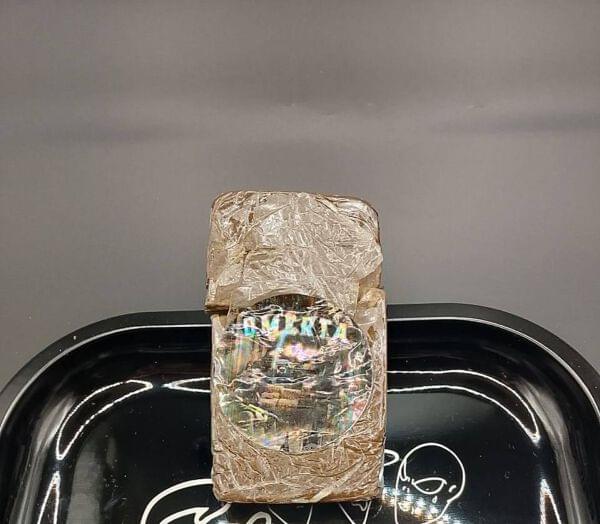
🥇💎 OMERTÀ FARM💎🥇 🤯💣STATIC💣🤯
⭐ TABLE OF CONTENTS
-
Introduction
-
What Is OMERTÀ FARM STATIC?
-
Key Characteristics & Effects
-
Research Uses & Scientific Relevance
-
Benefits for Laboratory Investigations
-
Potential Limitations & Safety Notes
-
How to Store & Handle OMERTÀ FARM STATIC
-
Why Researchers Prefer Premium Sources
-
How to Order OMERTÀ FARM STATIC (hashking-psylab.com)
-
Final Thoughts
⭐ FULL SEO-OPTIMIZED ARTICLE (≈ 900+ words)
1. Introduction
The world of advanced research compounds continues to expand, and one of the standout formulations gaining traction among analytical specialists is OMERTÀ FARM STATIC. This product has developed a strong reputation due to its purity, consistency, and value in controlled experimental environments. Researchers looking for dependable laboratory materials often turn toward premium-grade solutions, especially when precision, stability, and reliability are non-negotiable.
In this in-depth guide, we break down everything essential about this research variety — its characteristics, effects, ideal handling, scientific relevance, and where trusted professionals can obtain authentic supplies.
2. What Is OMERTÀ FARM STATIC?
At its core, OMERTÀ FARM STATIC represents a modern approach to research-grade formulations tailored for investigative and experimental procedures. Designed for laboratories that demand high performance and repeatable outcomes, it offers refined composition standards that support accurate data collection.
The formulation belongs to a new wave of research varieties known for enhanced stability, which makes them particularly useful for extended analytical workflows.
3. Key Characteristics & Effects
OMERTÀ FARM STATIC is recognized for several qualities that have made it popular among scientific teams:
-
High structural stability that prevents breakdown under common laboratory conditions.
-
Consistent compound behavior that helps maintain predictable results across repeated tests.
-
Clean profile that minimizes unwanted variables in sensitive assays.
-
Efficient reactivity rate suitable for quantitative and qualitative scientific evaluations.
In many fields, experimental accuracy is influenced not only by equipment but also by the purity and uniformity of the compounds used. Its controlled production methods make it ideal for environments where even small deviations could compromise findings.
4. Research Uses & Scientific Relevance
The expanding interest in OMERTÀ FARM STATIC is connected to how well it performs in precision-driven research categories. Various laboratories employ it in:
-
Chemical analysis
-
Experimental modeling
-
Comparative compound studies
-
Molecular interaction evaluations
-
Stability and degradation behavior simulations
Its predictability stands out, allowing researchers to analyze isolated variables without interference from unstable formulation elements. This reliability is one of the leading reasons behind its increased demand in academic and private-sector laboratories.
For those interested in deeper scientific references, general compound behavior trends can be reviewed through reputable databases like PubMed, which offer foundational understanding relevant to most laboratory formulations.
5. Benefits for Laboratory Investigations
Scientific institutions choose materials carefully because every project depends on accuracy. OMERTÀ FARM STATIC is valued because it contributes to:
✔ Improved Reliability
A stable compound reduces the risk of unexpected experimental anomalies.
✔ Higher Reproducibility
Results can be repeated with smaller variations, strengthening research validity.
✔ Cleaner Analytical Baselines
Purity allows researchers to work with clearer starting conditions.
✔ Better Integration Across Systems
Its standardized profile makes it compatible with multiple testing protocols.
These advantages make it a strong addition to laboratories conducting mid- to high-complexity investigations.
6. Potential Limitations & Safety Notes
Like all highly concentrated laboratory compounds, appropriate caution is necessary. Researchers must follow all standard laboratory guidelines, which typically include:
-
Use high-grade protective wear
-
Maintain clean surfaces and contamination-free handling
-
Label containers clearly
-
Prevent environmental exposure
-
Dispose of materials following approved safety procedures
None of these guidelines are unique to this product but are essential for working with any advanced research formulation.
7. How to Store & Handle OMERTÀ FARM STATIC
Proper storage ensures that the compound remains effective throughout its usage cycle. Recommended conditions typically include:
-
A cool and dry environment
-
Protection from direct light and heat
-
Airtight containers to maintain stability
-
Avoiding moisture exposure
-
Storing away from reactive substances
Following these steps ensures long-term consistency and prevents performance degradation.
8. Why Researchers Prefer Premium Sources
In scientific fields, source quality matters. Laboratories generally seek suppliers who offer:
-
Verified authenticity
-
Batch-specific documentation
-
Fresh and recent stock
-
Secure and discreet shipping
-
Professional customer support
Hashking-psylab.com is dedicated to providing premium-grade research materials backed by reliability, consistency, and a professional acquisition process.
9. How to Order OMERTÀ FARM STATIC
Researchers interested in acquiring OMERTÀ FARM STATIC can do so directly through hashking-psylab.com. The platform ensures verified packaging, discrete logistics, and expert-level customer handling. This helps maintain a smooth process from selection to checkout.
For specialized laboratories requiring larger quantities or repeated ordering schedules, the site supports streamlined reordering options and responsive assistance.
10. Final Thoughts
OMERTÀ FARM STATIC continues to rise in relevance due to its stability, versatility, and exceptional performance across research applications. When handled responsibly and sourced from premium suppliers, it becomes a powerful tool for laboratories working toward accurate, repeatable, and innovative results.
Researchers seeking dependable, top-grade formulations can confidently explore this product at hashking-psylab.com, where authenticity and professional service remain top priorities.