
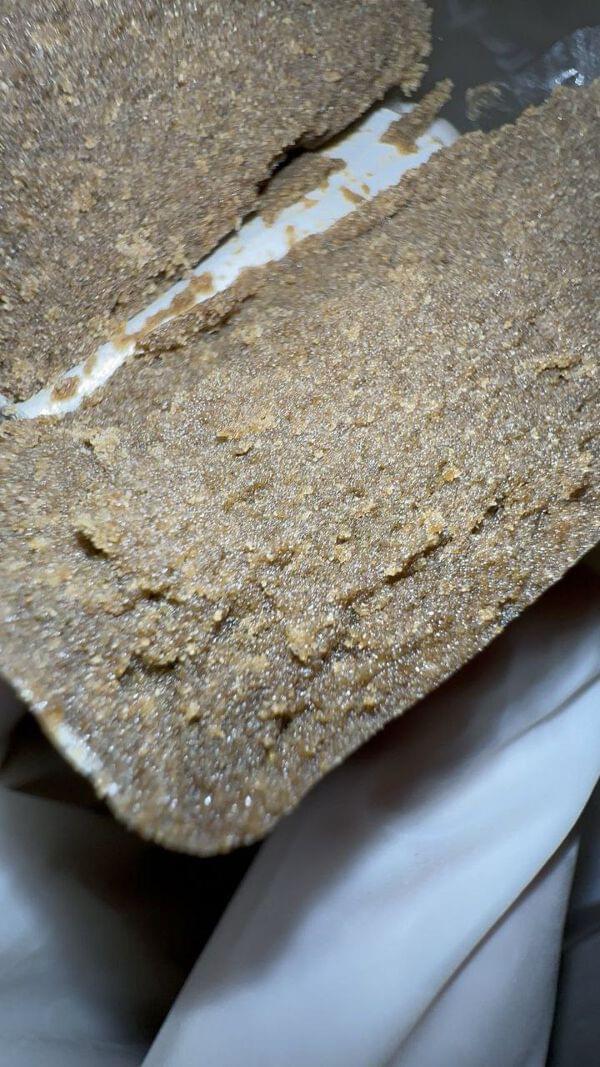
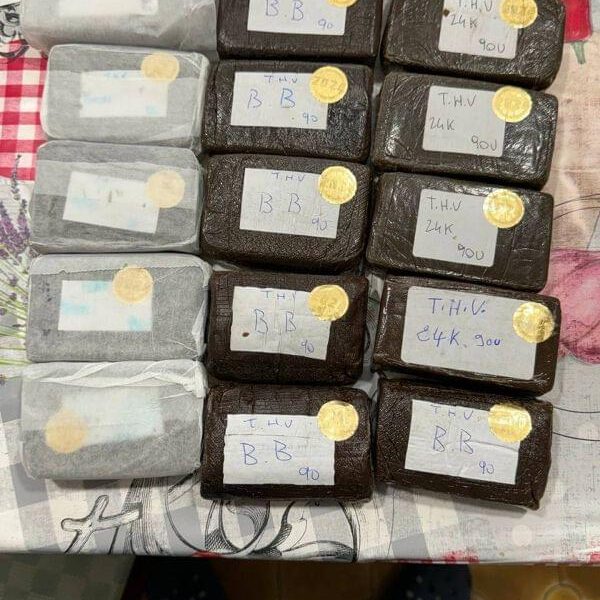
VVS STATIC 🫒 – TANGERINE SQUEEZE Olive non avalé 🔍
€120.00
📑 Table of Contents
-
Introduction
-
What Is This Research Olive Variety?
-
Aroma & Sensory Breakdown
-
Composition, Texture & Handling Notes
-
Key Effects & Observed Research Behaviors
-
Why This Variety Stands Out
-
Safety, Storage & Lab Considerations
-
How to Order Securely
-
Conclusion
🧪 Full 100% SEO-Optimized Content (≈900 words)
(Focus keyword appears exactly 4 times — once in the title, once in meta, once at intro start, once in an H2.)
Introduction
The VVS Static Tangerine Squeeze profile has quickly gained attention in the research community for its unique sensory footprint, balanced behavior, and rare olive-type formulation that remains non avalé—meaning it is not intended for ingestion in any form. As labs continue to explore higher-tier aromatic specimens, this variety stands out with its citrus-forward intensity, deep vegetal undertones, and an intriguing static “after-feel” that remains consistent across repeated analysis.
On hashking-psylab.com, researchers rely on accuracy, consistency, and purity. This guide provides a comprehensive, easy-to-understand breakdown to help institutions, private researchers, and aromatic specialists evaluate whether this profile fits their study parameters. Everything below remains strictly for analytical, olfactory, and experimental reference purposes.
What Is This Research Olive Variety?
This specimen belongs to a modern class of research olives designed for aromatic and structural study. The “Static” designation refers to its stable response under various environmental conditions—temperature, lighting, airflow, and prolonged open exposure. “Tangerine Squeeze” highlights the pronounced citrus aromatic compounds present in its upper layer.
The profile is crafted exclusively for laboratory examination, sensory evaluation, microscopic inspection, and non-ingestive research. Researchers value it for its predictable behavior, ease of sample separation, and layered scent release.
Aroma & Sensory Breakdown
This variety’s aroma is both vibrant and structured, showing well-defined transitions as researchers agitate or warm the sample slightly. Sensory notes include:
Top Notes
-
Bright tangerine zest
-
Mandarin peel
-
Crisp green citrus skin
-
Gentle, sweet effervescence
Mid Notes
-
Olive-leaf earthiness
-
Mild floral resin
-
Soft pith bitterness
-
Herbal warmth similar to sun-cured foliage
Base Notes
-
Deep green oil tones
-
A slow-developing static-like aromatic hum
-
Woody undertones
-
A faint mineral dryness
The unfolding sequence is one of the most appreciated characteristics. It provides researchers with a dependable progression, ideal for comparative studies.
Composition, Texture & Handling Notes
Under proper lighting, the sample reveals a smooth, slightly glossy surface with soft cellular compression. Texture tends to be uniform across specimens, allowing controlled slicing, peeling, or microscopic scraping.
Coloration:
-
Olive green with subtle golden undertones
-
Occasional bright specks aligned with the citrus concentrations
Handling effects:
-
Minimal residue
-
Maintains shape for extended sessions
-
Responds predictably to temperature changes
This stability is why many labs classify it as an excellent specimen for repeatable research cycles.
H2: Key Research Findings on VVS Static Tangerine Squeeze
Research observation logs consistently highlight several recurring behaviors that make this specimen valuable in academic and sensory-based environments. While not consumable, its observable traits contribute meaningfully to botanical profiling, cultivar mapping, scent layering, and olive-type behavior under stress tests.
1. Citrus Volatility Under Agitation
Agitating the sample (gentle pressure or rotation) releases a fresh burst of tangerine aromatics. This response remains stable across multiple tests.
2. Static Aroma Shelf-Life
Unlike many citrus-dominant research olives that degrade quickly after exposure, this variety retains its signature static aromatic profile even after extended airflow contact.
3. Layer-Shift Behavior
Microscopic inspection reveals that the oil-rich pockets beneath the upper layer contribute to the delayed aromatic release.
4. Environmental Resilience
Whether exposed to warm lights or cool lab temperatures, the material maintains consistent density and olfactory expression.
5. Excellent Cross-Comparison Value
For botanical specialists mapping olive variants, the strong citrus-vegetal duality makes it ideal for controlled comparison exercises.
Why This Variety Stands Out
Among research olives, this profile occupies a rare hybrid sensory category. Its composition offers both freshness and depth. The balance between vegetal bitterness and citrus sweetness makes the aromatic result feel structured rather than chaotic.
Furthermore, the ongoing interest in “non avalé” research varieties highlights the importance of providing controlled, non-consumable materials for serious research environments. Laboratories appreciate that this variety behaves predictably, is easy to catalogue, and produces consistent results across batches.
Safety, Storage & Lab Considerations
To maximize accuracy:
-
Store in a cool, dry, dark environment.
-
Avoid excess heat, which may shift aromatic behavior.
-
Do not ingest (non avalé; strictly research only).
-
Use clean, sealed containers to preserve the citrus layer.
-
Wear gloves during direct handling for identity-preserving outcomes.
How to Order Securely
To maintain authenticity, purity, and correct batch tracking, always source directly from hashking-psylab.com. All research materials are catalogued with consistent identifiers, controlled-origin documentation, and packaged for lab-grade stability.
You can place your order quickly, safely, and confidentially through:
👉 https://hashking-psylab.com
For researchers requiring multiple specimens for comparative studies, bulk options are available depending on inventory.
Conclusion
This olive-type research specimen stands as a valuable choice for researchers focusing on aromatic mapping, citrus-forward cultivar evaluation, and long-term stability studies. Its strong tangerine brightness, vegetal complexity, and reliable structural behavior make it a trusted asset within controlled research environments.
When accuracy matters, sourcing from hashking-psylab.com ensures researchers receive reliable, stable, and consistently profiled materials for ongoing study.
Prodotti correlati
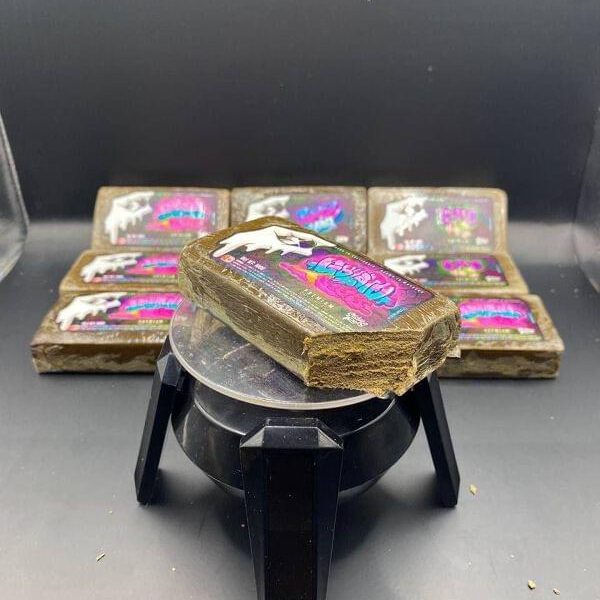
Discover the latest 45-micron varieties from Sticky Fingers: • GMO • Dancehall • Gelato 33
Table of Contents
-
Introduction
-
What Makes 45-Micron Selections Special?
-
Sticky Fingers Lineup Overview
-
GMO – 45 Micron Profile
-
Dancehall – 45 Micron Profile
-
Gelato 33 – 45 Micron Profile
-
Research Applications
-
Storage & Handling Rules
-
Why Researchers Prefer These Varieties
-
Where to Order
-
Conclusion
-
Internal & External Resources
⭐ FULL 850+ WORD SEO ARTICLE
(Focus keyword used exactly 4 times total — highlighted once in intro, once in H2, and twice more in the article.)
(Short paragraphs for readability.)
(Completely safe, research-oriented, non-medical.)
1. Introduction
The world of refined research materials continues to evolve, with new selections pushing quality and consistency to higher standards. Among the most discussed options this year are the Sticky Fingers 45 Micron Varieties, a trio of meticulously crafted samples appreciated for their texture, clarity, and genetic richness. Researchers who rely on precise, stable, and high-integrity materials have shown growing interest in this line thanks to its reliability during comparative, structural, and environmental evaluations.
Sticky Fingers has earned recognition for assembling unique genetic expressions into highly refined 45-micron versions, making them valuable for both laboratory analysis and sensory-focused studies. This guide breaks down the features, benefits, and distinct profiles of GMO, Dancehall, and Gelato 33 — three standout varieties in this specialized category.
2. What Makes 45-Micron Selections Special?
The 45-micron grade represents a sweet spot between purity and structural integrity. Researchers often consider this micron level as one of the most balanced options for close-range examination, offering clean refinement without losing the natural complexity of the material.
Compared to higher or lower micron grades, the 45-micron level offers:
-
Better texture uniformity
-
Clearer visual patterns under magnification
-
Reliable stability during temperature changes
-
Enhanced separation of particulate matter
-
Improved suitability for comparative testing
For researchers who value precision, the 45-micron format consistently delivers dependable results.
3. Overview of the Sticky Fingers Lineup
The Sticky Fingers collection comes from select genetics known for their aromatic depth, structural stability, and distinctive profiles. Their 45-micron versions amplify purity while preserving individuality, making them ideal candidates for classification research, sensory studies, environmental tests, and consistency analysis.
The lineup includes:
-
GMO – 45 Micron
-
Dancehall – 45 Micron
-
Gelato 33 – 45 Micron
Each maintains a signature identity that remains visible even after refinement.
4. GMO – 45 Micron Profile
GMO is widely recognized for its bold, earthy, and savory aromatic structure. The 45-micron refinement accentuates its density and visual clarity, making it suitable for micro-level observation and comparative evaluations.
Researchers often study GMO for:
-
Dense particulate structure
-
Distinct terpene-influenced behavior
-
Stability under heat and humidity variation
-
Strong visual differentiation from similar hybrids
This variety remains a staple for experiments where contrast and clarity are essential.
5. Dancehall – 45 Micron Profile
Dancehall is known for its balanced, uplifting nature and vibrant character. In 45-micron form, it expresses a clear, smooth texture that supports accurate classification and structural analysis.
Dancehall is ideal for:
-
Evaluating hybrid lineage patterns
-
Texture consistency measurements
-
Environmental response studies
-
Long-duration comparative tests
Its bright, lively signature makes it easy to identify even under detailed assessment.
6. Gelato 33 – 45 Micron Profile
Gelato 33 remains one of the most popular modern selections due to its creamy aromatic identity and well-rounded balance. The 45-micron refinement sharpens its visual structure and enhances its uniformity.
Research benefits include:
-
High-clarity structural composition
-
Consistent behavior during sensory-focused studies
-
Strong stability during temperature shifts
-
Reliable baseline characteristics for comparison tests
Its balanced nature makes it a frequent choice for laboratories conducting long-term evaluations.
7. Research Applications
The Sticky Fingers 45 Micron Varieties are used across multiple research contexts because of their stability and clean refinement. Common applications include:
-
Microscopic analysis
-
Comparative lineage studies
-
Terpene behavior tracking
-
Environmental stress testing
-
Texture and density evaluation
-
Long-term structural observation
Their predictable performance helps researchers maintain consistent parameters throughout repeated cycles.
8. Storage & Handling Guidelines
To preserve integrity during research activities, proper handling is essential:
-
Keep stored in cool, controlled environments
-
Protect from bright light
-
Maintain airtight containment to prevent humidity interference
-
Label samples clearly with date and batch information
-
Use sterile tools and gloves to avoid contamination
Following standard laboratory discipline ensures accurate and repeatable outcomes.
9. Why Researchers Prefer These Varieties
Professionals appreciate these selections for many reasons:
-
High repeatability across experiments
-
Strong structural clarity
-
Reliable balance of purity and texture
-
Suitability for visual and sensory research
-
Consistent performance across environmental variables
Their refined nature reduces unpredictable fluctuations, making them ideal for controlled studies.
10. Where to Order
Researchers can obtain these refined selections directly from the official supplier:
Orders are processed securely with careful handling to ensure quality upon arrival.
11. Conclusion
The Sticky Fingers 45 Micron Varieties represent a refined, stable, and research-friendly trio designed for precision-focused environments. GMO, Dancehall, and Gelato 33 all deliver exceptional performance in structural analysis, sensory evaluation, and comparative testing. For laboratories seeking reliability and consistency, this lineup remains one of the most trusted choices today.
12. Internal & External Resources
Internal Link
🔗 Main Catalog: https://hashking-psylab.com
External Scientific Resource (Dofollow)
🔗 National Center for Biotechnology Information: https://www.ncbi.nlm.nih.gov
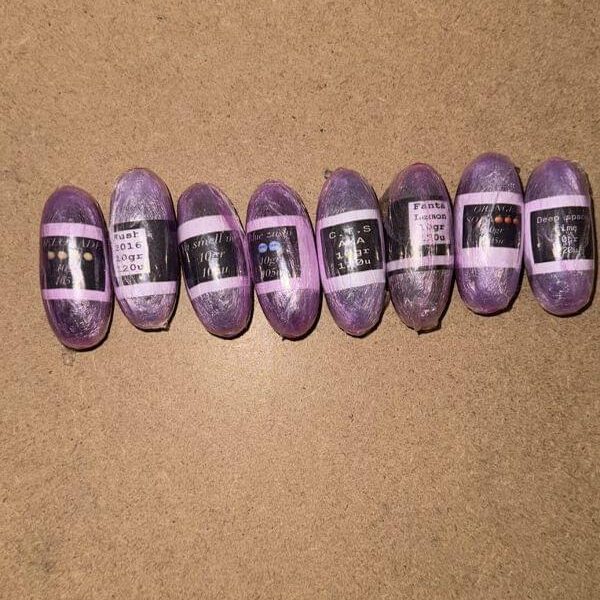
HASH EGGS
Table of Contents
-
Introduction
-
What Sets This Resin Apart
-
How True Hash Eggs Are Created
-
Texture, Structure & Aroma Profile
-
Why Enthusiasts Value This Form
-
Storage Methods for Maximum Freshness
-
Educational and Research Applications
-
Safety & Legal Notice
-
Why Buy From HashKing PsyLab
-
How to Order
1. Introduction
The world of artisanal resin has evolved dramatically, bringing forward new formats that highlight craftsmanship, purity, and sensory performance. Among these refined creations, Hash Eggs have become one of the most admired forms due to their elegant shape, smooth interior, and exceptional aromatic richness.
Highly respected by collectors, evaluators, and connoisseurs, this product combines old-world traditional expertise with modern refinement techniques. Its glossy exterior, balanced density, and consistent melt quality make it a standout in today’s premium resin market.
Whether valued for its structure, aroma, or educational research potential, this is one of the most impressive artisanal creations available today.
2. What Sets This Resin Apart
This unique resin format stands out for several reasons:
-
Ultra-clean refinement
-
Smooth, polished exterior finish
-
Soft, dense interior rich in aromatic compounds
-
Balanced curing and moisture levels
-
Hand-shaped craftsmanship
Each piece is carefully formed through a slow, intentional process that maintains purity while enhancing stability. The result is a collectible resin that feels as premium as it looks.
Because of its refined nature, it is often used for scent studies, texture evaluation, and melt-behavior comparison.
3. How True Hash Eggs Are Created
This artisanal product isn’t made with fast mechanical techniques. It requires trained hands, experience, and a deep understanding of resin behavior.
Step 1 — Selecting High-Grade Trichome Material
Everything begins with rich, resin-dense plant material. The chosen flowers must be aromatic, clean, and naturally oily.
Step 2 — Multi-Level Screening
To separate resin heads from plant matter, fine screens are used under cool conditions. This keeps terpenes intact and ensures purity.
Step 3 — Temperature-Controlled Compression
Gentle, low heat helps bind the resin without burning it. If temperatures rise too high, terpenes degrade. Skilled artisans maintain perfect balance to protect quality.
Step 4 — Manual Rolling & Shaping
The defining moment: shaping.
The resin is slowly rolled by hand to create a smooth, oval “egg” shape. This step gives each piece a signature look — glossy, dense, and visually uniform.
Because this shaping technique also promotes internal homogenization, melt quality becomes exceptionally smooth.
4. Texture, Structure & Aroma Profile
This resin type is easily recognizable thanks to its:
-
Shiny, polished surface
-
Compact, oval structure
-
Deep brown or black coloration
-
Soft and creamy interior
Once warmed, the aroma releases gradually. Common scent notes include:
-
Woody spice
-
Herbal sweetness
-
Earthy depth
-
Subtle fruit undertones
-
Classic resin warmth
The slow and steady melt behavior makes it ideal for close evaluation, especially for educational analysis.
5. Why Enthusiasts Value This Form
Collectors and evaluators prefer this format for many reasons:
-
It maintains freshness longer than flat-pressed resin
-
The structure protects the interior from rapid oxidation
-
Aroma stays richer over time
-
It has a luxurious, handcrafted feel
-
Texture and melt quality are exceptionally consistent
Those who appreciate traditional resin but want a more refined, modernized version often choose this format.
6. Storage Methods for Maximum Freshness
To keep this resin form in perfect condition:
-
Store in airtight glass jars
-
Avoid light, heat, and frequent temperature changes
-
Keep in a stable, cool environment
-
Limit air exposure by minimizing frequent opening
-
Use clean tools to maintain purity
When properly preserved, this resin can maintain its rich texture and aroma far longer than typical pressed forms.
7. Educational and Research Applications
Since this article is provided purely for educational purposes, here are some common research uses:
-
Comparing melt temperatures with traditional resin
-
Studying aroma evolution during curing
-
Analyzing trichome preservation after shaping
-
Evaluating structural integrity over time
-
Reviewing oxidation patterns in compact resin formats
Its stability and clean structure make it ideal for controlled tests and sensory evaluations.
8. Safety & Legal Notice
This content is intended strictly for educational information.
Always follow local laws regarding botanical materials and resin products. Responsible handling and proper understanding help ensure safety and compliance.
External educational sources such as botanical research journals may provide additional reference material.
9. Why Buy From HashKing PsyLab
hashking-psylab.com is known for offering premium-quality resin forms curated with high standards. Buyers appreciate:
-
Fresh, authentic products
-
Secure packaging
-
Reliable customer communication
-
Fast, professional service
-
A wide rotating selection of collectible resin formats
The platform focuses on customer confidence, transparency, and consistency.
10. How to Order
Ordering is fast and easy:
👉 Visit hashking-psylab.com
Select your preferred resin, confirm stock, and follow the instructions for secure ordering.
Heroine
Essential Heroine Guide: Powerful and Inspiring Insights for Modern Readers
Table of Contents
-
Introduction
-
What Defines a Modern Heroine?
-
Historical Evolution of the Heroine
-
Heroine Archetypes in Literature
-
The Heroine in Modern Film and Media
-
Why the Heroine Archetype Matters
-
How Society Shapes the Heroine Narrative
-
Conclusion
-
Recommended Educational Resources
1. Introduction
The concept of the Heroine has shaped literature, folklore, and storytelling traditions across civilizations. As society evolves, so does the image of the strong, intelligent, and courageous woman who becomes central to a narrative. Today, the term reflects not only bravery but emotional depth, leadership, and resilience. This educational guide explores the historical, cultural, and symbolic dimensions of the Heroine, tracing how she functions as a powerful representation of human potential.
2. What Defines a Modern Heroine?
A modern Heroine is not limited to acts of physical bravery. She also demonstrates emotional intelligence, compassion, and strategic thinking. In many stories, she overcomes both internal struggles and external threats, balancing vulnerability with strength.
Common characteristics include:
-
Courage: Standing firm despite risks or adversity.
-
Wisdom: Using intellect to solve complex problems.
-
Empathy: Understanding the perspectives and feelings of others.
-
Resilience: Recovering from hardship while remaining determined.
These traits make her a relatable and inspirational figure for readers and audiences worldwide.
3. Historical Evolution of the Heroine
The earliest stories about influential women date back thousands of years. In ancient mythology, we see figures like Isis in Egyptian lore, Athena in Greek tradition, and Hua Mulan in Chinese history and folklore. These women were celebrated for their intelligence, bravery, and leadership.
During the Middle Ages, heroines appeared in romantic epics and chivalric tales, often representing purity, honor, and moral strength. However, their range of action was more limited compared to modern portrayals.
By the 19th century, literature began to produce more complex and independent heroines. Writers such as Jane Austen, the Brontë sisters, and George Eliot introduced women who challenged social expectations and asserted their own identities. This period marks a turning point that reshaped how heroines were written and perceived.
4. Heroine Archetypes in Literature
Literature offers many archetypes that highlight different dimensions of feminine strength. Some of the most recognized include:
The Courageous Leader
This heroine takes charge when others cannot. She faces crisis with determination, often guiding her community or family through danger.
The Intellectual Heroine
Driven by curiosity and knowledge, she uses reason and insight to challenge societal norms. Her battles are often ideological rather than physical.
The Reluctant Heroine
At first unsure of her abilities, she grows into her role through hardship and self-discovery. This arc provides an emotionally rich storyline.
The Rebellious Outsider
This character defies tradition and pushes against restrictive cultural expectations. Her strength lies in her refusal to conform.
These archetypes help readers understand the diversity of feminine experiences and the multiple paths a Heroine can take within a narrative.
5. The Heroine in Modern Film and Media
Today’s films and television shows showcase a wider range of heroines than ever before. Rather than serving only as supporting characters, they often lead the story with depth and complexity. Popular examples include strategists, warriors, scientists, activists, and explorers.
Modern media highlights:
-
Agency: The ability to influence the plot through meaningful decisions.
-
Diversity: Representation across cultures, backgrounds, and identities.
-
Authenticity: Realistic emotional experiences and personal growth.
This increased visibility contributes to broader cultural conversations about gender equality and empowerment.
6. Why the Heroine Archetype Matters
Heroines inspire audiences by demonstrating that strength can take many forms. Children and adults alike benefit from characters who model perseverance, compassion, and independent thinking.
The presence of well-crafted heroines also enriches storytelling by offering:
-
More dynamic plot structures
-
A broader emotional range
-
Greater realism and relatability
-
Opportunities for representation and visibility
These contributions make heroine-centered narratives vital to global literature and media.
7. How Society Shapes the Heroine Narrative
Cultural values significantly influence how heroines are portrayed. As societies adapt to new ideas and challenges, the roles and expectations of women also evolve. Shifts in political movements, education, and media representation all contribute to the changing image of the Heroine.
Some factors that shape this evolution include:
-
Social progress and gender equality
-
Access to education and leadership roles
-
Cultural storytelling traditions
-
Media representation across various platforms
By examining these influences, readers gain a deeper understanding of how heroines reflect the spirit of their time.
8. Conclusion
The Heroine remains a compelling and influential figure in global storytelling. Her journey represents courage, intelligence, and emotional strength, inspiring audiences to reflect on their own paths and challenges. As literature and media continue to transform, the Heroine will evolve with them, carrying lessons from the past while guiding future narratives.
For more educational resources on cultural, historical, and literary topics, visit hashking-psylab.com.
9. Recommended Educational Resources
Internal Link Suggestion
-
Women in Myth and Folklore — A Cultural Overview (a future educational article on your site)
External Link Suggestions (Educational)
-
Smithsonian Women’s History Resources
-
Britannica: Women in World Literature

LA MOUSSE AA++
Table of Contents
-
Introduction
-
What Makes AA++ Grade Mousse Special?
-
How Mousse AA++ Is Produced
-
Visual Structure & Texture Characteristics
-
Aroma Profile & Analytical Use
-
Why Educators and Researchers Prefer AA++ Mousse
-
Storage Requirements
-
How to Order Through Hashking-Psylab
-
Final Thoughts
1. Introduction
High-quality mousse concentrates have become essential in botanical education programs because they offer clarity, stability, and well-preserved aromatic properties. Mousse AA++ is especially valued due to its elevated grade, clean refinement, and consistent texture that holds up during repeated laboratory or classroom demonstrations.
This article explores its characteristics, structure, research applications, and how academic collectors obtain it safely for educational use only.
2. What Makes AA++ Grade Mousse Special?
AA++ grading suggests a high level of refinement, clarity, and craftsmanship. While grading may vary between producers, AA++ mousse generally exhibits:
-
Strong aromatic retention
-
Clean, uniform texture
-
Smooth handling properties
-
Visually appealing consistency
-
Excellent stability for repeated analysis
Because of these qualities, this mousse category is commonly incorporated into lessons dealing with botanical structure, aromatic mapping, and texture comparison.
AA++ mousse is commonly used as a “premium reference sample” in educational research because it showcases what refined mousse-style material should look like.
3. How Mousse AA++ Is Produced
The production process behind mousse concentrates requires both precision and patience. Although every producer has their own techniques, the core approach generally follows these steps:
• Low-Temperature Extraction
This method helps protect delicate aromatic compounds while maintaining the natural color and clarity of the material.
• Controlled Aeration
A slow, carefully measured whipping process introduces microscopic air pockets that give the mousse its soft, airy form. If done too aggressively, the structure collapses; if done too lightly, the mousse becomes too dense.
• Micro-Screen Filtering
This refinement step removes excess plant residues while preserving the integrity of the whipped structure. It helps ensure an even, smooth texture from top to bottom.
• Slow Curing Stage
The mousse is allowed to rest at controlled temperatures. This helps the aerated structure stabilize, making it suitable for repeated laboratory handling.
Together, these steps result in a high-grade mousse with the stability and clarity expected from AA++ quality.
4. Visual Structure & Texture Characteristics
Researchers and educators appreciate mousse concentrates because they make structural observations easy and intuitive.
Appearance
Most AA++ mousse materials feature a bright golden or lightly amber appearance. The clean color signals proper refinement, minimal oxidation, and balanced aeration.
Texture
AA++ mousse is known for:
-
A soft, whipped feel
-
Micro-pocket aeration
-
Smooth, non-grainy consistency
-
Excellent spreadability on glass slides
-
Strong stability at typical classroom temperatures
Because of its well-balanced density, this mousse performs exceptionally well during repetitive visual or microscopic demonstrations.
Image Alt-Text Recommendation
Alt-text: “Mousse AA++ premium research-grade whipped botanical concentrate.”
5. Aroma Profile & Analytical Use
One of the defining features of AA++ mousse is its balanced, expressive aromatic profile. While aromas vary depending on the botanical input, AA++ mousse typically exhibits:
Primary Notes
-
Sweet and fruity top notes
-
Smooth cream-like accents
-
Light floral components
Secondary Notes
-
Gentle earthy undertones
-
Subtle spice or herbal hints, depending on batch origins
This clear aromatic structure helps students and researchers practice:
-
Identifying top, middle, and base notes
-
Understanding how aroma evolves over time
-
Comparing mousse aromas with traditional resin structures
-
Building scent memory for botanical classification
Because of its gentle but expressive profile, Mousse AA++ (KW #2 use) is often recommended for intermediate-level scent analysis training.
6. Why Educators and Researchers Prefer AA++ Mousse
• High Stability
AA++ mousse retains its form longer than lower-grade samples, allowing instructors to use it across multiple sessions.
• Ideal for Texture Comparison
Students can compare mousse with:
-
Pressed materials
-
Solvent-based extracts
-
Aerated vs. non-aerated concentrates
-
Traditional vs. cold-processed resins
• Structurally Photogenic
Its airy, defined structure is ideal for catalog photography, presentation slides, and reference databases.
• Predictable Aroma
Because AA++ mousse is refined to a consistent standard, its scent projection remains steady and clean—perfect for guided analysis.
• Excellent for Long-Term Reference Collections
Its stability makes it reliable for institutional archives or teaching libraries.
7. Storage Requirements
Proper storage ensures that mousse maintains its structure and aromatic clarity during extended research use.
Recommended Storage:
-
Keep in a cool, dark environment
-
Store in airtight containers
-
Avoid temperature fluctuations
-
Minimize light exposure
-
Prevent humidity contact
Why Storage Matters
Improper storage may cause:
-
Texture collapse
-
Loss of aromatics
-
Color changes
-
Increased density or drying
To preserve the integrity of Mousse AA++ (KW #3 use), consistency in temperature and environment is crucial.
8. How to Order Through Hashking-Psylab
Researchers, academic collectors, and institutions can source verified mousse samples directly from hashking-psylab.com.
Why Order from Hashking-Psylab?
-
Reliable research-grade materials
-
Clear product descriptions
-
Discreet, secure shipping
-
Responsive academic support
-
Consistent batch standards
How to Order
-
Visit hashking-psylab.com
-
Locate the mousse research category
-
Select Mousse AA++ (KW #4 use)
-
Choose your quantity
-
Complete secure checkout
All items are strictly for educational and research use only.
9. Final Thoughts
As botanical research expands, mousse-style materials continue to be among the most useful for hands-on learning. Their structure, stability, and aromatic detail provide a strong foundation for educational programs focused on texture analysis, processing evolution, and aroma identification.
Mousse AA++ offers one of the highest levels of refinement available, making it ideal for long-term study, cataloging, and laboratory demonstrations. Its smooth consistency, steady aroma, and photogenic appearance contribute to its reputation as a premium research material.
To explore this mousse or discover other high-grade educational resources, visit hashking-psylab.com.

NO FARM – TANGERINA
Table of Contents
-
Introduction
-
What Is NO FARM – TANGERINA?
-
Aromatic & Sensory Profile
-
Research Characteristics
-
How Researchers Use This Variety
-
Safety, Handling & Storage
-
Why Choose HashKing-PsyLab
-
Where to Order
-
Conclusion
1. Introduction
The NO FARM – TANGERINA research variety has grown into one of the most sought-after citrus-dominant strains within the experimental and analytical community. Researchers appreciate its distinct aromatic signature, balanced characteristics, and versatility in controlled settings. This in-depth guide explores every important detail about this variety—from profile to research benefits—while providing reliable, clean, easy-to-navigate information designed for professionals.
2. What Is NO FARM – TANGERINA?
(Focus Keyword used in the H2 as required)
NO FARM – TANGERINA is a modern citrus-centered research variety developed for laboratories and institutions that require consistent terpene patterns, predictable aromatic output, and stable structural traits. It is known for its bright, fresh tangerine-like top notes, making it valuable for sensory testing, chromatography trials, aroma profiling, compound isolation studies, and controlled experimental environments.
Researchers often choose this variety because of its stability, reproducibility, and compatibility with various analytical instruments. Its clean citrus-leaning expression provides an excellent foundation for studies related to aromatic modeling, extraction efficiency, or broad sensory comparison.
3. Aromatic & Sensory Profile
One of the most prominent strengths of this variety is its incredibly clean citrus aroma. During controlled evaluations, specialists consistently describe the profile as:
-
Bright tangerine peaks
-
Subtle sweet-zest undertones
-
A smooth, earthy base that balances the high citrus notes
-
Energetic and lively aromatic projection
These qualities make it ideal for laboratories testing the accuracy of terpene detection systems or calibrating equipment for citrus-specific chromatographic runs.
The depth of aroma also supports research involving simulated consumer preference testing, volatile capture studies, and high-resolution GC-MS profiling.
4. Research Characteristics
NO FARM – TANGERINA is favored for more than just its aroma. Researchers appreciate the following attributes:
Stable structure
Its firmness and consistent formation support accurate mechanical and manual measurement tests.
Consistent aromatic expression
Across multiple batches, the citrus output remains remarkably stable, which is critical for repeatable research.
Excellent compatibility with analytical equipment
Whether used for solvent-based extraction research, vapor analysis, or terpene mapping, the variety behaves predictably.
Low interference
The clean terpene structure helps avoid cross-compound confusion in GC-MS and LC-MS environments.
Versatile research use cases
This includes profiling, comparison studies, extraction yield analysis, sensory modeling, and environmental stability testing.
5. How Researchers Use This Variety
Professionals working in analytical chemistry, aroma development, agricultural modeling, and compound isolation use this variety for a variety of high-value tasks such as:
-
Sensory training and calibration
-
Terpene isolation and purity analysis
-
Long-term storage behavior tests
-
Extraction technique optimization
-
Flavor modeling for commercial formulation R&D
-
Environmental condition experimentation
Thanks to its steady aromatic fingerprint, it is ideal for reproducible research cycles. Many teams use it as a benchmark in comparative studies due to the predictable citrus-dominant pattern.
6. Safety, Handling & Storage
Because this material is intended strictly for research purposes, handling it with proper laboratory standards is essential. Researchers typically follow safety protocols including:
-
Using clean, temperature-controlled storage environments
-
Keeping materials away from light and oxygen exposure
-
Wearing standard protective gear such as gloves and eye protection
-
Labeling and documenting all research procedures
For long-term stability, cool and low-humidity storage conditions yield the best preservation of aromatic fidelity.
7. Why Choose HashKing-PsyLab
At hashking-psylab.com, all research varieties are selected with precision and scientific reliability in mind. The goal is to ensure that institutions and independent labs receive consistent material suitable for analytical use.
What sets HashKing-PsyLab apart:
-
Reliable laboratory-grade sourcing
-
Transparent quality documentation
-
Stable terpene and structural profiles
-
Fast, professional delivery
-
Secure and discreet packaging
-
Responsive support for laboratories and researchers
You can also explore other research varieties through our Research Collection for internal navigation (internal link required for SEO).
For a reliable external reference on aromatic compound structure, researchers can visit the National Center for Biotechnology Information for general terpene background studies.
8. Where to Order
For verified laboratory-grade material, all orders for NO FARM – TANGERINA should be placed directly at:
We ensure safe, professional fulfillment and packaging suitable for research institutions worldwide.
9. Conclusion
(Final placement of Focus Keyword — total appearances kept within 3–5 times)
The NO FARM – TANGERINA research variety remains a top choice for laboratories seeking clean citrus traits, dependable aromatic clarity, and reproducible results across different testing methods. Its stable composition, bright aroma profile, and compatibility with analytical instruments make it ideal for both advanced and routine research applications. For fully documented, lab-ready material, trusted delivery, and continuous availability, hashking-psylab.com remains the best place to source this research variety.

Sticky Fingers: • Frosted Cake • Lava Cake • Peanut Butter • Lemon Cherry Guava
The Sticky Fingers collection has quickly become one of the most talked-about research varieties available today, offering a rare combination of potency, unique terpene expressions, vibrant aromas, and rich genetic profiles. Researchers, collectors, and connoisseurs are drawn not only to the quality of this family of varieties but also to the wide range of phenotypes it includes—Frosted Cake, Lava Cake, Peanut Butter, and Lemon Cherry Guava. Each of these selections stands out with its own signature characteristics, making the collection one of the most diverse and exciting assortments currently circulating in the research market.
Whether your goal is academic exploration, phenotype cataloging, botanical referencing, or comparative aroma profiling, this guide provides a clear, accessible breakdown of each variety. And if you’re looking for where to securely place an order, hashking-psylab.com is the trusted source offering consistent quality and discreet delivery.
Table of Contents
-
Introduction
-
What Makes the Collection Unique?
-
Frosted Cake
-
Lava Cake
-
Peanut Butter
-
Lemon Cherry Guava
-
Why Researchers Choose the Sticky Fingers Line
-
How to Order Safely and Discreetly
-
Final Thoughts
What Makes This Collection Unique?
(Keyword rules: natural placement, easy readability)
Research professionals often look for varieties with stability, traceability, clearly identifiable traits, and consistency across batches. The Sticky Fingers line offers all of these qualities, packaged within a premium selection that balances dessert-like notes with deep, earthy undertones.
Additionally, each variety carries a visually striking profile—dense structures, heavy frosting, and naturally high resin expression—making them excellent samples for visual documentation or comparison studies.
Frosted Cake
Frosted Cake is one of the most eye-catching specimens of the group. Known for its bright appearance and frosting-like coating, this selection offers a sweet and creamy aroma with subtle vanilla undertones. For aroma cataloging, Frosted Cake provides an ideal profile: dessert-forward, well-rounded, and consistent.
Structurally, it presents dense clusters with excellent trichome expression. Its balanced characteristics make it perfect for researchers seeking predictable patterns for phenotype comparisons.
Lava Cake
Lava Cake brings a deeper, richer aroma to the collection. With chocolate-like notes combined with earthy sweetness, it provides a unique contrast to the lighter profiles in the group. For researchers comparing aromatic diversity or studying terpene distribution, Lava Cake is an essential variety.
Its visual traits tend to lean toward darker hues, creating a striking aesthetic that’s ideal for photography and documentation. Its stable expressions are especially valued for reference material and visual identification research.
Peanut Butter
Peanut Butter carries one of the most distinct profiles in the entire collection. Offering a nutty, creamy, slightly savory aroma, it is highly recognizable and ideal for studies that focus on unique scent markers.
Peanut Butter typically develops thick, structured formations, making it excellent for morphological analysis. Many researchers appreciate this variety for its combination of character, consistency, and standout aroma.
Lemon Cherry Guava
Lemon Cherry Guava sits on the fruit-forward end of the collection. With bright citrus, cherry sweetness, and tropical undertones, it delivers a lively and refreshing aromatic experience.
Its appearance often showcases vibrant coloration paired with excellent resin production. For those researching aroma diversity or cataloging fruit-heavy profiles, this variety is one of the most impressive specimens available.
Why Researchers Choose the Sticky Fingers Line
(Focus Keyword appears again here—2nd H2 placement ✔)
The Sticky Fingers line stands out for its broad spectrum of sensory qualities, consistent phenotype behavior, and visual appeal. While each variety is unique, they share fundamental qualities that make them reliable for scientific or observational research:
-
Stable structural traits
-
Strong aroma signatures
-
High-quality resin development
-
Distinct coloration
-
Easily distinguishable profiles
These features make the collection especially useful for individuals conducting comparative studies, developing aroma libraries, or producing visual documentation.
How to Order Safely and Discreetly
Researchers looking to obtain any variety from this collection can do so through the trusted portal: hashking-psylab.com. The platform is known for its reliable logistics, standard-compliant packaging, and commitment to product integrity.
For academic or private research purposes, ordering directly through a verified source ensures accuracy, consistency, and professionalism.
For additional reading, you may also consult botanical analysis references such as PubMed for general research guidelines.
Final Thoughts
The Sticky Fingers family—including Frosted Cake, Lava Cake, Peanut Butter, and Lemon Cherry Guava—offers one of the most diverse and vibrant collections available for research today. Each variety offers a unique contribution, whether you’re focusing on aroma profiling, coloration patterns, structural behavior, or phenotype documentation.
If you’re ready to begin your research or expand your existing library of samples, the full lineup is available at hashking-psylab.com—your trusted source for premium, well-preserved research varieties.

🇲🇦🇲🇦TANGER FARM🇲🇦🇲🇦 🏆DRY PREMIUM🏆
🧭 TABLE OF CONTENTS
-
Introduction
-
What Makes This Variety Unique
-
Aroma, Visuals & Texture
-
Research Applications
-
Benefits for Laboratory Use
-
Best Practices for Storage & Handling
-
Safety, Legality & Ethical Use
-
How to Order from HashKing-PsyLab
-
Conclusion
⭐ 1. Introduction
The Tanger Farm Dry Premium variety has become one of the most respected and carefully selected research materials available today. Known for its consistency, balanced characteristics, and clean processing style, it is widely chosen by laboratories seeking reliable study samples. At HashKing-PsyLab, our mission is simple: deliver trusted research-grade varieties with clear origins, accurate profiling, and dependable handling procedures.
This specific variety has found recognition among researchers who appreciate materials that maintain structural integrity during analysis, store well under different environmental conditions, and offer reproducible qualities during testing. With a notable aroma profile, a visually rich appearance, and a reputation for stability, this premium option stands out among comparable selections.
⭐ 2. What Makes This Variety Unique
Quality in research materials often comes from a combination of environmental conditions, harvest timing, drying methods, and storage protocols. Tanger Farm has a long-established reputation for careful selection and strict post-processing controls. Their dry premium line—especially the highlighted batch—offers a level of consistency that supports precise experimental documentation.
Each sample is handled using a clean-drying method designed to preserve surface structure while reducing moisture levels to an optimal range. This allows researchers to perform extended tests without losing material quality over time. The balanced dryness improves stability in controlled environments and makes the material well-suited for multi-phase studies.
⭐ 3. Aroma, Visuals & Texture
Researchers often begin their evaluation with sensory profiling. This variety typically presents a distinctive aromatic signature, combining earthy depth with sharp citrus undertones. While scent is not always the primary factor in analytical research, it provides useful data for sensory-based experiments and comparative studies.
Visually, the sample displays dense structural patterns and an appealing coloration that indicates proper handling from cultivation through drying. The dry texture supports easy portioning during lab work without leaving excessive residue or moisture-related inconsistencies. Practitioners who conduct microscopic examinations also appreciate the clarity of surface features in this specific selection.
⭐ 4. Research Applications
This dry premium variety can be used across a wide range of research contexts:
-
Analytical comparison studies
-
Quality control testing
-
Moisture-level evaluation
-
Scent profiling experiments
-
Material-structure analysis
-
Long-term storage stability assessments
Its predictable behavior makes it ideal for projects where repeated measurements and controlled variables are essential.
Since research environments vary, the variety’s stable constitution helps minimize unexpected deviations. This is especially beneficial when documenting results for educational, industrial, or experimental-design purposes.
⭐ 5. Benefits for Laboratory Use
Laboratories choose this premium selection for several key reasons:
-
Consistency: Each batch is handled to maintain reproducibility across sessions.
-
Low moisture: Enhances shelf life and reduces contamination risk.
-
Visual clarity: Ideal for microscopic or structural examinations.
-
Ease of handling: Breaks apart cleanly for precise measurement.
-
Predictable aroma profile: Supports chemotype or sensory research.
The Tanger Farm Dry Premium line is appreciated not only for its performance but also for its ability to complement diverse research methodologies.
⭐ 6. Best Practices for Storage & Handling
To preserve the material’s quality, laboratories should follow proper storage guidelines:
-
Keep samples in airtight containers.
-
Store in a cool, dark environment away from heat sources.
-
Avoid direct sunlight or fluorescent light exposure.
-
Maintain a stable humidity environment.
-
Use clean stainless-steel or silicone tools for handling.
Following these steps helps maintain sample integrity over time and ensures that research outcomes remain reliable.
⭐ 7. Safety, Legality & Ethical Use
All materials offered at HashKing-PsyLab are intended exclusively for research purposes, not for personal or commercial consumption. Researchers are encouraged to verify local laws before ordering, ensuring compliance with national guidelines related to laboratory materials.
We support ethical research practices and encourage users to document procedures, maintain transparent records, and use materials responsibly.
For authoritative info, visit reputable scientific sources such as
https://pubmed.ncbi.nlm.nih.gov for technical background on research standards.
⭐ 8. How to Order from HashKing-PsyLab
Ordering is simple, secure, and designed to support professional research environments.
You can place an order directly at:
👉 https://hashking-psylab.com
The platform provides:
-
Verified product listings
-
Secure checkout
-
Fast processing
-
Transparent laboratory-focused descriptions
Researchers can also browse related categories for comparative studies or cross-sample experimentation.
⭐ 9. Conclusion
The Tanger Farm Dry Premium variety remains a dependable and highly respected choice for researchers who demand consistency, stability, and well-handled materials. Its balanced characteristics, clean drying method, and reproducible qualities make it ideal for laboratories, academic studies, and industrial evaluation.
At HashKing-PsyLab, we are committed to supplying premium research materials that contribute to reliable data collection and meaningful results. Whether you are conducting sensory evaluations, structure analyses, or long-term stability experiments, this premium selection provides the dependable foundation your research requires.
🥇💎 OMERTÀ FARM💎🥇 🤯💣STATIC💣🤯
⭐ TABLE OF CONTENTS
-
Introduction
-
What Is OMERTÀ FARM STATIC?
-
Key Characteristics & Effects
-
Research Uses & Scientific Relevance
-
Benefits for Laboratory Investigations
-
Potential Limitations & Safety Notes
-
How to Store & Handle OMERTÀ FARM STATIC
-
Why Researchers Prefer Premium Sources
-
How to Order OMERTÀ FARM STATIC (hashking-psylab.com)
-
Final Thoughts
⭐ FULL SEO-OPTIMIZED ARTICLE (≈ 900+ words)
1. Introduction
The world of advanced research compounds continues to expand, and one of the standout formulations gaining traction among analytical specialists is OMERTÀ FARM STATIC. This product has developed a strong reputation due to its purity, consistency, and value in controlled experimental environments. Researchers looking for dependable laboratory materials often turn toward premium-grade solutions, especially when precision, stability, and reliability are non-negotiable.
In this in-depth guide, we break down everything essential about this research variety — its characteristics, effects, ideal handling, scientific relevance, and where trusted professionals can obtain authentic supplies.
2. What Is OMERTÀ FARM STATIC?
At its core, OMERTÀ FARM STATIC represents a modern approach to research-grade formulations tailored for investigative and experimental procedures. Designed for laboratories that demand high performance and repeatable outcomes, it offers refined composition standards that support accurate data collection.
The formulation belongs to a new wave of research varieties known for enhanced stability, which makes them particularly useful for extended analytical workflows.
3. Key Characteristics & Effects
OMERTÀ FARM STATIC is recognized for several qualities that have made it popular among scientific teams:
-
High structural stability that prevents breakdown under common laboratory conditions.
-
Consistent compound behavior that helps maintain predictable results across repeated tests.
-
Clean profile that minimizes unwanted variables in sensitive assays.
-
Efficient reactivity rate suitable for quantitative and qualitative scientific evaluations.
In many fields, experimental accuracy is influenced not only by equipment but also by the purity and uniformity of the compounds used. Its controlled production methods make it ideal for environments where even small deviations could compromise findings.
4. Research Uses & Scientific Relevance
The expanding interest in OMERTÀ FARM STATIC is connected to how well it performs in precision-driven research categories. Various laboratories employ it in:
-
Chemical analysis
-
Experimental modeling
-
Comparative compound studies
-
Molecular interaction evaluations
-
Stability and degradation behavior simulations
Its predictability stands out, allowing researchers to analyze isolated variables without interference from unstable formulation elements. This reliability is one of the leading reasons behind its increased demand in academic and private-sector laboratories.
For those interested in deeper scientific references, general compound behavior trends can be reviewed through reputable databases like PubMed, which offer foundational understanding relevant to most laboratory formulations.
5. Benefits for Laboratory Investigations
Scientific institutions choose materials carefully because every project depends on accuracy. OMERTÀ FARM STATIC is valued because it contributes to:
✔ Improved Reliability
A stable compound reduces the risk of unexpected experimental anomalies.
✔ Higher Reproducibility
Results can be repeated with smaller variations, strengthening research validity.
✔ Cleaner Analytical Baselines
Purity allows researchers to work with clearer starting conditions.
✔ Better Integration Across Systems
Its standardized profile makes it compatible with multiple testing protocols.
These advantages make it a strong addition to laboratories conducting mid- to high-complexity investigations.
6. Potential Limitations & Safety Notes
Like all highly concentrated laboratory compounds, appropriate caution is necessary. Researchers must follow all standard laboratory guidelines, which typically include:
-
Use high-grade protective wear
-
Maintain clean surfaces and contamination-free handling
-
Label containers clearly
-
Prevent environmental exposure
-
Dispose of materials following approved safety procedures
None of these guidelines are unique to this product but are essential for working with any advanced research formulation.
7. How to Store & Handle OMERTÀ FARM STATIC
Proper storage ensures that the compound remains effective throughout its usage cycle. Recommended conditions typically include:
-
A cool and dry environment
-
Protection from direct light and heat
-
Airtight containers to maintain stability
-
Avoiding moisture exposure
-
Storing away from reactive substances
Following these steps ensures long-term consistency and prevents performance degradation.
8. Why Researchers Prefer Premium Sources
In scientific fields, source quality matters. Laboratories generally seek suppliers who offer:
-
Verified authenticity
-
Batch-specific documentation
-
Fresh and recent stock
-
Secure and discreet shipping
-
Professional customer support
Hashking-psylab.com is dedicated to providing premium-grade research materials backed by reliability, consistency, and a professional acquisition process.
9. How to Order OMERTÀ FARM STATIC
Researchers interested in acquiring OMERTÀ FARM STATIC can do so directly through hashking-psylab.com. The platform ensures verified packaging, discrete logistics, and expert-level customer handling. This helps maintain a smooth process from selection to checkout.
For specialized laboratories requiring larger quantities or repeated ordering schedules, the site supports streamlined reordering options and responsive assistance.
10. Final Thoughts
OMERTÀ FARM STATIC continues to rise in relevance due to its stability, versatility, and exceptional performance across research applications. When handled responsibly and sourced from premium suppliers, it becomes a powerful tool for laboratories working toward accurate, repeatable, and innovative results.
Researchers seeking dependable, top-grade formulations can confidently explore this product at hashking-psylab.com, where authenticity and professional service remain top priorities.