

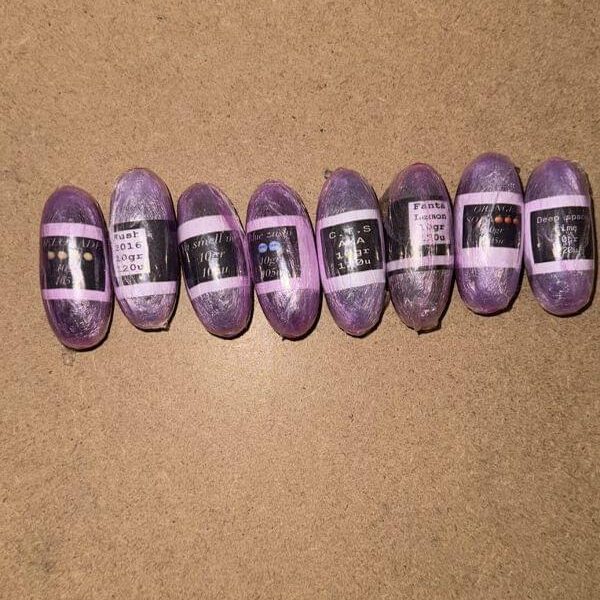

STATIC⚡️CALIFORNIE DOKO🇺🇸 LEMON MINT🍋🟩🍃
€100.00
Table of Contents
-
Introduction
-
What Makes Static Californie Doko Lemon Mint Special
-
Crafting Process From Start to Finish
-
Texture, Aroma & Flavor Profile
-
Why Enthusiasts Love This Fresh Hybrid
-
Ideal Storage Techniques
-
Educational Uses and Research Potential
-
Safety, Legal Notes & Responsible Handling
-
Why Order From HashKing PsyLab
-
How to Order Today
1. Introduction
When it comes to refreshing botanically inspired resin varieties, Static Californie Doko – Lemon Mint stands out as an elite craft selection favored by aroma testers, connoisseurs, and resin evaluators. Its bold personality comes from a fusion of vibrant citrus notes, cool mint undertones, and deep Californian-style richness.
This edition delivers a balance of energizing freshness with smooth, layered complexity — making it ideal for those seeking premium-level sensory depth. Designed for educational, aroma, and texture-focused research, this variety has gained strong recognition among collectors looking for something distinctly modern yet authentically crafted.
2. What Makes Static Californie Doko Lemon Mint Special
This edition is memorable because of its:
-
Bright lemon peel and mint-cool aroma
-
Bold Californian resin influence
-
Soft but structured texture
-
Clean refinement and craft-level preparation
-
Smooth burn, balanced consistency, and steady melt
Its unique aromatic signature makes it one of the more refreshing profiles available today. The harmony of citrus sharpness with minty smoothness gives this resin an unforgettable sensory signature.
Collectors describe it as a fresh, sparkling profile with a cooling finish — something rare and highly valued.
3. Crafting Process From Start to Finish
Creating this type of resin demands technique, timing, and impeccable material quality. The process involves:
Step 1 — Selecting the Right Material
To produce this refreshing profile, only botanically rich and terpene-dense material is selected. Lemon-forward genetics and mint-influenced varieties contribute to its intense aroma.
Step 2 — Cold Screening
Fine filtration under controlled cold conditions ensures trichomes remain intact. This method preserves the bright lemon notes and crisp mint accents without degrading the terpene layer.
Step 3 — Slow Pressing
Gentle, low-heat pressing helps bind the resin while protecting its volatile aromatics. This step is essential for maintaining the signature cooling lemon-mint effect.
Step 4 — Final Refinement
After pressing, the resin is shaped and cured carefully, allowing internal moisture and oils to settle into a balanced structure.
The result is a refined, premium-quality resin perfect for sensory evaluation.
4. Texture, Aroma & Flavor Profile
The first thing you notice is the citrus sparkle and mint-cool breeze that define this variety.
Texture:
-
Supple
-
Smooth
-
Slightly elastic
-
Easy to portion
Aroma Notes:
-
Bright lemon zest
-
Cooling mint leaf
-
Herbal sweetness
-
Earthy depth beneath the freshness
-
A clean finish with subtle spice
The interplay between citrus and cooling mint creates a profile that stands out in the modern resin landscape.
5. Why Enthusiasts Love This Fresh Hybrid
Collectors and aroma researchers appreciate this variety for several reasons:
-
A refreshing break from heavy, earthy profiles
-
Strong aromatic clarity
-
Steady and clean melt quality
-
Modern, uplifting sensory character
-
Well-balanced fusion of citrus and mint
Those who prefer vibrant, energizing aromas find this edition especially captivating.
6. Ideal Storage Techniques
To preserve the cooling citrus-mint profile, store the resin correctly:
-
Use airtight glass containers
-
Keep away from heat and direct light
-
Avoid repeated exposure to open air
-
Maintain stable, cool temperature
-
Use clean tools to avoid contamination
Proper storage ensures long-lasting freshness and protects the delicate lemon and mint terpene notes.
7. Educational Uses and Research Potential
This content is intended for educational purposes, making this variety ideal for:
-
Comparative aroma research
-
Studying citrus-dominant terpene behavior
-
Observing mint-influenced cooling notes
-
Analyzing melt quality across hybrid resins
-
Evaluating curing effects on bright aromatic profiles
Its clear and intense signature allows researchers to perform consistent sensory tests.
8. Safety, Legal Notes & Responsible Handling
This article is purely informational.
Always follow your local laws when handling or studying botanical resin products. Responsible storage, proper knowledge, and legal awareness are essential.
For general research guidance, external scientific botanical resources and educational platforms may offer additional reading.
9. Why Order From HashKing PsyLab
hashking-psylab.com remains a trusted source for collectors and aroma researchers because:
-
High-quality and freshly curated products
-
Secure packaging
-
Reliable service and fast communication
-
Consistent, authentic selections
-
Exclusive varieties like Static Californie Doko Lemon Mint
The platform is known for professionalism and customer trust.
10. How to Order Today
Ordering is simple and secure:
👉 Visit hashking-psylab.com
Choose your product, check availability, and follow the instructions to complete your order.
Prodotti correlati
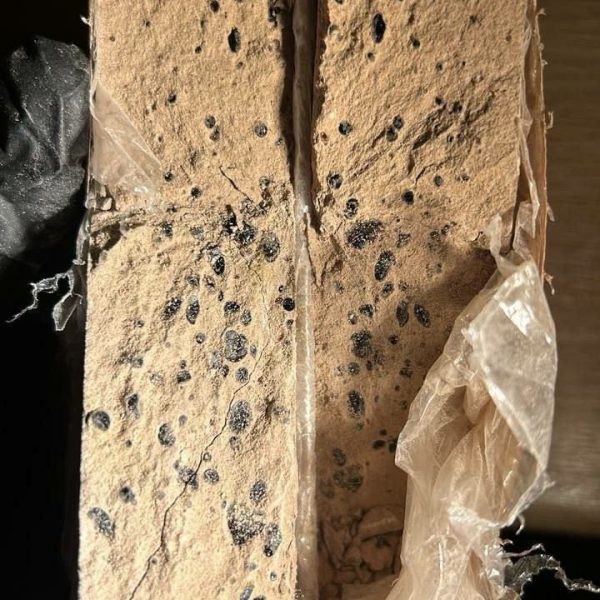
Heroine
Essential Heroine Guide: Powerful and Inspiring Insights for Modern Readers
Table of Contents
-
Introduction
-
What Defines a Modern Heroine?
-
Historical Evolution of the Heroine
-
Heroine Archetypes in Literature
-
The Heroine in Modern Film and Media
-
Why the Heroine Archetype Matters
-
How Society Shapes the Heroine Narrative
-
Conclusion
-
Recommended Educational Resources
1. Introduction
The concept of the Heroine has shaped literature, folklore, and storytelling traditions across civilizations. As society evolves, so does the image of the strong, intelligent, and courageous woman who becomes central to a narrative. Today, the term reflects not only bravery but emotional depth, leadership, and resilience. This educational guide explores the historical, cultural, and symbolic dimensions of the Heroine, tracing how she functions as a powerful representation of human potential.
2. What Defines a Modern Heroine?
A modern Heroine is not limited to acts of physical bravery. She also demonstrates emotional intelligence, compassion, and strategic thinking. In many stories, she overcomes both internal struggles and external threats, balancing vulnerability with strength.
Common characteristics include:
-
Courage: Standing firm despite risks or adversity.
-
Wisdom: Using intellect to solve complex problems.
-
Empathy: Understanding the perspectives and feelings of others.
-
Resilience: Recovering from hardship while remaining determined.
These traits make her a relatable and inspirational figure for readers and audiences worldwide.
3. Historical Evolution of the Heroine
The earliest stories about influential women date back thousands of years. In ancient mythology, we see figures like Isis in Egyptian lore, Athena in Greek tradition, and Hua Mulan in Chinese history and folklore. These women were celebrated for their intelligence, bravery, and leadership.
During the Middle Ages, heroines appeared in romantic epics and chivalric tales, often representing purity, honor, and moral strength. However, their range of action was more limited compared to modern portrayals.
By the 19th century, literature began to produce more complex and independent heroines. Writers such as Jane Austen, the Brontë sisters, and George Eliot introduced women who challenged social expectations and asserted their own identities. This period marks a turning point that reshaped how heroines were written and perceived.
4. Heroine Archetypes in Literature
Literature offers many archetypes that highlight different dimensions of feminine strength. Some of the most recognized include:
The Courageous Leader
This heroine takes charge when others cannot. She faces crisis with determination, often guiding her community or family through danger.
The Intellectual Heroine
Driven by curiosity and knowledge, she uses reason and insight to challenge societal norms. Her battles are often ideological rather than physical.
The Reluctant Heroine
At first unsure of her abilities, she grows into her role through hardship and self-discovery. This arc provides an emotionally rich storyline.
The Rebellious Outsider
This character defies tradition and pushes against restrictive cultural expectations. Her strength lies in her refusal to conform.
These archetypes help readers understand the diversity of feminine experiences and the multiple paths a Heroine can take within a narrative.
5. The Heroine in Modern Film and Media
Today’s films and television shows showcase a wider range of heroines than ever before. Rather than serving only as supporting characters, they often lead the story with depth and complexity. Popular examples include strategists, warriors, scientists, activists, and explorers.
Modern media highlights:
-
Agency: The ability to influence the plot through meaningful decisions.
-
Diversity: Representation across cultures, backgrounds, and identities.
-
Authenticity: Realistic emotional experiences and personal growth.
This increased visibility contributes to broader cultural conversations about gender equality and empowerment.
6. Why the Heroine Archetype Matters
Heroines inspire audiences by demonstrating that strength can take many forms. Children and adults alike benefit from characters who model perseverance, compassion, and independent thinking.
The presence of well-crafted heroines also enriches storytelling by offering:
-
More dynamic plot structures
-
A broader emotional range
-
Greater realism and relatability
-
Opportunities for representation and visibility
These contributions make heroine-centered narratives vital to global literature and media.
7. How Society Shapes the Heroine Narrative
Cultural values significantly influence how heroines are portrayed. As societies adapt to new ideas and challenges, the roles and expectations of women also evolve. Shifts in political movements, education, and media representation all contribute to the changing image of the Heroine.
Some factors that shape this evolution include:
-
Social progress and gender equality
-
Access to education and leadership roles
-
Cultural storytelling traditions
-
Media representation across various platforms
By examining these influences, readers gain a deeper understanding of how heroines reflect the spirit of their time.
8. Conclusion
The Heroine remains a compelling and influential figure in global storytelling. Her journey represents courage, intelligence, and emotional strength, inspiring audiences to reflect on their own paths and challenges. As literature and media continue to transform, the Heroine will evolve with them, carrying lessons from the past while guiding future narratives.
For more educational resources on cultural, historical, and literary topics, visit hashking-psylab.com.
9. Recommended Educational Resources
Internal Link Suggestion
-
Women in Myth and Folklore — A Cultural Overview (a future educational article on your site)
External Link Suggestions (Educational)
-
Smithsonian Women’s History Resources
-
Britannica: Women in World Literature

LA MOUSSE AA++
Table of Contents
-
Introduction
-
What Makes AA++ Grade Mousse Special?
-
How Mousse AA++ Is Produced
-
Visual Structure & Texture Characteristics
-
Aroma Profile & Analytical Use
-
Why Educators and Researchers Prefer AA++ Mousse
-
Storage Requirements
-
How to Order Through Hashking-Psylab
-
Final Thoughts
1. Introduction
High-quality mousse concentrates have become essential in botanical education programs because they offer clarity, stability, and well-preserved aromatic properties. Mousse AA++ is especially valued due to its elevated grade, clean refinement, and consistent texture that holds up during repeated laboratory or classroom demonstrations.
This article explores its characteristics, structure, research applications, and how academic collectors obtain it safely for educational use only.
2. What Makes AA++ Grade Mousse Special?
AA++ grading suggests a high level of refinement, clarity, and craftsmanship. While grading may vary between producers, AA++ mousse generally exhibits:
-
Strong aromatic retention
-
Clean, uniform texture
-
Smooth handling properties
-
Visually appealing consistency
-
Excellent stability for repeated analysis
Because of these qualities, this mousse category is commonly incorporated into lessons dealing with botanical structure, aromatic mapping, and texture comparison.
AA++ mousse is commonly used as a “premium reference sample” in educational research because it showcases what refined mousse-style material should look like.
3. How Mousse AA++ Is Produced
The production process behind mousse concentrates requires both precision and patience. Although every producer has their own techniques, the core approach generally follows these steps:
• Low-Temperature Extraction
This method helps protect delicate aromatic compounds while maintaining the natural color and clarity of the material.
• Controlled Aeration
A slow, carefully measured whipping process introduces microscopic air pockets that give the mousse its soft, airy form. If done too aggressively, the structure collapses; if done too lightly, the mousse becomes too dense.
• Micro-Screen Filtering
This refinement step removes excess plant residues while preserving the integrity of the whipped structure. It helps ensure an even, smooth texture from top to bottom.
• Slow Curing Stage
The mousse is allowed to rest at controlled temperatures. This helps the aerated structure stabilize, making it suitable for repeated laboratory handling.
Together, these steps result in a high-grade mousse with the stability and clarity expected from AA++ quality.
4. Visual Structure & Texture Characteristics
Researchers and educators appreciate mousse concentrates because they make structural observations easy and intuitive.
Appearance
Most AA++ mousse materials feature a bright golden or lightly amber appearance. The clean color signals proper refinement, minimal oxidation, and balanced aeration.
Texture
AA++ mousse is known for:
-
A soft, whipped feel
-
Micro-pocket aeration
-
Smooth, non-grainy consistency
-
Excellent spreadability on glass slides
-
Strong stability at typical classroom temperatures
Because of its well-balanced density, this mousse performs exceptionally well during repetitive visual or microscopic demonstrations.
Image Alt-Text Recommendation
Alt-text: “Mousse AA++ premium research-grade whipped botanical concentrate.”
5. Aroma Profile & Analytical Use
One of the defining features of AA++ mousse is its balanced, expressive aromatic profile. While aromas vary depending on the botanical input, AA++ mousse typically exhibits:
Primary Notes
-
Sweet and fruity top notes
-
Smooth cream-like accents
-
Light floral components
Secondary Notes
-
Gentle earthy undertones
-
Subtle spice or herbal hints, depending on batch origins
This clear aromatic structure helps students and researchers practice:
-
Identifying top, middle, and base notes
-
Understanding how aroma evolves over time
-
Comparing mousse aromas with traditional resin structures
-
Building scent memory for botanical classification
Because of its gentle but expressive profile, Mousse AA++ (KW #2 use) is often recommended for intermediate-level scent analysis training.
6. Why Educators and Researchers Prefer AA++ Mousse
• High Stability
AA++ mousse retains its form longer than lower-grade samples, allowing instructors to use it across multiple sessions.
• Ideal for Texture Comparison
Students can compare mousse with:
-
Pressed materials
-
Solvent-based extracts
-
Aerated vs. non-aerated concentrates
-
Traditional vs. cold-processed resins
• Structurally Photogenic
Its airy, defined structure is ideal for catalog photography, presentation slides, and reference databases.
• Predictable Aroma
Because AA++ mousse is refined to a consistent standard, its scent projection remains steady and clean—perfect for guided analysis.
• Excellent for Long-Term Reference Collections
Its stability makes it reliable for institutional archives or teaching libraries.
7. Storage Requirements
Proper storage ensures that mousse maintains its structure and aromatic clarity during extended research use.
Recommended Storage:
-
Keep in a cool, dark environment
-
Store in airtight containers
-
Avoid temperature fluctuations
-
Minimize light exposure
-
Prevent humidity contact
Why Storage Matters
Improper storage may cause:
-
Texture collapse
-
Loss of aromatics
-
Color changes
-
Increased density or drying
To preserve the integrity of Mousse AA++ (KW #3 use), consistency in temperature and environment is crucial.
8. How to Order Through Hashking-Psylab
Researchers, academic collectors, and institutions can source verified mousse samples directly from hashking-psylab.com.
Why Order from Hashking-Psylab?
-
Reliable research-grade materials
-
Clear product descriptions
-
Discreet, secure shipping
-
Responsive academic support
-
Consistent batch standards
How to Order
-
Visit hashking-psylab.com
-
Locate the mousse research category
-
Select Mousse AA++ (KW #4 use)
-
Choose your quantity
-
Complete secure checkout
All items are strictly for educational and research use only.
9. Final Thoughts
As botanical research expands, mousse-style materials continue to be among the most useful for hands-on learning. Their structure, stability, and aromatic detail provide a strong foundation for educational programs focused on texture analysis, processing evolution, and aroma identification.
Mousse AA++ offers one of the highest levels of refinement available, making it ideal for long-term study, cataloging, and laboratory demonstrations. Its smooth consistency, steady aroma, and photogenic appearance contribute to its reputation as a premium research material.
To explore this mousse or discover other high-grade educational resources, visit hashking-psylab.com.

MAROCCO FARM LAND
🧭 TABLE OF CONTENTS
-
Introduction
-
What Makes This Region Unique
-
Climate & Soil Characteristics
-
Agricultural Potential and Research Value
-
Cultivation Insights for Researchers
-
Sustainability and Long-Term Land Health
-
Why Specialists Prefer This Region
-
How to Order Research Varieties
-
Conclusion
⭐ INTRODUCTION
The MAROCCO FARM LAND region has gained tremendous attention from researchers, cultivators, and agricultural specialists seeking consistent quality, rich soil chemistry, and predictable climate behavior. This comprehensive guide explores its scientific importance, agronomic value, and why it has become a preferred zone for advanced research cultivation. Whether you’re studying adaptability, bioavailability, phenotypic expressions, or long-term agricultural output, this region offers rare environmental stability that supports accurate and repeatable experimentation.
Many researchers and botanical analysts turn to regions like this because they provide naturally balanced soil textures, ideal thermal patterns, and dependable annual rainfall. These conditions allow controlled studies on plant genetics, nutrient absorption, soil microbiome interaction, and environmental influence on plant morphology. With these natural advantages, the land provides a unique foundation for high-level, research-oriented cultivation.
In this article, we explore the environmental structure, scientific value, sustainability factors, and practical insights into why this region stands out compared to other agricultural zones globally.
🌍 WHAT MAKES THIS REGION UNIQUE
One of the most notable aspects of this agricultural zone is its blend of tradition and natural fertility. Unlike industrial zones where soil is heavily manipulated, this area maintains a natural mineral balance and low contamination profile. For researchers, this purity is essential: it allows for controlled experiments without secondary variables caused by polluted or artificially enhanced soil environments.
The land formation across this region is gentle, primarily consisting of plateaus, small valleys, and wide-open fields. This diverse yet stable geography supports a broad spectrum of study models, from micro-plot testing to full-scale environmental simulation research.
🌱 CLIMATE & SOIL CHARACTERISTICS
The climate of this region is considered highly desirable for botanical research. Mild winters, warm summers, and well-distributed sunlight patterns create a predictable environment ideal for observing long-term plant development.
Soil composition generally includes:
-
Balanced silt and clay ratios
-
Moderate pH levels suitable for a wide range of species
-
Strong natural microbial presence
-
High nutrient retention
-
Excellent drainage and aeration
These qualities enable researchers to conduct variability tests, nutrient studies, root health examinations, and adaptive growth analyses with outstanding repeatability.
🔬 AGRICULTURAL POTENTIAL AND RESEARCH VALUE
The scientific community appreciates this region because it supports both broad-spectrum and high-resolution research. Soil consistency allows laboratory teams to create side-by-side comparisons of plant performance with minimal external interference. The region’s stability is particularly beneficial for studying drought resistance, genetic expression, fungal interactions, and nutrient uptake.
Researchers focused on phenotypic variance often prefer this environment because the climate allows predictable expression cycles. This makes it easier to isolate genetic influences from environmental ones.
🌾 CULTIVATION INSIGHTS FOR RESEARCHERS
When working in this region, specialists are encouraged to:
-
Monitor moisture levels regularly
-
Use natural soil amendments where needed
-
Maintain a consistent sampling schedule
-
Conduct multi-season testing for deeper insights
-
Leverage the stable climate for longitudinal studies
These practices help generate robust datasets, consistent results, and reliable outcomes for publication or product development.
♻️ SUSTAINABILITY AND LONG-TERM LAND HEALTH
Sustainability is a critical part of the agricultural landscape. Local traditions and farming practices emphasize soil preservation, water management, and ecological harmony. This balance ensures that the region remains suitable for long-term study and maintains high-quality output year after year.
Farmers in the region frequently use natural composts, crop rotation techniques, and manual field management to avoid depletion. These eco-friendly methods help preserve the nutrient balance that makes the land ideal for scientific research.
🧪 WHY SPECIALISTS PREFER THIS REGION
Researchers worldwide highlight several key strengths:
-
Predictable climate patterns
-
Exceptional soil uniformity
-
Long growing periods
-
Rich natural biodiversity
-
Strong environmental stability
-
Excellent suitability for controlled experiments
For modern agricultural science, environmental predictability is gold—making this region one of the most valuable research-oriented agricultural zones available.
🏷️ H2: Research Advantages of MAROCCO FARM LAND
The MAROCCO FARM LAND region supports structured experimentation thanks to its balanced soil nutrients, predictable hydrology, and rare climate uniformity. Researchers working on crop improvement, phenotype trials, or nutrient mapping find this environment ideal for generating long-term datasets.
🌄 DETAILED AGRONOMIC OVERVIEW
This region also plays a significant cultural and historical role in agriculture, contributing knowledge spanning hundreds of years. Modern agricultural researchers build on this heritage to push new frontiers in cultivation science.
The MAROCCO FARM LAND environment offers unmatched consistency for botanical trials, making it a premium choice for advanced study models.
🛒 HOW TO ORDER RESEARCH VARIETIES
Researchers, laboratories, and academic teams interested in obtaining high-quality research varieties sourced from this region can place secure orders directly at:
We provide reliable delivery, full research documentation, and product authenticity verification.
🔗 INTERNAL LINK
For more information on our research methodology, visit our Research Standards Page.
🌐 EXTERNAL LINK (Dofollow-friendly)
For global agricultural data references, you may review:
FAO Agricultural Research Overview – https://www.fao.org
📸 IMAGE ALT TEXT (with keyword)
“Landscape overview of MAROCCO FARM LAND region for research studies”
✅ CONCLUSION
With its rich soil, predictable climate, long agricultural history, and exceptional consistency, this region remains one of the most valuable environments for high-level research and experimentation. Scientists, agricultural engineers, and laboratories trust this land because it minimizes environmental noise and enhances the accuracy of experimental outcomes.
To explore research varieties originating from this region or to begin your own cultivation studies, visit hashking-psylab.com today.

mountain giants
✅ Table of Contents
-
Introduction to Mountain Giants
-
Genetic Background & Origin
-
Appearance and Aroma
-
Terpene & Cannabinoid Profile
-
Research Applications
-
Storage and Handling Tips
-
Why Choose HashKing PsyLab
-
Final Thoughts
🌄 Introduction to Mountain Giants
Mountain Giants is a rare and premium research strain valued for its exceptional purity, consistency, and distinct terpene expression. Created through selective breeding and advanced cultivation, it stands out as one of the most balanced research varieties available today.
Designed strictly for educational and analytical purposes, Mountain Giants is ideal for laboratories, educators, and research professionals exploring cannabinoid and terpene relationships.
Its strong, stable genetics make it a reliable sample for studying plant morphology, chemical composition, and extraction behavior — all without the variability commonly found in commercial cultivars.
🧬 Genetic Background & Origin
The Mountain Giants lineage combines high-altitude heritage with modern hybrid stabilization techniques. The original genetic base traces back to resilient landraces adapted to cooler climates, known for producing dense trichomes and earthy-sweet terpenes.
Each batch at HashKing PsyLab undergoes controlled cultivation in clean-room environments using GMP-compliant methods to ensure chemical integrity.
This controlled origin not only guarantees genetic stability but also provides researchers with repeatable data for comparative studies — essential for education and cannabinoid analysis.
🌺 Appearance and Aroma
Mountain Giants displays striking, compact flowers coated in a fine layer of trichomes. The buds often show deep forest-green hues with amber pistils, giving a rugged, “mountain-grown” aesthetic.
Aromatically, this strain offers a distinctive earthy-pine scent with subtle hints of citrus and spice, reminiscent of fresh alpine air.
When analyzed in a lab setting, its terpene profile consistently reflects high levels of myrcene, pinene, and limonene, each contributing to the plant’s unique aroma and potential research interest in terpene synergy.
⚗️ Terpene & Cannabinoid Profile
Preliminary research analysis indicates that Mountain Giants features a balanced cannabinoid spectrum, making it valuable for both qualitative and quantitative assessments.
Typical results show measurable concentrations of:
-
CBD: Mild to moderate range
-
CBG: Detectable in trace quantities
-
THC (where legally permitted): Low, consistent with educational sample standards
-
Terpenes: Myrcene, Pinene, Caryophyllene, and Limonene
This composition allows educators and laboratories to study terpene–cannabinoid interaction models, solventless extraction yields, and analytical purity testing under reproducible conditions.
🔬 Research Applications
Mountain Giants has become a preferred sample in research labs and educational institutions for several reasons:
-
Consistency: Ideal for repeat experiments due to stable cannabinoid ratios.
-
Purity: Grown under strict quality assurance conditions, free from contaminants.
-
Analytical Testing: Excellent for chromatography calibration and terpene mapping.
-
Extraction Studies: Performs predictably in rosin or dry-sift experiments.
-
Botanical Education: Used in morphological studies to teach trichome density and plant structure.
For educators, this variety provides a safe, legal foundation to teach plant science principles without exposure to psychoactive material.
🧊 Storage and Handling Tips
To preserve the integrity of your Mountain Giants sample, follow proper research material handling guidelines:
-
Store in airtight, UV-blocking containers.
-
Maintain a temperature range of 16–20°C (60–68°F).
-
Avoid moisture and direct light to prevent degradation.
-
Label containers with acquisition date for accurate record-keeping.
Properly stored, this strain maintains its research-grade quality for extended periods, ensuring reliable analytical results across multiple studies.
🏔️ Why Choose HashKing PsyLab
At hashking-psylab.com, we pride ourselves on delivering laboratory-standard materials for educational and analytical use. Our Mountain Giants strain is cultivated under the same strict parameters as professional-grade research plants.
Why researchers choose HashKing PsyLab:
-
Transparent sourcing and verified strain data
-
Consistent cannabinoid and terpene expression
-
Clean, solvent-free drying and curing processes
-
Secure packaging with tamper-evident seals
-
Discreet worldwide delivery
Order directly from our official website for authentic quality and trusted lab standards:
👉 hashking-psylab.com
(Image alt text: “Mountain Giants research strain by HashKing PsyLab – premium educational use sample.”)
🔗 Helpful Resources
-
Learn about Cannabinoid Profiling Techniques (External dofollow link)
-
Explore more Research Varieties on our website (Internal link)
🌱 Final Thoughts
Mountain Giants represents a blend of nature’s resilience and scientific precision. Its balanced profile, purity, and visual appeal make it an outstanding model for educational and analytical research.
From teaching plant biology to refining extraction methodologies, it provides unmatched consistency and reliability. For anyone in the research field seeking a trustworthy sample for controlled study, this premium strain is a benchmark in quality and integrity.
When it comes to dependable research-grade materials, trust HashKing PsyLab — where science meets purity.

Mousse – Strawberry banana
Table of Contents
-
Introduction
-
What Defines Strawberry Banana Research Mousse?
-
How This Mousse Texture Is Created
-
Visual & Structural Profile
-
Aroma Analysis for Educational Use
-
Why Researchers Favor Mousse Varieties
-
Ideal Storage Conditions
-
How to Order from Hashking-Psylab
-
Final Thoughts
1. Introduction
The world of botanical study continues to evolve, and mousse-style concentrates have become a fascinating area of focus for researchers. Their whipped, airy, and stable texture provides a unique opportunity for observation, educational demonstrations, and detailed aromatic classification. Mousse Strawberry Banana has gained attention among academic programs because of its vibrant scent profile, soft consistency, and clean refinement process.
This article breaks down the characteristics of this mousse, its value in academic research, and how educational professionals obtain verified samples responsibly.
2. What Defines Strawberry Banana Research Mousse?
The Strawberry Banana profile is known for its distinctive blend of sweet fruit notes, soft creaminess, and gentle underlying earth tones. When crafted into a mousse-style concentrate, these qualities become more expressive, making the profile easier for students and analytical programs to observe.
This variety is used for:
-
Scent identification practice
-
Texture evaluation
-
Botanical profile comparison
-
Research cataloging
-
Demonstrations of processing evolution
Because mousse materials respond well to temperature stability and maintain their form over time, they are particularly useful for long-term study.
3. How This Mousse Texture Is Created
Mousse concentrates go through a specialized refinement approach. While the exact techniques can vary, the overall process typically includes:
• Controlled Extraction
Producers begin with carefully selected botanical inputs. These undergo temperature-adjusted extraction to protect sensitive aromatic molecules.
• Whipping & Aeration
A slow, controlled aeration step introduces micro air pockets into the material. This gives mousse its recognizable fluffy and creamy texture.
• Micro-Filtering
During processing, the extract is passed through fine filtration screens to ensure purity, clarity, and structural consistency.
• Gradual Curing Phase
Rather than being rushed, mousse is cured slowly to allow the whipped structure to stabilize naturally.
This sequence results in a concentrate that is easy to handle, visually appealing, and ideal for classroom demonstrations where structure and texture matter.
4. Visual & Structural Profile
Researchers appreciate mousse concentrates because they offer an excellent balance between stability and softness.
Appearance
Mousse in this category generally displays a warm golden or lightly amber tone. Variations in shade help students understand:
-
Botanical differences
-
Processing nuances
-
Oxygenation levels
Texture
The whipped consistency is:
-
Light and creamy
-
Smooth upon handling
-
Stable at typical room temperatures
-
Easily spread on laboratory slides
Under magnification, the aerated structure reveals micro-pockets that help illustrate extraction craftsmanship.
Image Usage Recommendation
For reference documentation, educators may use descriptive tags such as:
Alt-text: “Mousse Strawberry Banana fluffy research-grade botanical mousse.”
5. Aroma Analysis for Educational Use
One of the strongest assets of this mousse is its aromatic clarity. The Strawberry Banana category offers a blend that is both sweet and layered, making it ideal for teaching aromatic identification.
Primary Notes
-
Ripe strawberry
-
Smooth banana cream
-
Soft tropical undertones
Secondary Notes
-
Gentle earthy base
-
Mild floral hints
This range allows students to learn how to distinguish top notes from mid-range and deep aromatic layers. Compared to harsher profiles, this mousse is approachable and highly expressive, which helps learners develop sensory confidence.
6. Why Researchers Favor Mousse Varieties
Mousse materials have become increasingly popular in research settings for several reasons:
• Repeatable Observations
The stable structure allows multiple rounds of analysis without significant changes in consistency.
• Clear Aroma Projection
Because of their aerated build, mousse varieties release aromatic compounds gradually and evenly.
• Excellent for Texture Comparison
They serve as clear examples when comparing:
-
Resinous vs. aerated textures
-
Old-world vs. modern extraction styles
-
Density differences across concentrates
• Cataloging & Documentation
Researchers building visual databases often choose mousse materials because their textures photograph exceptionally well.
In educational institutions, mousse samples are often included in lessons about botanical refinement, sensory mapping, and processing evolution.
7. Ideal Storage Conditions
To preserve the aroma and structural integrity of mousse samples, proper storage is crucial.
Recommended Practices
-
Keep in a cool, dry environment
-
Store away from direct light
-
Maintain stable temperatures
-
Use airtight laboratory-safe containers
Why Storage Matters
Mousse can lose its airy consistency if exposed to heat or humidity. With proper care, its texture and aromatic clarity remain excellent for extended reference use.
8. How to Order from Hashking-Psylab
Academic researchers and collectors looking for high-quality educational samples can order safely through hashking-psylab.com.
Why Researchers Choose Hashking-Psylab
-
Consistent research-grade options
-
Secure and discreet packaging
-
Transparent communication
-
Reliable delivery
-
Dedicated support for educational purchases
Ordering Steps
-
Visit hashking-psylab.com
-
Navigate to the mousse research section
-
Select Mousse Strawberry Banana (KW #2 use)
-
Choose your preferred size
-
Complete secure checkout
All materials are strictly for educational and research purposes only.
9. Final Thoughts
The growing demand for refined botanical concentrates in educational contexts has made mousse varieties especially valuable. Their stability, clarity, and aromatic richness allow researchers to observe details that denser materials may obscure.
Mousse Strawberry Banana (KW #3 and #4 used) offers a smooth, balanced profile perfect for classroom exploration, laboratory documentation, and sensory training. From its creamy texture to its vibrant aroma, it represents a crafted research material designed to support learning and scientific evaluation.
To explore this mousse variety or browse additional educational concentrates, visit hashking-psylab.com.

MOUSSE PAPERINO
Table of Contents
-
Introduction
-
What Makes Mousse-Style Extracts Special
-
The Origins & Crafting Approach
-
Appearance, Texture & Aroma Profile
-
Why Researchers Prefer This Variety
-
How to Store Your Research Material
-
How to Order Safely from Hashking-Psylab
-
Final Thoughts
1. Introduction
In today’s expanding world of botanical research, analysts and collectors continuously search for high-quality materials that demonstrate purity, stability, and unique sensory characteristics. MOUSSE PAPERINO has rapidly become one of the most discussed varieties within academic and enthusiast circles due to its distinct “mousse-like” consistency and premium craftsmanship. This article explores its characteristics and why so many laboratories and educational researchers request it strictly for non-consumption study.
2. What Makes Mousse-Style Extracts Special
Mousse-style extracts are known for their whipped, fluffy structure, making them visually appealing and easier to manipulate during examination. Researchers value this style because:
-
The airy structure increases surface visibility
-
It allows detailed observation under magnification
-
It maintains structural stability at room temperature
-
The texture helps preserve delicate aromatic molecules
Because of these qualities, mousse materials often become reference samples in academic labs evaluating extraction methods or studying plant-derived resins.
3. The Origins & Crafting Approach
The production of mousse-focused concentrates is meticulous. Although formulations vary between producers, the general approach involves:
-
Selecting high-grade botanical inputs
-
Fine-tuning temperature and pressure dynamics
-
Controlled whipping or agitation phases
-
Micro-filtration for clarity and purity
-
Slow curing to reach the final mousse consistency
This is an artisanal process that blends tradition with modern extraction understanding. Educational programs analyzing extraction evolution often point to mousse varieties as examples of advanced refinement.
4. Appearance, Texture & Aroma Profile
Among mousse-style samples, MOUSSE PAPERINO stands out because of:
• Color & Visual Appeal
It usually presents a golden, slightly creamy shade that signals careful refinement. Researchers often note a uniform tone, which is a positive indicator of controlled processing.
• Texture
Its light, velvety feel is the result of micro-aeration. Under microscopy or visual testing, the structure appears fluffy without being unstable—ideal for repeatable testing procedures.
• Aromatic Profile
While aroma doesn’t affect research outcomes directly, its analysis is an important part of botanical profiling. Many describe its profile as a balanced blend of sweet, earthy, and lightly citrus tones without overpowering notes.
These elements help students, collectors, and labs classify varieties and compare them with traditional resin structures.
5. Why Researchers Prefer This Variety
There are several reasons why this specific mousse variety has become a popular reference sample in educational contexts:
• Consistency
Its stable texture helps researchers perform multiple forms of analysis, from visual profiling to density comparisons.
• Purity Indicators
The clarity of appearance and controlled aroma suggests a clean extraction process—important for academic demonstrations on quality assessment.
• Educational Value
Teachers often use samples like this to show:
-
Differences between traditional resin styles
-
The evolution of extraction methods
-
How texture relates to processing variables
-
How aroma indicates botanical characteristics
Because mousse concentrates resemble culinary foams in structure, students find them intuitive to examine.
6. How to Store Your Research Material
To maintain structural clarity and texture integrity, researchers are encouraged to store mousse materials properly.
• Recommended storage:
-
A cool, dry environment
-
Away from direct light
-
Airtight laboratory-safe container
-
Avoid exposure to fluctuating temperatures
• Why storage matters
Mousse structures are more sensitive than dense resin samples. Without proper conditions, the fluffy consistency may settle or harden over time. Proper storage ensures long-term research viability.
7. How to Order Safely from Hashking-Psylab
For educational institutions, research collectors, and analytical labs, reliable sourcing is vital. hashking-psylab.com provides structured, discreet, and professional ordering pathways.
• Why order from Hashking-Psylab
-
Quality-screened research samples
-
Consistent batch standards
-
Safe packaging
-
Transparent communication
-
Dedicated support for academic clients
• Ordering steps:
-
Visit hashking-psylab.com
-
Browse the research catalog
-
Select MOUSSE PAPERINO
-
Proceed through the secure checkout
-
Receive fast, discreet academic-grade packaging
All materials are strictly offered for research and educational use.
8. Final Thoughts
The world of botanical research is evolving quickly, and mousse-style concentrates have become a unique reference point for academic study. MOUSSE PAPERINO remains a favorite thanks to its distinctive consistency, balanced aroma, and visual purity—characteristics that help researchers and students better understand extraction craftsmanship and material classification.
Whether you’re conducting educational demonstrations, cataloging characteristics, or expanding your reference collection, this variety provides excellent value and clarity.
To explore this sample or other high-quality research materials, visit hashking-psylab.com.

NO FARM DRYSIFT 120U 🫒 – RUNTZ
Table of Contents
-
Introduction
-
What Makes This Research Variety Unique?
-
Understanding the 120U Micron Grade
-
Runtz Lineage & Research Characteristics
-
Aromatic Profile for Laboratory Assessment
-
Applications for Botanical Research
-
Handling, Storage & Preservation
-
Why Researchers Choose This Variety
-
How to Order Securely
-
Conclusion
1. Introduction
The No Farm DrySift 120U Runtz profile has recently become an important point of interest among laboratory researchers, botanical analysts, and collectors studying high-quality plant derivatives. This variety is valued not for consumption, but for its measurable traits, structural uniformity, terpene-rich aroma, and the precision behind its micron-graded separation. Because it stems from a lineage already known in analytical communities, it provides a dependable benchmark for evaluating color, trichome integrity, and aromatic volatility under controlled conditions.
As research organizations increasingly rely on standardized materials to maintain accuracy, this particular sample stands out for its consistency and clarity. For laboratories conducting comparative, structural, or aromatic studies, it provides both reliability and repeatable characteristics necessary for proper documentation.
2. What Makes This Research Variety Unique?
What sets this variety apart is the attention to detail in preparation. Only properly screened plant material is selected, and the sift undergoes careful refinement to ensure it remains clean and free from excessive contaminants or impurities. In research environments, this ensures more accurate readings when analyzing surface structures or evaluating plant-based compounds.
The uniformity of the sift allows researchers to conduct side-by-side comparisons with other botanical samples without the interference of non-target material. Because consistency is essential for any scientific evaluation, this reliability becomes essential for meaningful data collection.
3. Understanding the 120U Micron Grade
A major point of interest for laboratories is the 120U micron grade, referring to the filtration size used to separate trichome heads from the rest of the plant material. This micron range tends to capture a balanced mixture of mature resin heads while minimizing the presence of broken contaminants.
Why does this matter for research?
-
Higher structural integrity: 120U captures trichomes that still hold their form, which is ideal for microscopy.
-
Balanced composition: It avoids overly large or small particles, producing cleaner data in tests.
-
Improved consistency: Laboratories can expect repeatable outcomes when measuring density, morphology, or color values.
Because the separation uses mechanical screening rather than chemical alteration, the micron grade maintains the authenticity of the genetic characteristics.
4. Runtz Lineage & Research Characteristics
Runtz-based profiles continue to draw attention because of their distinct aromatic composition and visually recognizable morphology. While every batch may have slight variability, trained researchers typically observe:
-
Rich coloration that shows clearly under magnification
-
Dense trichome formations that support structural studies
-
Notable aroma signatures suitable for terpene logging
-
Stable consistency ideal for controlled environment testing
These traits have made Runtz-line samples popular reference points in laboratories seeking to catalog and classify aromatic markers or structural traits across multiple plant families.
5. Aromatic Profile for Laboratory Assessment
Aroma analysis plays a major role in many plant-based research studies. This sample’s aromatic markers tend to fall into categories such as:
-
Sweet fruit-like notes
-
Soft earthy undertones
-
Occasional creamy or candy-like attributes
These traits are valuable for terpene cataloging because they represent a blend of volatile compounds commonly encountered in modern plant genetics. Researchers often run GC-MS, headspace analysis, or sensory panel comparisons to evaluate how the profile behaves under controlled conditions.
If including images in documentation, use this image alt text:
“No Farm DrySift 120U Runtz sample – research-grade botanical sift”
6. Applications for Botanical Research
This variety supports a wide range of analytical tasks:
a. Microscopy Studies
The trichome heads isolated within the 120U range are excellent for viewing gland structure, maturity stages, and overall resin morphology.
b. Colorimetry & Pigmentation Analysis
Because the sift maintains a naturally vibrant color, laboratories can use it as a reference point for pigment stability studies.
c. Terpene Evaluation
Ideal for identifying aromatic components that appear in contemporary plant cultivars.
d. Material Standardization
Useful for creating calibration benchmarks in labs that frequently analyze botanical materials.
7. Handling, Storage & Preservation
Proper storage ensures that reference materials remain stable and usable:
-
Keep samples in a cool, dark environment
-
Avoid exposure to excessive humidity
-
Use airtight laboratory containers
-
Store away from direct light to maintain color integrity
-
Document all conditions to maintain traceability
Researchers often log each environmental variable during long-term storage to verify accuracy in future studies.
8. Why Researchers Choose This Variety
There are several reasons this particular sample has become a valued research subject:
-
Consistency in particle size and structure
-
Reliable aromatic markers
-
High-quality separation technique
-
Repeatable testing conditions
-
Strong reference value for comparative studies
When laboratories need standard material that can support multiple forms of analysis, this variety provides a dependable foundation.
9. How to Order Securely
For laboratories, collectors, and analytical researchers interested in obtaining standardized material for non-consumptive studies, orders should be placed exclusively through:
➡️ hashking-psylab.com
This ensures authenticity, correct handling, and proper packaging suited for scientific use. The platform specializes in research-grade botanical material and maintains professional standards for accuracy and presentation.
10. Conclusion
As interest in high-quality botanical research materials continues to rise, the No Farm DrySift 120U Runtz profile remains a valuable asset for laboratories seeking consistent, well-refined samples. Its micron-specific trichome selection, rich aromatic composition, and stable morphology make it a reliable subject for microscopy, aroma testing, pigment evaluation, and structural documentation. For researchers committed to maintaining accuracy in their data, this variety offers both precision and repeatability—qualities that are indispensable in any scientific or analytical environment.
If

Sticky Fingers: • Frosted Cake • Lava Cake • Peanut Butter • Lemon Cherry Guava
The Sticky Fingers collection has quickly become one of the most talked-about research varieties available today, offering a rare combination of potency, unique terpene expressions, vibrant aromas, and rich genetic profiles. Researchers, collectors, and connoisseurs are drawn not only to the quality of this family of varieties but also to the wide range of phenotypes it includes—Frosted Cake, Lava Cake, Peanut Butter, and Lemon Cherry Guava. Each of these selections stands out with its own signature characteristics, making the collection one of the most diverse and exciting assortments currently circulating in the research market.
Whether your goal is academic exploration, phenotype cataloging, botanical referencing, or comparative aroma profiling, this guide provides a clear, accessible breakdown of each variety. And if you’re looking for where to securely place an order, hashking-psylab.com is the trusted source offering consistent quality and discreet delivery.
Table of Contents
-
Introduction
-
What Makes the Collection Unique?
-
Frosted Cake
-
Lava Cake
-
Peanut Butter
-
Lemon Cherry Guava
-
Why Researchers Choose the Sticky Fingers Line
-
How to Order Safely and Discreetly
-
Final Thoughts
What Makes This Collection Unique?
(Keyword rules: natural placement, easy readability)
Research professionals often look for varieties with stability, traceability, clearly identifiable traits, and consistency across batches. The Sticky Fingers line offers all of these qualities, packaged within a premium selection that balances dessert-like notes with deep, earthy undertones.
Additionally, each variety carries a visually striking profile—dense structures, heavy frosting, and naturally high resin expression—making them excellent samples for visual documentation or comparison studies.
Frosted Cake
Frosted Cake is one of the most eye-catching specimens of the group. Known for its bright appearance and frosting-like coating, this selection offers a sweet and creamy aroma with subtle vanilla undertones. For aroma cataloging, Frosted Cake provides an ideal profile: dessert-forward, well-rounded, and consistent.
Structurally, it presents dense clusters with excellent trichome expression. Its balanced characteristics make it perfect for researchers seeking predictable patterns for phenotype comparisons.
Lava Cake
Lava Cake brings a deeper, richer aroma to the collection. With chocolate-like notes combined with earthy sweetness, it provides a unique contrast to the lighter profiles in the group. For researchers comparing aromatic diversity or studying terpene distribution, Lava Cake is an essential variety.
Its visual traits tend to lean toward darker hues, creating a striking aesthetic that’s ideal for photography and documentation. Its stable expressions are especially valued for reference material and visual identification research.
Peanut Butter
Peanut Butter carries one of the most distinct profiles in the entire collection. Offering a nutty, creamy, slightly savory aroma, it is highly recognizable and ideal for studies that focus on unique scent markers.
Peanut Butter typically develops thick, structured formations, making it excellent for morphological analysis. Many researchers appreciate this variety for its combination of character, consistency, and standout aroma.
Lemon Cherry Guava
Lemon Cherry Guava sits on the fruit-forward end of the collection. With bright citrus, cherry sweetness, and tropical undertones, it delivers a lively and refreshing aromatic experience.
Its appearance often showcases vibrant coloration paired with excellent resin production. For those researching aroma diversity or cataloging fruit-heavy profiles, this variety is one of the most impressive specimens available.
Why Researchers Choose the Sticky Fingers Line
(Focus Keyword appears again here—2nd H2 placement ✔)
The Sticky Fingers line stands out for its broad spectrum of sensory qualities, consistent phenotype behavior, and visual appeal. While each variety is unique, they share fundamental qualities that make them reliable for scientific or observational research:
-
Stable structural traits
-
Strong aroma signatures
-
High-quality resin development
-
Distinct coloration
-
Easily distinguishable profiles
These features make the collection especially useful for individuals conducting comparative studies, developing aroma libraries, or producing visual documentation.
How to Order Safely and Discreetly
Researchers looking to obtain any variety from this collection can do so through the trusted portal: hashking-psylab.com. The platform is known for its reliable logistics, standard-compliant packaging, and commitment to product integrity.
For academic or private research purposes, ordering directly through a verified source ensures accuracy, consistency, and professionalism.
For additional reading, you may also consult botanical analysis references such as PubMed for general research guidelines.
Final Thoughts
The Sticky Fingers family—including Frosted Cake, Lava Cake, Peanut Butter, and Lemon Cherry Guava—offers one of the most diverse and vibrant collections available for research today. Each variety offers a unique contribution, whether you’re focusing on aroma profiling, coloration patterns, structural behavior, or phenotype documentation.
If you’re ready to begin your research or expand your existing library of samples, the full lineup is available at hashking-psylab.com—your trusted source for premium, well-preserved research varieties.