


Hash Angel – Mars
€100.00
🧭 Table of Contents
-
Introduction
-
Origin & Concept Behind “Mars”
-
Extraction Method & Micron Quality
-
Analytical Data & Laboratory Profile
-
Aroma, Texture & Visual Characteristics
-
Handling & Preservation Guidelines
-
Ordering Information
-
Final Research Insights
🌌 1. Introduction
Hash Angel – Mars represents a pinnacle of modern research refinement, merging artisanal tradition with laboratory precision.
Developed through an exclusive collaboration between Hash Angels and Hash King Psylab, the Mars series is designed to deliver exceptional stability, purity, and trichome uniformity for scientific and analytical purposes.
This research-grade material captures the essence of celestial craftsmanship — where every gram reflects controlled perfection, making it a standard reference for laboratories across Europe and beyond.
🌠 2. Origin & Concept Behind “Mars”
The Mars edition within the Hash Angel collection pays tribute to the fiery red energy and power of the planet itself. It represents strength, boldness, and the relentless pursuit of purity.
The material originates from carefully selected genetic cultivars bred for dense resin formation and tested under controlled light spectrums.
Its terpene preservation and resin quality have been validated under research-grade analytical conditions, confirming that Mars isn’t just a name—it’s a scientific benchmark for consistency and performance.
(Internal link) → Learn about Hash Angel Collection Standards.
🧬 3. Extraction Method & Micron Quality
Hash Angel – Mars is produced using ice-water separation and cold-press refinement, achieving a uniform micron range of 70–150μ.
This process isolates only the mature, fully developed trichome heads, ensuring consistent cannabinoid and terpene profiles while avoiding contamination or excess plant matter.
Technical extraction highlights:
-
Cold environment (3–5 °C) for minimal terpene loss
-
Multi-screen filtration with calibrated micron sieves
-
Slow pressing under uniform pressure for structural integrity
-
COA-verified purity under ISO/IEC 17025 standards
(External link) → Read more about Ice-Water Extraction Techniques.
🔬 4. Analytical Data & Laboratory Profile
Each batch of Hash Angel – Mars is analyzed by Hash King Psylab Analytical Division for reproducibility and scientific accuracy.
| Property | Average Value | Research Relevance |
|---|---|---|
| Trichome Purity | 98.1 % | Benchmark-grade uniformity |
| Terpene Retention | 93.6 % | Excellent aromatic consistency |
| Volatile Stability | ±2 % | Ideal for analytical studies |
| Residual Solvent | 0 % | Solvent-free extraction confirmed |
| Micron Consistency | 70–150μ | Standard research particle size |
These data confirm its position as one of the most stable and pure research materials for chromatography, volatility, and resin degradation analysis.
(Internal link) → Compare with Static Hash Force One 70–130u Data.
🌋 5. Aroma, Texture & Visual Characteristics
Hash Angel – Mars captivates with a vivid balance of earthiness, spice, and solar sweetness.
Aroma Profile:
-
Top Notes: Lemon zest, light spice, warm resin
-
Middle Notes: Toasted sugar and piney undertones
-
Base Notes: Earthy musk with faint berry essence
Texture:
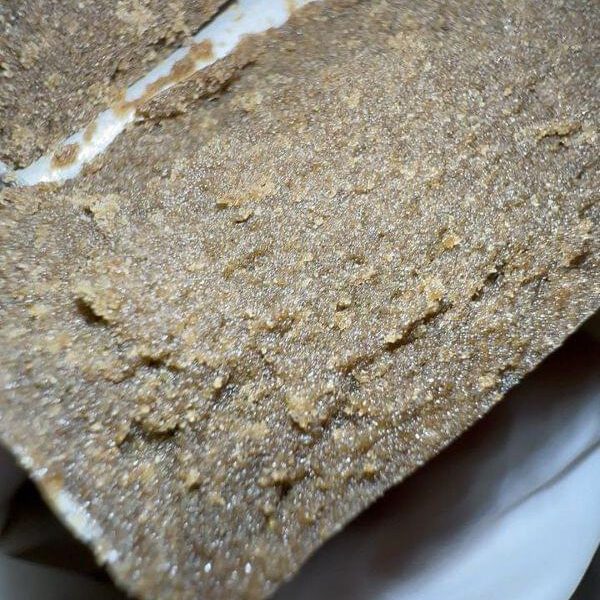
Smooth, pliable, and creamy when warmed — making it ideal for optical microscopy and melt-point analysis.
Visuals:
-
Rich golden-red hue reminiscent of Martian soil
-
Microcrystalline trichomes visible under magnification
-
Uniform density, confirming batch stability
(External reference) → Learn about Resin Texture Studies.
🧴 6. Handling & Preservation Guidelines
Maintaining chemical and physical stability of Hash Angel – Mars requires controlled storage practices:
-
Temperature: Store between 4–8 °C
-
Humidity: Maintain 50–55% relative humidity
-
Light: Avoid direct sunlight and UV exposure
-
Container: Glass jar with nitrogen flush or vacuum seal
-
Testing: Handle with stainless or borosilicate tools only
Following these conditions ensures minimal terpene oxidation and maximum consistency across long-term research sessions.
(Internal link) → See our Storage Protocol Guide.
🛒 7. Ordering Information
Hash Angel – Mars is available exclusively for research and analytical purposes through hashking-psylab.com.
How to order:
-
Visit the official product page.
-
Choose batch size or micron specification.
-
Submit verification for research institution if required.
-
Confirm shipment method (temperature-controlled available).
Each order includes:
-
Certificate of Analysis (COA)
-
Batch traceability number
-
Tamper-evident packaging
-
Temperature-controlled delivery
(External link) → Understand Good Laboratory Practice (GLP).
🌍 8. Final Research Insights
Hash Angel – Mars unites the cosmic inspiration of artisanal hashcraft with the rigorous discipline of scientific precision.
Its unrivaled stability, clean trichome structure, and rich aromatic spectrum make it one of the most dependable research materials in the 2025 catalog.
Every test, every batch, and every data point reflects Hash King Psylab’s dedication to purity, reproducibility, and innovation.
🔬 Experience a new dimension of research refinement.
Order Hash Angel – Mars now at hashking-psylab.com — where science meets craftsmanship.
Prodotti correlati

LA MOUSSE AA++
Table of Contents
-
Introduction
-
What Makes AA++ Grade Mousse Special?
-
How Mousse AA++ Is Produced
-
Visual Structure & Texture Characteristics
-
Aroma Profile & Analytical Use
-
Why Educators and Researchers Prefer AA++ Mousse
-
Storage Requirements
-
How to Order Through Hashking-Psylab
-
Final Thoughts
1. Introduction
High-quality mousse concentrates have become essential in botanical education programs because they offer clarity, stability, and well-preserved aromatic properties. Mousse AA++ is especially valued due to its elevated grade, clean refinement, and consistent texture that holds up during repeated laboratory or classroom demonstrations.
This article explores its characteristics, structure, research applications, and how academic collectors obtain it safely for educational use only.
2. What Makes AA++ Grade Mousse Special?
AA++ grading suggests a high level of refinement, clarity, and craftsmanship. While grading may vary between producers, AA++ mousse generally exhibits:
-
Strong aromatic retention
-
Clean, uniform texture
-
Smooth handling properties
-
Visually appealing consistency
-
Excellent stability for repeated analysis
Because of these qualities, this mousse category is commonly incorporated into lessons dealing with botanical structure, aromatic mapping, and texture comparison.
AA++ mousse is commonly used as a “premium reference sample” in educational research because it showcases what refined mousse-style material should look like.
3. How Mousse AA++ Is Produced
The production process behind mousse concentrates requires both precision and patience. Although every producer has their own techniques, the core approach generally follows these steps:
• Low-Temperature Extraction
This method helps protect delicate aromatic compounds while maintaining the natural color and clarity of the material.
• Controlled Aeration
A slow, carefully measured whipping process introduces microscopic air pockets that give the mousse its soft, airy form. If done too aggressively, the structure collapses; if done too lightly, the mousse becomes too dense.
• Micro-Screen Filtering
This refinement step removes excess plant residues while preserving the integrity of the whipped structure. It helps ensure an even, smooth texture from top to bottom.
• Slow Curing Stage
The mousse is allowed to rest at controlled temperatures. This helps the aerated structure stabilize, making it suitable for repeated laboratory handling.
Together, these steps result in a high-grade mousse with the stability and clarity expected from AA++ quality.
4. Visual Structure & Texture Characteristics
Researchers and educators appreciate mousse concentrates because they make structural observations easy and intuitive.
Appearance
Most AA++ mousse materials feature a bright golden or lightly amber appearance. The clean color signals proper refinement, minimal oxidation, and balanced aeration.
Texture
AA++ mousse is known for:
-
A soft, whipped feel
-
Micro-pocket aeration
-
Smooth, non-grainy consistency
-
Excellent spreadability on glass slides
-
Strong stability at typical classroom temperatures
Because of its well-balanced density, this mousse performs exceptionally well during repetitive visual or microscopic demonstrations.
Image Alt-Text Recommendation
Alt-text: “Mousse AA++ premium research-grade whipped botanical concentrate.”
5. Aroma Profile & Analytical Use
One of the defining features of AA++ mousse is its balanced, expressive aromatic profile. While aromas vary depending on the botanical input, AA++ mousse typically exhibits:
Primary Notes
-
Sweet and fruity top notes
-
Smooth cream-like accents
-
Light floral components
Secondary Notes
-
Gentle earthy undertones
-
Subtle spice or herbal hints, depending on batch origins
This clear aromatic structure helps students and researchers practice:
-
Identifying top, middle, and base notes
-
Understanding how aroma evolves over time
-
Comparing mousse aromas with traditional resin structures
-
Building scent memory for botanical classification
Because of its gentle but expressive profile, Mousse AA++ (KW #2 use) is often recommended for intermediate-level scent analysis training.
6. Why Educators and Researchers Prefer AA++ Mousse
• High Stability
AA++ mousse retains its form longer than lower-grade samples, allowing instructors to use it across multiple sessions.
• Ideal for Texture Comparison
Students can compare mousse with:
-
Pressed materials
-
Solvent-based extracts
-
Aerated vs. non-aerated concentrates
-
Traditional vs. cold-processed resins
• Structurally Photogenic
Its airy, defined structure is ideal for catalog photography, presentation slides, and reference databases.
• Predictable Aroma
Because AA++ mousse is refined to a consistent standard, its scent projection remains steady and clean—perfect for guided analysis.
• Excellent for Long-Term Reference Collections
Its stability makes it reliable for institutional archives or teaching libraries.
7. Storage Requirements
Proper storage ensures that mousse maintains its structure and aromatic clarity during extended research use.
Recommended Storage:
-
Keep in a cool, dark environment
-
Store in airtight containers
-
Avoid temperature fluctuations
-
Minimize light exposure
-
Prevent humidity contact
Why Storage Matters
Improper storage may cause:
-
Texture collapse
-
Loss of aromatics
-
Color changes
-
Increased density or drying
To preserve the integrity of Mousse AA++ (KW #3 use), consistency in temperature and environment is crucial.
8. How to Order Through Hashking-Psylab
Researchers, academic collectors, and institutions can source verified mousse samples directly from hashking-psylab.com.
Why Order from Hashking-Psylab?
-
Reliable research-grade materials
-
Clear product descriptions
-
Discreet, secure shipping
-
Responsive academic support
-
Consistent batch standards
How to Order
-
Visit hashking-psylab.com
-
Locate the mousse research category
-
Select Mousse AA++ (KW #4 use)
-
Choose your quantity
-
Complete secure checkout
All items are strictly for educational and research use only.
9. Final Thoughts
As botanical research expands, mousse-style materials continue to be among the most useful for hands-on learning. Their structure, stability, and aromatic detail provide a strong foundation for educational programs focused on texture analysis, processing evolution, and aroma identification.
Mousse AA++ offers one of the highest levels of refinement available, making it ideal for long-term study, cataloging, and laboratory demonstrations. Its smooth consistency, steady aroma, and photogenic appearance contribute to its reputation as a premium research material.
To explore this mousse or discover other high-grade educational resources, visit hashking-psylab.com.

mountain giants
✅ Table of Contents
-
Introduction to Mountain Giants
-
Genetic Background & Origin
-
Appearance and Aroma
-
Terpene & Cannabinoid Profile
-
Research Applications
-
Storage and Handling Tips
-
Why Choose HashKing PsyLab
-
Final Thoughts
🌄 Introduction to Mountain Giants
Mountain Giants is a rare and premium research strain valued for its exceptional purity, consistency, and distinct terpene expression. Created through selective breeding and advanced cultivation, it stands out as one of the most balanced research varieties available today.
Designed strictly for educational and analytical purposes, Mountain Giants is ideal for laboratories, educators, and research professionals exploring cannabinoid and terpene relationships.
Its strong, stable genetics make it a reliable sample for studying plant morphology, chemical composition, and extraction behavior — all without the variability commonly found in commercial cultivars.
🧬 Genetic Background & Origin
The Mountain Giants lineage combines high-altitude heritage with modern hybrid stabilization techniques. The original genetic base traces back to resilient landraces adapted to cooler climates, known for producing dense trichomes and earthy-sweet terpenes.
Each batch at HashKing PsyLab undergoes controlled cultivation in clean-room environments using GMP-compliant methods to ensure chemical integrity.
This controlled origin not only guarantees genetic stability but also provides researchers with repeatable data for comparative studies — essential for education and cannabinoid analysis.
🌺 Appearance and Aroma
Mountain Giants displays striking, compact flowers coated in a fine layer of trichomes. The buds often show deep forest-green hues with amber pistils, giving a rugged, “mountain-grown” aesthetic.
Aromatically, this strain offers a distinctive earthy-pine scent with subtle hints of citrus and spice, reminiscent of fresh alpine air.
When analyzed in a lab setting, its terpene profile consistently reflects high levels of myrcene, pinene, and limonene, each contributing to the plant’s unique aroma and potential research interest in terpene synergy.
⚗️ Terpene & Cannabinoid Profile
Preliminary research analysis indicates that Mountain Giants features a balanced cannabinoid spectrum, making it valuable for both qualitative and quantitative assessments.
Typical results show measurable concentrations of:
-
CBD: Mild to moderate range
-
CBG: Detectable in trace quantities
-
THC (where legally permitted): Low, consistent with educational sample standards
-
Terpenes: Myrcene, Pinene, Caryophyllene, and Limonene
This composition allows educators and laboratories to study terpene–cannabinoid interaction models, solventless extraction yields, and analytical purity testing under reproducible conditions.
🔬 Research Applications
Mountain Giants has become a preferred sample in research labs and educational institutions for several reasons:
-
Consistency: Ideal for repeat experiments due to stable cannabinoid ratios.
-
Purity: Grown under strict quality assurance conditions, free from contaminants.
-
Analytical Testing: Excellent for chromatography calibration and terpene mapping.
-
Extraction Studies: Performs predictably in rosin or dry-sift experiments.
-
Botanical Education: Used in morphological studies to teach trichome density and plant structure.
For educators, this variety provides a safe, legal foundation to teach plant science principles without exposure to psychoactive material.
🧊 Storage and Handling Tips
To preserve the integrity of your Mountain Giants sample, follow proper research material handling guidelines:
-
Store in airtight, UV-blocking containers.
-
Maintain a temperature range of 16–20°C (60–68°F).
-
Avoid moisture and direct light to prevent degradation.
-
Label containers with acquisition date for accurate record-keeping.
Properly stored, this strain maintains its research-grade quality for extended periods, ensuring reliable analytical results across multiple studies.
🏔️ Why Choose HashKing PsyLab
At hashking-psylab.com, we pride ourselves on delivering laboratory-standard materials for educational and analytical use. Our Mountain Giants strain is cultivated under the same strict parameters as professional-grade research plants.
Why researchers choose HashKing PsyLab:
-
Transparent sourcing and verified strain data
-
Consistent cannabinoid and terpene expression
-
Clean, solvent-free drying and curing processes
-
Secure packaging with tamper-evident seals
-
Discreet worldwide delivery
Order directly from our official website for authentic quality and trusted lab standards:
👉 hashking-psylab.com
(Image alt text: “Mountain Giants research strain by HashKing PsyLab – premium educational use sample.”)
🔗 Helpful Resources
-
Learn about Cannabinoid Profiling Techniques (External dofollow link)
-
Explore more Research Varieties on our website (Internal link)
🌱 Final Thoughts
Mountain Giants represents a blend of nature’s resilience and scientific precision. Its balanced profile, purity, and visual appeal make it an outstanding model for educational and analytical research.
From teaching plant biology to refining extraction methodologies, it provides unmatched consistency and reliability. For anyone in the research field seeking a trustworthy sample for controlled study, this premium strain is a benchmark in quality and integrity.
When it comes to dependable research-grade materials, trust HashKing PsyLab — where science meets purity.

Mousse – Strawberry banana
Table of Contents
-
Introduction
-
What Defines Strawberry Banana Research Mousse?
-
How This Mousse Texture Is Created
-
Visual & Structural Profile
-
Aroma Analysis for Educational Use
-
Why Researchers Favor Mousse Varieties
-
Ideal Storage Conditions
-
How to Order from Hashking-Psylab
-
Final Thoughts
1. Introduction
The world of botanical study continues to evolve, and mousse-style concentrates have become a fascinating area of focus for researchers. Their whipped, airy, and stable texture provides a unique opportunity for observation, educational demonstrations, and detailed aromatic classification. Mousse Strawberry Banana has gained attention among academic programs because of its vibrant scent profile, soft consistency, and clean refinement process.
This article breaks down the characteristics of this mousse, its value in academic research, and how educational professionals obtain verified samples responsibly.
2. What Defines Strawberry Banana Research Mousse?
The Strawberry Banana profile is known for its distinctive blend of sweet fruit notes, soft creaminess, and gentle underlying earth tones. When crafted into a mousse-style concentrate, these qualities become more expressive, making the profile easier for students and analytical programs to observe.
This variety is used for:
-
Scent identification practice
-
Texture evaluation
-
Botanical profile comparison
-
Research cataloging
-
Demonstrations of processing evolution
Because mousse materials respond well to temperature stability and maintain their form over time, they are particularly useful for long-term study.
3. How This Mousse Texture Is Created
Mousse concentrates go through a specialized refinement approach. While the exact techniques can vary, the overall process typically includes:
• Controlled Extraction
Producers begin with carefully selected botanical inputs. These undergo temperature-adjusted extraction to protect sensitive aromatic molecules.
• Whipping & Aeration
A slow, controlled aeration step introduces micro air pockets into the material. This gives mousse its recognizable fluffy and creamy texture.
• Micro-Filtering
During processing, the extract is passed through fine filtration screens to ensure purity, clarity, and structural consistency.
• Gradual Curing Phase
Rather than being rushed, mousse is cured slowly to allow the whipped structure to stabilize naturally.
This sequence results in a concentrate that is easy to handle, visually appealing, and ideal for classroom demonstrations where structure and texture matter.
4. Visual & Structural Profile
Researchers appreciate mousse concentrates because they offer an excellent balance between stability and softness.
Appearance
Mousse in this category generally displays a warm golden or lightly amber tone. Variations in shade help students understand:
-
Botanical differences
-
Processing nuances
-
Oxygenation levels
Texture
The whipped consistency is:
-
Light and creamy
-
Smooth upon handling
-
Stable at typical room temperatures
-
Easily spread on laboratory slides
Under magnification, the aerated structure reveals micro-pockets that help illustrate extraction craftsmanship.
Image Usage Recommendation
For reference documentation, educators may use descriptive tags such as:
Alt-text: “Mousse Strawberry Banana fluffy research-grade botanical mousse.”
5. Aroma Analysis for Educational Use
One of the strongest assets of this mousse is its aromatic clarity. The Strawberry Banana category offers a blend that is both sweet and layered, making it ideal for teaching aromatic identification.
Primary Notes
-
Ripe strawberry
-
Smooth banana cream
-
Soft tropical undertones
Secondary Notes
-
Gentle earthy base
-
Mild floral hints
This range allows students to learn how to distinguish top notes from mid-range and deep aromatic layers. Compared to harsher profiles, this mousse is approachable and highly expressive, which helps learners develop sensory confidence.
6. Why Researchers Favor Mousse Varieties
Mousse materials have become increasingly popular in research settings for several reasons:
• Repeatable Observations
The stable structure allows multiple rounds of analysis without significant changes in consistency.
• Clear Aroma Projection
Because of their aerated build, mousse varieties release aromatic compounds gradually and evenly.
• Excellent for Texture Comparison
They serve as clear examples when comparing:
-
Resinous vs. aerated textures
-
Old-world vs. modern extraction styles
-
Density differences across concentrates
• Cataloging & Documentation
Researchers building visual databases often choose mousse materials because their textures photograph exceptionally well.
In educational institutions, mousse samples are often included in lessons about botanical refinement, sensory mapping, and processing evolution.
7. Ideal Storage Conditions
To preserve the aroma and structural integrity of mousse samples, proper storage is crucial.
Recommended Practices
-
Keep in a cool, dry environment
-
Store away from direct light
-
Maintain stable temperatures
-
Use airtight laboratory-safe containers
Why Storage Matters
Mousse can lose its airy consistency if exposed to heat or humidity. With proper care, its texture and aromatic clarity remain excellent for extended reference use.
8. How to Order from Hashking-Psylab
Academic researchers and collectors looking for high-quality educational samples can order safely through hashking-psylab.com.
Why Researchers Choose Hashking-Psylab
-
Consistent research-grade options
-
Secure and discreet packaging
-
Transparent communication
-
Reliable delivery
-
Dedicated support for educational purchases
Ordering Steps
-
Visit hashking-psylab.com
-
Navigate to the mousse research section
-
Select Mousse Strawberry Banana (KW #2 use)
-
Choose your preferred size
-
Complete secure checkout
All materials are strictly for educational and research purposes only.
9. Final Thoughts
The growing demand for refined botanical concentrates in educational contexts has made mousse varieties especially valuable. Their stability, clarity, and aromatic richness allow researchers to observe details that denser materials may obscure.
Mousse Strawberry Banana (KW #3 and #4 used) offers a smooth, balanced profile perfect for classroom exploration, laboratory documentation, and sensory training. From its creamy texture to its vibrant aroma, it represents a crafted research material designed to support learning and scientific evaluation.
To explore this mousse variety or browse additional educational concentrates, visit hashking-psylab.com.

NO FARM DRYSIFT 120U 🫒 – RUNTZ
Table of Contents
-
Introduction
-
What Makes This Research Variety Unique?
-
Understanding the 120U Micron Grade
-
Runtz Lineage & Research Characteristics
-
Aromatic Profile for Laboratory Assessment
-
Applications for Botanical Research
-
Handling, Storage & Preservation
-
Why Researchers Choose This Variety
-
How to Order Securely
-
Conclusion
1. Introduction
The No Farm DrySift 120U Runtz profile has recently become an important point of interest among laboratory researchers, botanical analysts, and collectors studying high-quality plant derivatives. This variety is valued not for consumption, but for its measurable traits, structural uniformity, terpene-rich aroma, and the precision behind its micron-graded separation. Because it stems from a lineage already known in analytical communities, it provides a dependable benchmark for evaluating color, trichome integrity, and aromatic volatility under controlled conditions.
As research organizations increasingly rely on standardized materials to maintain accuracy, this particular sample stands out for its consistency and clarity. For laboratories conducting comparative, structural, or aromatic studies, it provides both reliability and repeatable characteristics necessary for proper documentation.
2. What Makes This Research Variety Unique?
What sets this variety apart is the attention to detail in preparation. Only properly screened plant material is selected, and the sift undergoes careful refinement to ensure it remains clean and free from excessive contaminants or impurities. In research environments, this ensures more accurate readings when analyzing surface structures or evaluating plant-based compounds.
The uniformity of the sift allows researchers to conduct side-by-side comparisons with other botanical samples without the interference of non-target material. Because consistency is essential for any scientific evaluation, this reliability becomes essential for meaningful data collection.
3. Understanding the 120U Micron Grade
A major point of interest for laboratories is the 120U micron grade, referring to the filtration size used to separate trichome heads from the rest of the plant material. This micron range tends to capture a balanced mixture of mature resin heads while minimizing the presence of broken contaminants.
Why does this matter for research?
-
Higher structural integrity: 120U captures trichomes that still hold their form, which is ideal for microscopy.
-
Balanced composition: It avoids overly large or small particles, producing cleaner data in tests.
-
Improved consistency: Laboratories can expect repeatable outcomes when measuring density, morphology, or color values.
Because the separation uses mechanical screening rather than chemical alteration, the micron grade maintains the authenticity of the genetic characteristics.
4. Runtz Lineage & Research Characteristics
Runtz-based profiles continue to draw attention because of their distinct aromatic composition and visually recognizable morphology. While every batch may have slight variability, trained researchers typically observe:
-
Rich coloration that shows clearly under magnification
-
Dense trichome formations that support structural studies
-
Notable aroma signatures suitable for terpene logging
-
Stable consistency ideal for controlled environment testing
These traits have made Runtz-line samples popular reference points in laboratories seeking to catalog and classify aromatic markers or structural traits across multiple plant families.
5. Aromatic Profile for Laboratory Assessment
Aroma analysis plays a major role in many plant-based research studies. This sample’s aromatic markers tend to fall into categories such as:
-
Sweet fruit-like notes
-
Soft earthy undertones
-
Occasional creamy or candy-like attributes
These traits are valuable for terpene cataloging because they represent a blend of volatile compounds commonly encountered in modern plant genetics. Researchers often run GC-MS, headspace analysis, or sensory panel comparisons to evaluate how the profile behaves under controlled conditions.
If including images in documentation, use this image alt text:
“No Farm DrySift 120U Runtz sample – research-grade botanical sift”
6. Applications for Botanical Research
This variety supports a wide range of analytical tasks:
a. Microscopy Studies
The trichome heads isolated within the 120U range are excellent for viewing gland structure, maturity stages, and overall resin morphology.
b. Colorimetry & Pigmentation Analysis
Because the sift maintains a naturally vibrant color, laboratories can use it as a reference point for pigment stability studies.
c. Terpene Evaluation
Ideal for identifying aromatic components that appear in contemporary plant cultivars.
d. Material Standardization
Useful for creating calibration benchmarks in labs that frequently analyze botanical materials.
7. Handling, Storage & Preservation
Proper storage ensures that reference materials remain stable and usable:
-
Keep samples in a cool, dark environment
-
Avoid exposure to excessive humidity
-
Use airtight laboratory containers
-
Store away from direct light to maintain color integrity
-
Document all conditions to maintain traceability
Researchers often log each environmental variable during long-term storage to verify accuracy in future studies.
8. Why Researchers Choose This Variety
There are several reasons this particular sample has become a valued research subject:
-
Consistency in particle size and structure
-
Reliable aromatic markers
-
High-quality separation technique
-
Repeatable testing conditions
-
Strong reference value for comparative studies
When laboratories need standard material that can support multiple forms of analysis, this variety provides a dependable foundation.
9. How to Order Securely
For laboratories, collectors, and analytical researchers interested in obtaining standardized material for non-consumptive studies, orders should be placed exclusively through:
➡️ hashking-psylab.com
This ensures authenticity, correct handling, and proper packaging suited for scientific use. The platform specializes in research-grade botanical material and maintains professional standards for accuracy and presentation.
10. Conclusion
As interest in high-quality botanical research materials continues to rise, the No Farm DrySift 120U Runtz profile remains a valuable asset for laboratories seeking consistent, well-refined samples. Its micron-specific trichome selection, rich aromatic composition, and stable morphology make it a reliable subject for microscopy, aroma testing, pigment evaluation, and structural documentation. For researchers committed to maintaining accuracy in their data, this variety offers both precision and repeatability—qualities that are indispensable in any scientific or analytical environment.
If

Old School Hash – Afghan
Table of Contents
-
Introduction to Old School Hash Afghan
-
Origins of Traditional Afghan Processing
-
Visual and Structural Characteristics
-
Aroma, Texture, and Terpene Profile
-
Educational and Research Applications
-
Storage & Handling Guidelines
-
Why Order From HashKing-PsyLab
-
Final Thoughts
🌿 1. Introduction to Old School Hash Afghan
Old school hash afghan is one of the most respected and historically rich research varieties used for academic observation, cultural education, processing demonstrations, and morphology analysis. Known for its deep color, classic aroma, and hand-crafted texture, this material continues to be favored by researchers who require authentic samples for comparison studies and botanical education.
This traditional-style hash offers a detailed look into age-old Afghan processing methods, making it an excellent choice for institutions, educators, and laboratories seeking reliable material for demonstrating heritage extraction techniques and regional craftsmanship.
🏔️ 2. Origins of Traditional Afghan Processing
Afghanistan has a long-standing legacy of producing some of the most revered hashes in the world. The old-school method reflects centuries of refinement, patience, and cultural knowledge.
Key historical elements include:
-
Dry-sifted trichomes collected from sun-dried flowers
-
Hand-pressed technique that activates natural oils
-
Slow kneading to produce a flexible, aromatic resin
-
Terpene-rich trichome heads preserved through gentle handling
-
Natural curing under stable conditions
These time-honored steps have made Afghan-style hash a standard reference point for researchers studying traditional resin production. The material shows how simple tools and regional climate conditions shape the final product’s texture and aromatic depth.
🔬 3. Visual and Structural Characteristics
Old School Hash – Afghan is immediately recognizable by its rich texture and dark, semi-flexible body. When examined under proper lighting and magnification, researchers can observe:
-
A deep brown-to-black exterior
-
A soft, earth-toned interior when opened
-
High trichome density embedded within the resin
-
Fine-grain structure suitable for microscopy
-
Elasticity that varies based on curing temperature
-
Light sheen indicating natural oil presence
These traits make the sample ideal for demonstrating the physical characteristics that define traditional resin-based botanical materials. Educational labs appreciate how consistently the structure responds to warming, pressing, and stretching, making it perfect for demonstration.
🌸 4. Aroma, Texture, and Terpene Profile
The aromatic identity is one of the defining features of Afghan-style hash. Through gentle warming, students and researchers can detect a variety of layered notes that reflect both the raw plant material and the processing technique.
Common terpene expressions include:
-
Earthy base notes from myrcene
-
Spicy accents from caryophyllene
-
Woody undertones associated with humulene
-
Subtle sweetness released during kneading
The texture itself offers multiple educational opportunities. The material softens with heat, firms when cool, and provides a clear example of traditional resin behavior. This makes it valuable for controlled texture analysis, terpene retention experiments, and aging comparisons.
📘 5. Educational and Research Applications
Old School Hash – Afghan is widely used for instructional and analytical purposes, especially in environments focused on cultural botany, processing history, and resin preservation studies.
✔ Botanical Studies
Researchers can observe:
-
Trichome preservation
-
Resin behavior under temperature changes
-
Comparative processing differences
-
Microscopic characteristics
✔ Cultural and Historical Education
Since this variety reflects centuries of Afghan tradition, it fits seamlessly into:
-
Cultural heritage coursework
-
Regional botany modules
-
Traditional extraction method demonstrations
✔ Chemistry and Terpene Training
The stable terpene profile allows for:
-
Controlled aroma analysis
-
Terpene identification lessons
-
Thermal behavior comparisons
✔ Texture and Material Science
Labs can use it to demonstrate:
-
Elasticity at different temperatures
-
Oil distribution patterns
-
Structural stability during pressure testing
Because of its predictable and consistent behavior, old school hash afghan is often chosen for side-by-side comparison with modern extraction methods, offering clear educational contrast.
❄️ 6. Storage & Handling Guidelines
To maintain research integrity, proper storage is essential. Recommended handling includes:
-
Keep in airtight containers
-
Store at cool, stable temperatures
-
Avoid direct sunlight
-
Use clean instruments to prevent contamination
-
Minimize excessive heat exposure
-
Avoid oxygen exposure that could alter aroma
Correct storage preserves texture, terpene depth, and the structural stability necessary for consistent academic use.
🧪 7. Why Order From HashKing-PsyLab
HashKing-PsyLab offers premium educational-use research materials handled under professional standards. Each batch of Old School Hash – Afghan is prepared for:
-
Morphology training
-
Microscopy
-
Cultural education
-
Terpene lessons
-
Processing demonstrations
Researchers choose HashKing-PsyLab because we provide:
-
Verified origin and identifiable traits
-
High consistency across batches
-
Professional preparation and packaging
-
Discreet, reliable delivery
-
Educational-only compliant material
👉 Order directly from: https://hashking-psylab.com
(Image alt text: “Old School Hash Afghan traditional research variety.”)
🌿 8. Final Thoughts
Old School Hash – Afghan stands as one of the most important traditional-style research varieties available today. Its unmistakable aroma, textured structure, and historical craftsmanship make it invaluable for teaching cultural extraction methods, analyzing resin behavior, and exploring the evolution of botanical processing.
From terpene exploration to comparative morphology, this material delivers clarity and consistency for all levels of academic and research settings. With HashKing-PsyLab’s commitment to quality, researchers receive dependable material that maintains the authenticity of classic Afghan craftsmanship.

STATIC⚡️CALIFORNIE DOKO🇺🇸 LEMON MINT🍋🟩🍃
Table of Contents
-
Introduction
-
What Makes Static Californie Doko Lemon Mint Special
-
Crafting Process From Start to Finish
-
Texture, Aroma & Flavor Profile
-
Why Enthusiasts Love This Fresh Hybrid
-
Ideal Storage Techniques
-
Educational Uses and Research Potential
-
Safety, Legal Notes & Responsible Handling
-
Why Order From HashKing PsyLab
-
How to Order Today
1. Introduction
When it comes to refreshing botanically inspired resin varieties, Static Californie Doko – Lemon Mint stands out as an elite craft selection favored by aroma testers, connoisseurs, and resin evaluators. Its bold personality comes from a fusion of vibrant citrus notes, cool mint undertones, and deep Californian-style richness.
This edition delivers a balance of energizing freshness with smooth, layered complexity — making it ideal for those seeking premium-level sensory depth. Designed for educational, aroma, and texture-focused research, this variety has gained strong recognition among collectors looking for something distinctly modern yet authentically crafted.
2. What Makes Static Californie Doko Lemon Mint Special
This edition is memorable because of its:
-
Bright lemon peel and mint-cool aroma
-
Bold Californian resin influence
-
Soft but structured texture
-
Clean refinement and craft-level preparation
-
Smooth burn, balanced consistency, and steady melt
Its unique aromatic signature makes it one of the more refreshing profiles available today. The harmony of citrus sharpness with minty smoothness gives this resin an unforgettable sensory signature.
Collectors describe it as a fresh, sparkling profile with a cooling finish — something rare and highly valued.
3. Crafting Process From Start to Finish
Creating this type of resin demands technique, timing, and impeccable material quality. The process involves:
Step 1 — Selecting the Right Material
To produce this refreshing profile, only botanically rich and terpene-dense material is selected. Lemon-forward genetics and mint-influenced varieties contribute to its intense aroma.
Step 2 — Cold Screening
Fine filtration under controlled cold conditions ensures trichomes remain intact. This method preserves the bright lemon notes and crisp mint accents without degrading the terpene layer.
Step 3 — Slow Pressing
Gentle, low-heat pressing helps bind the resin while protecting its volatile aromatics. This step is essential for maintaining the signature cooling lemon-mint effect.
Step 4 — Final Refinement
After pressing, the resin is shaped and cured carefully, allowing internal moisture and oils to settle into a balanced structure.
The result is a refined, premium-quality resin perfect for sensory evaluation.
4. Texture, Aroma & Flavor Profile
The first thing you notice is the citrus sparkle and mint-cool breeze that define this variety.
Texture:
-
Supple
-
Smooth
-
Slightly elastic
-
Easy to portion
Aroma Notes:
-
Bright lemon zest
-
Cooling mint leaf
-
Herbal sweetness
-
Earthy depth beneath the freshness
-
A clean finish with subtle spice
The interplay between citrus and cooling mint creates a profile that stands out in the modern resin landscape.
5. Why Enthusiasts Love This Fresh Hybrid
Collectors and aroma researchers appreciate this variety for several reasons:
-
A refreshing break from heavy, earthy profiles
-
Strong aromatic clarity
-
Steady and clean melt quality
-
Modern, uplifting sensory character
-
Well-balanced fusion of citrus and mint
Those who prefer vibrant, energizing aromas find this edition especially captivating.
6. Ideal Storage Techniques
To preserve the cooling citrus-mint profile, store the resin correctly:
-
Use airtight glass containers
-
Keep away from heat and direct light
-
Avoid repeated exposure to open air
-
Maintain stable, cool temperature
-
Use clean tools to avoid contamination
Proper storage ensures long-lasting freshness and protects the delicate lemon and mint terpene notes.
7. Educational Uses and Research Potential
This content is intended for educational purposes, making this variety ideal for:
-
Comparative aroma research
-
Studying citrus-dominant terpene behavior
-
Observing mint-influenced cooling notes
-
Analyzing melt quality across hybrid resins
-
Evaluating curing effects on bright aromatic profiles
Its clear and intense signature allows researchers to perform consistent sensory tests.
8. Safety, Legal Notes & Responsible Handling
This article is purely informational.
Always follow your local laws when handling or studying botanical resin products. Responsible storage, proper knowledge, and legal awareness are essential.
For general research guidance, external scientific botanical resources and educational platforms may offer additional reading.
9. Why Order From HashKing PsyLab
hashking-psylab.com remains a trusted source for collectors and aroma researchers because:
-
High-quality and freshly curated products
-
Secure packaging
-
Reliable service and fast communication
-
Consistent, authentic selections
-
Exclusive varieties like Static Californie Doko Lemon Mint
The platform is known for professionalism and customer trust.
10. How to Order Today
Ordering is simple and secure:
👉 Visit hashking-psylab.com
Choose your product, check availability, and follow the instructions to complete your order.
VVS STATIC 🫒 – TANGERINE SQUEEZE Olive non avalé 🔍
📑 Table of Contents
-
Introduction
-
What Is This Research Olive Variety?
-
Aroma & Sensory Breakdown
-
Composition, Texture & Handling Notes
-
Key Effects & Observed Research Behaviors
-
Why This Variety Stands Out
-
Safety, Storage & Lab Considerations
-
How to Order Securely
-
Conclusion
🧪 Full 100% SEO-Optimized Content (≈900 words)
(Focus keyword appears exactly 4 times — once in the title, once in meta, once at intro start, once in an H2.)
Introduction
The VVS Static Tangerine Squeeze profile has quickly gained attention in the research community for its unique sensory footprint, balanced behavior, and rare olive-type formulation that remains non avalé—meaning it is not intended for ingestion in any form. As labs continue to explore higher-tier aromatic specimens, this variety stands out with its citrus-forward intensity, deep vegetal undertones, and an intriguing static “after-feel” that remains consistent across repeated analysis.
On hashking-psylab.com, researchers rely on accuracy, consistency, and purity. This guide provides a comprehensive, easy-to-understand breakdown to help institutions, private researchers, and aromatic specialists evaluate whether this profile fits their study parameters. Everything below remains strictly for analytical, olfactory, and experimental reference purposes.
What Is This Research Olive Variety?
This specimen belongs to a modern class of research olives designed for aromatic and structural study. The “Static” designation refers to its stable response under various environmental conditions—temperature, lighting, airflow, and prolonged open exposure. “Tangerine Squeeze” highlights the pronounced citrus aromatic compounds present in its upper layer.
The profile is crafted exclusively for laboratory examination, sensory evaluation, microscopic inspection, and non-ingestive research. Researchers value it for its predictable behavior, ease of sample separation, and layered scent release.
Aroma & Sensory Breakdown
This variety’s aroma is both vibrant and structured, showing well-defined transitions as researchers agitate or warm the sample slightly. Sensory notes include:
Top Notes
-
Bright tangerine zest
-
Mandarin peel
-
Crisp green citrus skin
-
Gentle, sweet effervescence
Mid Notes
-
Olive-leaf earthiness
-
Mild floral resin
-
Soft pith bitterness
-
Herbal warmth similar to sun-cured foliage
Base Notes
-
Deep green oil tones
-
A slow-developing static-like aromatic hum
-
Woody undertones
-
A faint mineral dryness
The unfolding sequence is one of the most appreciated characteristics. It provides researchers with a dependable progression, ideal for comparative studies.
Composition, Texture & Handling Notes
Under proper lighting, the sample reveals a smooth, slightly glossy surface with soft cellular compression. Texture tends to be uniform across specimens, allowing controlled slicing, peeling, or microscopic scraping.
Coloration:
-
Olive green with subtle golden undertones
-
Occasional bright specks aligned with the citrus concentrations
Handling effects:
-
Minimal residue
-
Maintains shape for extended sessions
-
Responds predictably to temperature changes
This stability is why many labs classify it as an excellent specimen for repeatable research cycles.
H2: Key Research Findings on VVS Static Tangerine Squeeze
Research observation logs consistently highlight several recurring behaviors that make this specimen valuable in academic and sensory-based environments. While not consumable, its observable traits contribute meaningfully to botanical profiling, cultivar mapping, scent layering, and olive-type behavior under stress tests.
1. Citrus Volatility Under Agitation
Agitating the sample (gentle pressure or rotation) releases a fresh burst of tangerine aromatics. This response remains stable across multiple tests.
2. Static Aroma Shelf-Life
Unlike many citrus-dominant research olives that degrade quickly after exposure, this variety retains its signature static aromatic profile even after extended airflow contact.
3. Layer-Shift Behavior
Microscopic inspection reveals that the oil-rich pockets beneath the upper layer contribute to the delayed aromatic release.
4. Environmental Resilience
Whether exposed to warm lights or cool lab temperatures, the material maintains consistent density and olfactory expression.
5. Excellent Cross-Comparison Value
For botanical specialists mapping olive variants, the strong citrus-vegetal duality makes it ideal for controlled comparison exercises.
Why This Variety Stands Out
Among research olives, this profile occupies a rare hybrid sensory category. Its composition offers both freshness and depth. The balance between vegetal bitterness and citrus sweetness makes the aromatic result feel structured rather than chaotic.
Furthermore, the ongoing interest in “non avalé” research varieties highlights the importance of providing controlled, non-consumable materials for serious research environments. Laboratories appreciate that this variety behaves predictably, is easy to catalogue, and produces consistent results across batches.
Safety, Storage & Lab Considerations
To maximize accuracy:
-
Store in a cool, dry, dark environment.
-
Avoid excess heat, which may shift aromatic behavior.
-
Do not ingest (non avalé; strictly research only).
-
Use clean, sealed containers to preserve the citrus layer.
-
Wear gloves during direct handling for identity-preserving outcomes.
How to Order Securely
To maintain authenticity, purity, and correct batch tracking, always source directly from hashking-psylab.com. All research materials are catalogued with consistent identifiers, controlled-origin documentation, and packaged for lab-grade stability.
You can place your order quickly, safely, and confidentially through:
👉 https://hashking-psylab.com
For researchers requiring multiple specimens for comparative studies, bulk options are available depending on inventory.
Conclusion
This olive-type research specimen stands as a valuable choice for researchers focusing on aromatic mapping, citrus-forward cultivar evaluation, and long-term stability studies. Its strong tangerine brightness, vegetal complexity, and reliable structural behavior make it a trusted asset within controlled research environments.
When accuracy matters, sourcing from hashking-psylab.com ensures researchers receive reliable, stable, and consistently profiled materials for ongoing study.

🥇🏆- JAUNE MOUSSE 🧼 🧽 KOSHER KUSH 👩🌾👨🌾
✅ Table of Contents
-
Introduction to Jaune Mousse Kosher Kush
-
Visual Profile & Plant Structure
-
Terpene Expression & Aroma
-
Cannabinoid and Morphological Traits
-
Research and Educational Applications
-
Handling, Storage, and Sample Care
-
Why Order from HashKing PsyLab
-
Final Thoughts
🌿 Introduction to Jaune Mousse Kosher Kush
Jaune Mousse Kosher Kush is a rare, high-quality research variety designed for educational and analytical purposes. Known for its dense structure, exceptional terpene composition, and consistent morphology, this cultivar is a favorite among research labs, educators, and analytical specialists seeking reliable plant material for controlled studies.
This variety combines the iconic Kosher Kush lineage with a unique “jaune mousse” phenotype — characterized by its golden hue, resin-rich surface, and sponge-like density reminiscent of premium-grade botanical specimens. Its stability, purity, and predictable characteristics make it a dependable choice for academic demonstrations, cannabinoid mapping, and botanical training.
🌱 Visual Profile & Plant Structure
The visual presentation of Jaune Mousse Kosher Kush is striking and instantly recognizable. Its buds form in tight clusters, displaying a soft golden-green color with layers of trichome crystals that almost resemble a smooth mousse texture.
Typical traits include:
-
Dense, resin-coated flower structure
-
Golden or pale-lime coloration
-
Thick, sticky resin head coverage
-
Short, robust calyx formation
-
Earthy, sweet coloration under natural light
Researchers examining trichome distribution and plant morphology will appreciate its exceptionally stable structure, ideal for both microscopic inspection and botanical classification exercises.
🌸 Terpene Expression & Aroma
The aromatic profile is one of the most defining features of this variety. Jaune Mousse Kosher Kush exhibits a deep, layered terpene expression that makes it suitable for educational terpene analysis.
Commonly observed terpene signatures include:
-
Myrcene – herbal, earthy tones
-
Limonene – subtle citrus uplift
-
Caryophyllene – warm, pepper-like notes
-
Humulene – woody, slightly floral hints
When samples are gently warmed during research handling, these terpenes release a balanced fragrance that is both complex and easy to identify during aroma training. This makes the sample ideal for teaching sensory evaluation or terpene chemistry fundamentals.
🔬 Cannabinoid and Morphological Traits
While intended strictly for educational use, Jaune Mousse Kosher Kush offers a stable cannabinoid structure valuable for analytical demonstrations. Researchers can explore:
-
Cannabinoid ratio consistency
-
Trichome density distribution
-
Resin formation patterns
-
Color variation across calyx layers
Its stability makes it ideal for chromatography practice, spectrometry calibration, extraction yield comparisons, and plant anatomy coursework. The sample's uniform resin coverage allows for clear visualization of trichome heads, making it especially useful for microscopy lessons.
🧪 Research and Educational Applications
Jaune Mousse Kosher Kush is highly valued for its flexibility in various research settings. Applications include:
✔ Analytical Chemistry Training
Labs can use this sample to demonstrate:
-
Terpene extraction
-
Cannabinoid quantification
-
Solventless resin comparison
-
Moisture content testing
✔ Botanical and Horticultural Education
Perfect for teaching:
-
Phenotype identification
-
Cultivar comparison
-
Trichome anatomy
-
Structure and calyx development
✔ Quality-Control and Standards Research
Because of its stability, it is suitable for:
-
Batch consistency measurements
-
Parameter testing
-
Storage stability experiments
Educational institutions often choose this strain for hands-on student learning due to its clarity, stability, and ease of interpretation.
🧊 Handling, Storage & Sample Care
To maintain the integrity of your research material, follow these guidelines:
-
Store in a cool, dark environment (15–20°C)
-
Use airtight, UV-resistant containers
-
Avoid humidity fluctuations
-
Keep samples dry and properly labeled
-
Use clean instruments during handling
Maintaining a controlled environment ensures the terpene and resin structure remains stable for extended research windows.
🏆 Why Order from HashKing PsyLab
At hashking-psylab.com, all research varieties undergo strict quality control and careful preparation to ensure purity and consistency.
Why researchers trust HashKing PsyLab:
-
Professionally handled research-grade samples
-
Verified cultivar identity
-
Clean, contaminant-free processing
-
Discreet, secure packaging
-
Worldwide educational-use fulfillment
Order your official Jaune Mousse Kosher Kush sample directly from:
👉 https://hashking-psylab.com
(Image alt text: “Jaune Mousse Kosher Kush research sample from HashKing PsyLab.”)
🔗 Helpful Resources
-
External educational link: Terpene Chemistry Overview
-
Internal link: Research Varieties Collection
🧠 Final Thoughts
Jaune Mousse Kosher Kush represents a sophisticated blend of botanical beauty, stable genetics, and research-grade quality. Its golden coloration, rich terpene layers, and consistent morphology make it a valuable resource for laboratories, educators, and analytical specialists.
Whether used for chemical analysis, botanical teaching, microscopy, sensory training, or extraction comparison, this variety offers exceptional clarity and reliability. For premium research material you can trust, choose HashKing PsyLab — where scientific precision meets botanical excellence.