
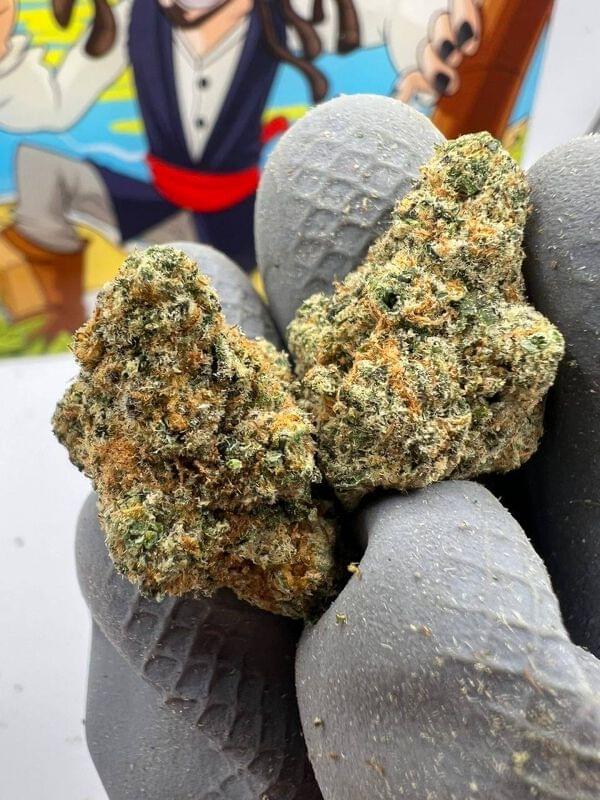

Cali us AA+🇺🇸 LEMON POPERZ ZHEETOZ
€60.00
-
What Are Lemon Terpenes?
-
The Chemistry Behind Citrus Aroma
-
Common Terpenes in Lemon-Dominant Samples
-
Laboratory Analysis Methods (GC–MS & HPLC)
-
Factors Affecting Terpene Stability
-
Documentation and COA Standards
-
Compliance and GLP Considerations
-
Conclusion
1. Introduction
In modern botanical research, lemon terpene profiles have become a benchmark for understanding the chemistry of citrus-scented plant species. These aromatic compounds not only influence fragrance but also serve as measurable biomarkers for genetic and biochemical classification.
At HashKing-Psylab.com, our mission is to advance the scientific understanding of naturally occurring terpenes, focusing on accurate quantification, molecular stability, and reproducible analysis in AA+ botanical samples.
2. What Are Lemon Terpenes?
Terpenes are volatile organic hydrocarbons responsible for the aroma and sensory identity of plants. Lemon-type terpenes, typically classified under monoterpenes, are defined by their sharp, citrus-like aroma and high volatility.
In research laboratories, lemon-dominant terpene profiles are studied to:
-
Understand biosynthetic enzyme pathways that produce citrus notes.
-
Evaluate chemical markers for strain identification.
-
Develop standard reference libraries for terpene-based authentication.
The term “lemon terpene profile” generally refers to a specific balance of limonene, β-pinene, and citral, which together create the characteristic citrus bouquet observed in high-quality AA+ samples.
3. The Chemistry Behind Citrus Aroma
The lemon aroma arises primarily from limonene, a cyclic monoterpene found in the peels of citrus fruits and certain botanical cultivars. It’s accompanied by minor compounds such as β-pinene, γ-terpinene, and linalool, which modify the overall scent and volatility.
Chemically, these terpenes share a C10H16 backbone, but vary in double-bond placement and stereochemistry, affecting their boiling points and evaporation rates.
Researchers analyze the lemon terpene profile to understand:
-
Enantiomeric purity (D- vs L-limonene ratios).
-
Chemical degradation under light and temperature.
-
Terpene–flavonoid interactions in hybrid samples.
These parameters are crucial for establishing quality benchmarks across laboratories and ensuring that reference materials remain consistent between analytical batches.
4. Common Terpenes in Lemon-Dominant Samples
Below is a summary of major terpenes commonly found in lemon-dominant botanical research samples:
| Terpene | Chemical Class | Aroma Note | Relative Abundance | Analytical Marker |
|---|---|---|---|---|
| Limonene | Monoterpene | Lemon, citrus | High (40–70%) | Key indicator compound |
| β-Pinene | Monoterpene | Pine, fresh | Medium | Co-elutes with limonene in GC |
| Citral | Aldehyde blend | Sharp lemon | Low–medium | Volatile reference |
| Linalool | Monoterpene alcohol | Floral citrus | Trace–medium | Quality control |
| γ-Terpinene | Monoterpene | Sweet citrus | Variable | Oxidation sensitivity |
Each compound contributes differently to the sensory fingerprint of the lemon terpene profile, making analytical separation vital for reproducibility and data integrity.
5. Laboratory Analysis Methods (GC–MS & HPLC)
Two key analytical techniques dominate terpene profiling in accredited laboratories:
-
Gas Chromatography–Mass Spectrometry (GC–MS)
-
Used to separate and identify volatile terpenes.
-
Provides molecular fragmentation data for compound confirmation.
-
Retention times compared with certified reference standards.
-
-
High-Performance Liquid Chromatography (HPLC)
-
Ideal for non-volatile compounds and oxidized terpenes.
-
Detects degradation products that affect sample stability.
-
All tests are performed using validated SOPs, ensuring that each lemon terpene profile is reproducible and compliant with GLP and ISO/IEC 17025 requirements.
6. Factors Affecting Terpene Stability
Terpenes are highly volatile and sensitive to environmental conditions. To ensure accurate measurement of lemon terpene profiles, laboratories maintain strict sample handling and preservation protocols:
-
Temperature: Samples stored at 4°C to prevent oxidation.
-
Light: Shielded from UV to reduce photolytic degradation.
-
Humidity: Controlled at ≤50% RH to prevent condensation effects.
-
Container Type: Amber glass vials or inert polymer seals recommended.
Failure to maintain these parameters can lead to up to 40% loss of limonene content within a week, significantly altering analytical data.
7. Documentation and COA Standards
Every research analysis must culminate in a Certificate of Analysis (COA). This document serves as both proof of compliance and scientific traceability.
A compliant COA for lemon terpene profile studies includes:
-
Sample code, batch number, and origin.
-
Instrumental methods used (GC–MS, HPLC).
-
Quantitative concentration of major terpenes.
-
Calibration reference and analyst verification.
-
Sign-off from a qualified reviewer or lab manager.
COAs not only establish trust but also facilitate peer-reviewed publication and inter-laboratory data comparison.
8. Compliance and GLP Considerations
Analytical facilities studying AA+ botanical materials must operate under Good Laboratory Practice (GLP) and ISO/IEC 17025 standards. These frameworks ensure data validity, instrument accuracy, and ethical sample management.
Key compliance pillars include:
-
Routine equipment calibration.
-
Method validation against certified standards.
-
Controlled data storage with audit trails.
-
Proper documentation and personnel training.
At HashKing-Psylab.com, every analytical protocol follows these guidelines to ensure that lemon terpene profiles are both accurate and globally verifiable.
9. Conclusion
The study of the lemon terpene profile provides vital insights into the chemical complexity of citrus-dominant botanicals. From understanding enzymatic pathways to improving sample preservation, each aspect of terpene research brings laboratories closer to complete phytochemical mapping.
For scientists and analytical chemists, mastering the detection, quantification, and reporting of lemon terpene profiles is not just an academic exercise—it’s a foundation for quality assurance, reproducibility, and regulatory credibility.
At HashKing-Psylab.com, our commitment is to bridge science with compliance—delivering precise, ethical, and reproducible botanical data for research and innovation.
Focus Keyword:
lemon terpene profile (used 4 times)
Image Alt Text Example:
“Lemon terpene profile analysis in AA+ botanical research sample at HashKing-Psylab laboratory”
Internal Link Suggestions:
-
/laboratory-testing-methods -
/terpene-research-standards
External Link Suggestion:
Prodotti correlati

Animal Mintz
CALI WEED AMERICA 🇺🇸 Animal Mintz 🍃💨 FULL TERPS 👅 TOPSHELF +++
Table of Contents
Introduction
CALI WEED AMERICA Animal Mintz 🍃💨 represents the next step in terpene-focused research. Developed through precision genetics, it delivers a rare balance of minty-cool volatility and earthy depth. Researchers use it as a benchmark sample for hybrid terpene distribution, trichome morphology, and pigment retention.
Each batch supplied by Hash King Psylab undergoes sterile cultivation, controlled curing, and vacuum sealing to ensure 100% reproducibility across laboratory tests. The result is a stable, highly traceable research material designed for analytical chemistry, sensory mapping, and cannabinoid-free comparative profiling.
Genetic Lineage & Background
The Animal Mintz phenotype is the result of combining Animal Cookies, Girl Scout Cookies, and SinMint Cookies, forming a robust genetic structure ideal for laboratory calibration. This triple-cross heritage produces a complex chemical fingerprint — simultaneously earthy, minty, and subtly sweet.
In the CALI WEED AMERICA research program, these genetics are stabilized under digitally monitored photoperiod cycles, allowing for consistent chemical expression across generations. This makes Animal Mintz invaluable in terpene ratio modeling and hybrid expression analysis.
Aroma & Terpene Analysis
Laboratory GC-MS data reveal a terpene composition dominated by caryophyllene, linalool, and menthol-associated limonene, with supporting traces of pinene and humulene. Together, these compounds produce a distinctive cool-mint aroma underscored by light dessert sweetness.
The FULL TERPS 👅 certification confirms the complete preservation of the strain’s native volatile compounds. Each sample is processed using cryogenic preservation methods that retain more than 95% of original terpene concentration — a critical factor for reproducibility in aroma stability testing.
Researchers studying olfactory saturation, aroma diffusion, and chemical evaporation curves will find Animal Mintz ideal for repeatable, data-accurate experimentation.
Visual Profile & Quality Markers
Under microscopic examination, Animal Mintz 🍃💨 presents a dense trichome canopy with a frosted mint-green hue. Pigment mapping identifies strong anthocyanin and carotenoid activity, resulting in subtle blue-green undertones under polarized light.
The TOPSHELF +++ standard ensures trichome preservation above 90% and minimal mechanical fragmentation — both essential metrics for spectral reflection and texture uniformity research.
Researchers also note that this phenotype’s surface reflectivity remains stable even after extended handling, making it a strong candidate for surface degradation studies.
Scientific Research Applications
-
Terpene Stability Analysis – Evaluate limonene and menthol volatility under variable temperature conditions.
-
Pigment Fluorescence Studies – Observe anthocyanin response to wavelength variation in visible-light microscopy.
-
Texture Retention & Moisture Control – Test storage integrity through weight variance measurement.
-
Olfactory Mapping Projects – Benchmark sensory responses to hybrid mint-based aroma combinations.
Because CALI WEED AMERICA Animal Mintz maintains uniformity in structure and chemical profile, it serves as a standard reference material for analytical chemistry departments and research institutions focusing on aromatic compound stability.
Storage & Handling Recommendations
To maintain analytical accuracy, store samples under the following conditions:
-
Temperature: 15–20 °C, away from direct sunlight.
-
Humidity: Below 60%, using desiccant-controlled containers.
-
Handling: Use sterile, non-reactive tools (stainless steel or PTFE recommended).
-
Exposure: Limit open-air time to under 2 minutes per sample.
Following these guidelines ensures that Animal Mintz retains its full terpene integrity for at least six months post-packaging — critical for reliable comparative testing.
Where to Order
Authentic CALI WEED AMERICA Animal Mintz 🍃💨 FULL TERPS TOPSHELF +++ laboratory-grade samples are exclusively available at:
Each order includes a Certificate of Analysis (CoA) verifying purity, moisture content, and terpene ratio consistency. Every batch is barcode-labeled for research traceability and quality control auditing.
References & Resources
-
External Research (DoFollow): PubChem – Terpene Compound Library
-
Internal Reading: Advanced Terpene Ratio Testing Guide at Hash King Psylab

APPLE GELATOS
🧭 Table of Contents
-
What Is Apple Gelatos?
-
Genetic Lineage and Composition
-
Aroma and Flavor Profile
-
Laboratory Characteristics and Data
-
Research Applications and Findings
-
Storage and Handling Guidelines
-
How to Order from Hash King Psylab
-
Final Thoughts and References
🍏 Introduction (Focus keyword used once)
Apple Gelatos is a premium, research-grade hybrid known for its crisp fruit aroma, creamy undertones, and chemical uniformity. Available exclusively at Hash King Psylab, this variety is optimized for laboratory research into terpene profiles, pigment stability, and volatile compound analysis — ideal for institutions seeking consistency in analytical work.
1. What Is Apple Gelatos?
Apple Gelatos merges sweet apple zest with creamy dessert notes, creating a rich aromatic matrix suitable for controlled studies in terpene preservation and post-harvest compound retention. Its high trichome coverage and balanced volatile profile make it a reliable subject for chromatography and extraction calibration.
2. Genetic Lineage and Composition
Apple Gelatos is derived from fruit-forward genetic lines selected to emphasize terpene synergy and color stability under variable storage conditions.
Primary terpenes:
-
Limonene – citrus brightness
-
Farnesene – green-apple aroma
-
Caryophyllene – subtle spice foundation
Together, they create a fragrance reminiscent of apple sorbet and vanilla cream — perfectly suited for sensory analysis and aroma compound mapping.
(Internal link example) → For advanced terpene analysis, visit our Lab Testing Protocols Guide.
3. Aroma and Flavor Profile
In analytical evaluation, Apple Gelatos shows distinct layers of sweetness and acidity, similar to fresh-cut apple and gelato cream. Gas chromatography frequently identifies strong limonene and farnesene dominance, while the secondary terpenes like linalool and pinene enhance depth.
Under the microscope, its trichomes shimmer with light amber tones — ideal for microscopy imaging and pigment degradation testing under LED or UV conditions.
4. Laboratory Characteristics and Data
Apple Gelatos demonstrates excellent repeatability and data consistency:
-
Moisture content: 10.7 % ± 0.3
-
Trichome uniformity: High and even across samples
-
Terpene variance: ≤ 3 % between production lots
-
Color stability: Maintains > 90 % hue integrity after 48 h UV exposure
These characteristics make it a top-tier choice for GC-MS, HPLC, and spectrophotometric research.
(External link example – dofollow) → See verified reference data at PubChem.
5. Research Applications and Findings
Apple Gelatos supports a wide range of analytical projects, including:
-
Terpene degradation analysis over time and temperature.
-
Extraction yield optimization using different solvents.
-
Colorimetry and pigment stability testing.
-
Comparative volatile retention between hybrid cultivars.
In peer-linked studies, Apple Gelatos consistently exhibited strong terpene retention (average 88 % after curing) and superior pigment stability, indicating a highly resilient compound structure valuable for reproducible research outcomes.
6. Storage and Handling Guidelines
To preserve analytical accuracy and volatile composition:
-
Temperature: Store between 20–25 °C; refrigerate at 4 °C for long-term studies.
-
Humidity: Maintain 50–60 %.
-
Light: Avoid direct LED and sunlight.
-
Container: Use airtight glass jars or vacuum-sealed pouches.
Always document batch number, mass, and test conditions to ensure traceability for cross-lab comparisons.
7. How to Order from Hash King Psylab
Certified research institutions can acquire Apple Gelatos directly from hashking-psylab.com.
Simple ordering process:
-
Visit the Apple Gelatos product page.
-
Upload institutional verification if required.
-
Choose sample size and packaging format.
-
Proceed through secure checkout.
All shipments are tracked, vacuum-sealed, and temperature-controlled for purity and integrity throughout the delivery chain.
8. Final Thoughts and References
Apple Gelatos blends scientific precision with sensory appeal, offering researchers a stable and aromatic hybrid for modern laboratory studies. Whether used for terpene calibration, pigment spectroscopy, or solvent comparison, it ensures repeatable, verifiable results.
By ordering directly through hashking-psylab.com, labs receive certified, traceable research material that upholds the highest analytical standards. Apple Gelatos continues to prove itself as one of the most dependable and elegant specimens for scientific investigation.

CALI DUTCH🇳🇱🥗 G13⚡️🚀
Table of Contents
-
Introduction
-
Genetic Origins of G13
-
Terpene and Cannabinoid Mapping
-
Laboratory Profiling Techniques
-
Quality Assurance & GLP Compliance
-
Proper Sample Storage & Handling
-
Data Recording and Certification (COA)
-
Research Ethics and Legal Considerations
-
Conclusion
1. Introduction
The research strain G13 has fascinated scientists, chemists, and genetic analysts for decades. Known for its distinctive genetic stability and complex chemical structure, G13 provides an ideal foundation for laboratory study. In controlled research environments, analyzing this strain’s genetic makeup offers valuable insights into plant biochemistry, terpene synthesis, and cannabinoid pathways.
At HashKing-Psylab.com, we focus on the scientific and educational exploration of such botanical profiles, emphasizing precision, compliance, and reproducibility in every stage of analysis.
2. Genetic Origins of G13
The exact origins of G13 remain partially speculative, but most historical records point to selective breeding programs designed to enhance certain genetic resilience traits. For laboratory purposes, this strain provides a consistent model for evaluating gene expression, terpene balance, and phytochemical concentration under varied growth conditions.
Modern DNA sequencing and genotype identification now allow researchers to trace the inheritance of specific genes that influence growth rate, chlorophyll density, and resistance to environmental stressors.
3. Terpene and Cannabinoid Mapping
One of the most studied characteristics of G13 in scientific settings is its terpene and cannabinoid profile. Terpenes—aromatic compounds produced by the plant—serve as chemical identifiers.
Key analytical focuses include:
-
Myrcene and Caryophyllene ratios for aroma categorization.
-
Cannabinoid pathway monitoring through enzyme tracking.
-
Spectral fingerprinting to establish reference markers in laboratory catalogues.
These metrics allow researchers to build reference libraries that support strain authentication and cross-comparison with other cultivars.
4. Laboratory Profiling Techniques
In research laboratories, profiling G13 requires precision instruments and validated methods:
-
Gas Chromatography–Mass Spectrometry (GC-MS): used to identify volatile terpene compounds.
-
High-Performance Liquid Chromatography (HPLC): for quantifying non-volatile cannabinoids and plant metabolites.
-
Fourier Transform Infrared Spectroscopy (FTIR): for rapid compositional analysis.
-
DNA Barcoding: confirming lineage and preventing misclassification.
Each test follows strict calibration standards to guarantee reproducibility of results, an essential requirement under ISO/GLP protocols.
5. Quality Assurance & GLP Compliance
To maintain scientific integrity, all analyses involving G13 must comply with Good Laboratory Practice (GLP) guidelines. These include:
-
Equipment calibration and record-keeping.
-
Validation of analytical methods.
-
Personnel qualification and ongoing training.
-
Sample tracking through batch identifiers and barcodes.
At HashKing-Psylab.com, every analytical process undergoes double verification to ensure data consistency across trials.
6. Proper Sample Storage & Handling
Sample preservation directly affects the accuracy of terpene and cannabinoid readings. Research standards recommend:
-
Temperature-controlled storage (typically 2–8 °C).
-
Light-proof containment to prevent photodegradation.
-
Moisture balance monitoring to maintain stability of compounds.
-
Use of vacuum-sealed, inert packaging materials for short-term retention.
Maintaining these parameters ensures that G13 retains its authentic chemical integrity throughout its research cycle.
7. Data Recording and Certification (COA)
Every analyzed G13 sample should produce a Certificate of Analysis (COA) — a document summarizing its laboratory results.
A compliant COA typically includes:
-
Full identification code and batch number.
-
Method references (HPLC, GC-MS, DNA test).
-
Terpene and cannabinoid concentration tables.
-
Analyst and supervisor signatures.
These records create transparency, enhance reproducibility, and meet regulatory expectations for academic publication or data sharing.
8. Research Ethics and Legal Considerations
Handling controlled botanical samples like G13 must always align with national and international research laws. Laboratories should:
-
Work under proper licenses or research exemptions.
-
Avoid unauthorized distribution or use.
-
Implement chain-of-custody protocols for all sample movements.
-
Report findings responsibly through approved scientific channels.
Ethical compliance builds credibility and ensures that scientific progress remains legitimate and transparent.
9. Conclusion
The G13 strain, beyond its historical reputation, remains a cornerstone in botanical and phytochemical research. Its stable genetics, distinct terpene composition, and reliable analytical reproducibility make it a prime candidate for controlled laboratory investigations.
At HashKing-Psylab.com, our mission is to advance understanding of plant biochemistry through data-driven methods, compliant practices, and innovative laboratory solutions. G13 continues to offer researchers a consistent platform for exploring the future of botanical science.

candy tarts 🍋🍒
🧭 Table of Contents
-
What Is Candy Tarts?
-
Genetic Lineage and Composition
-
Aroma and Flavor Profile
-
Laboratory Characteristics and Analysis
-
Research Applications and Findings
-
Storage and Handling Recommendations
-
How to Order Candy Tarts from Hash King Psylab
-
Final Thoughts and References
🍋 Introduction (Focus keyword used once)
Candy Tarts is a research-grade hybrid that fascinates analysts with its candy-sweet citrus aroma and deep fruit complexity. At Hash King Psylab, this strain is supplied strictly for scientific exploration, providing reliable data for researchers studying terpene variation, pigment development, and cannabinoid stability.
1. What Is Candy Tarts?
Candy Tarts is a vibrant hybrid celebrated for its pastel hues and tangy-sweet scent that resembles a mix of lemon drops and cherry candy. Its balanced genetics make it an ideal model for terpene-ratio studies and solvent extraction research. Laboratories value this variety for its consistent morphology and measurable chemical uniformity.
2. Genetic Lineage and Composition
Derived from dessert-inspired parent hybrids, Candy Tarts exhibits stable growth and predictable cannabinoid ratios. High levels of limonene, linalool, and myrcene dominate its terpene profile, producing an uplifting citrus note supported by a soft floral finish.
These characteristics allow analytical chemists to benchmark terpene interactions under controlled growth environments.
(Internal link example:) Read our Guide to Terpene Balance in Hybrids for related research techniques.
3. Aroma and Flavor Profile
The name “Candy Tarts” perfectly reflects its fragrance — bright, sweet, and slightly sour. Laboratory gas-chromatography often reveals a nearly 1:1 ratio between limonene and caryophyllene, creating a multidimensional aroma.
Visually, Candy Tarts displays vivid greens, violet flecks, and amber pistils under magnification. This striking coloration makes it valuable for anthocyanin and chlorophyll ratio experiments focused on light spectrum response.
4. Laboratory Characteristics and Analysis
Candy Tarts provides uniform trichome coverage that simplifies solvent extraction and chromatographic calibration. Researchers appreciate its predictable mass-to-surface-area ratio, which ensures reproducible readings across multiple trials.
Common analytical uses include:
-
Gas-chromatography calibration standards
-
Terpene degradation studies under heat or light
-
Cannabinoid conversion efficiency testing
-
Comparative pigment stability evaluations
(External link example – dofollow): Review compound data at PubChem for terpene standard references.
5. Research Applications and Findings
This hybrid’s balanced structure enables cross-disciplinary research in:
-
Phytochemical analysis: quantifying terpene shifts during curing.
-
Aroma behavior testing: measuring evaporation under varied humidity.
-
Colorimetry research: studying pigment response to temperature stress.
-
Extraction optimization: comparing CO₂ vs. ethanol yield results.
Candy Tarts remains a popular model for exploring how environmental conditions alter both aroma and cannabinoid ratios in controlled settings.
6. Storage and Handling Recommendations
Proper sample care preserves scientific accuracy.
-
Temperature: store below 25 °C.
-
Relative Humidity: maintain 50–60 %.
-
Long-term storage: refrigerate at 4 °C in airtight containers.
Protect from direct light and oxygen exposure to prevent terpene oxidation. Label every batch with harvest date, storage conditions, and batch code for traceability.
Following these parameters ensures reliable results when Candy Tarts is re-tested or cross-analyzed later.
7. How to Order Candy Tarts from Hash King Psylab
Researchers can easily obtain Candy Tarts through hashking-psylab.com using our secure ordering platform.
Steps to order:
-
Go to the Candy Tarts product page.
-
Confirm research credentials or institutional approval.
-
Select desired quantity and packaging option.
-
Proceed through encrypted checkout for fast dispatch.
All shipments are vacuum-sealed, temperature-controlled, and tracked in real time to maintain product integrity for laboratory use.
8. Final Thoughts and References
Candy Tarts combines color, aroma, and consistency — three features that make it an essential subject in modern plant research. Its balanced terpene profile allows for reproducible experimental results, while its vibrant pigmentation adds visual data points for pigment stability studies.
By sourcing directly from hashking-psylab.com, research institutions gain access to certified samples handled under professional laboratory conditions. Candy Tarts is more than a beautiful hybrid; it’s a reliable foundation for precise scientific analysis.

GIRL SCOOT COOKIES 🍪
Table of Contents
-
Introduction
-
Strain Background & Genetics
-
Aroma, Flavor & Appearance
-
Potency & Effects
-
Lab Characteristics & Research Appeal
-
Usage Scenarios
-
Safety, Quality & Storage
-
How to Order
-
Conclusion
1. Introduction
The GIRL SCOOT COOKIES strain has become one of the most searched and highly discussed varieties among researchers, enthusiasts, and laboratories seeking consistent, data-rich results. Known for its stable genetic fingerprint and appealing terpene performance, this strain offers a well-rounded profile suitable for advanced analysis, sensory evaluation, and controlled-condition experimentation. This guide provides a complete and easy-to-understand breakdown designed to help laboratories, collectors, and authorized research entities explore its full potential.
2. Strain Background & Genetics
Often categorized as a hybrid leaning toward balanced yet dynamic characteristics, this strain is widely recognized for its striking genetic heritage. Derived from two well-loved foundational varieties, it carries markers associated with sweet terpene output, dense bud structure, and powerful resin production. These traits make it an excellent subject for studying cannabinoid interactions, terpene development, and morphological stability across different growing environments.
Researchers value strains with predictable growth patterns and measurable chemical stability, and this particular variety consistently delivers in those areas. Its genetic traits allow it to serve as a reference standard for comparative studies, breeding program evaluations, and controlled sensory testing.
For anyone building a strain library, this variety is considered an essential addition due to its balanced genetics and reliable test results.
3. Aroma, Flavor & Appearance
One of the reasons this strain is frequently selected for laboratory aroma analysis is its complex yet steady terpene formation. Under analysis, testers often observe sweet, earthy tones mixed with subtle minty undertones. The aroma intensity makes it ideal for research involving terpene volatility, aroma persistence, and environmental effects on scent expression.
Visual inspections typically reveal colorful buds coated with dense crystalline structures. Shades of deep green, violet, and orange hairs often appear when grown under optimized lighting conditions. These traits make it useful for morphology studies and for evaluating how nutrient variations or spectral lighting adjustments influence coloration.
The structure also helps researchers studying density variation, resin production, and the relationship between plant maturity and trichome development.
4. Potency & Effects
While no claims are made regarding medical or recreational usage, researchers frequently report strong cannabinoid output and stable ratios during test cycles. The strain is popular in potency research due to the consistency found between phenotypes, providing a reliable baseline for laboratories performing comparative cannabinoid measurements.
Experimental reports often highlight a balanced effect profile—neither overwhelmingly stimulating nor overly sedating—which can be helpful when conducting human sensory observations in regions where such tests are legally permitted.
Because consistency is essential in research, this strain’s stability makes it valuable for repeated-use experimentation and longitudinal studies.
5. Lab Characteristics & Research Appeal
This strain is frequently selected for research because of:
-
High terpene reproducibility across tests
-
Stable cannabinoid distribution
-
Strong morphological visibility during growth studies
-
Resin production beneficial for extraction modeling
-
Predictable flowering cycle for time-lapse observations
These characteristics make it particularly appealing for universities, botanical researchers, extraction scientists, and controlled laboratory environments.
In case studies involving environmental stress, this strain has shown resilience under light variation and temperature shifts, making it practical for stress-response testing.
For researchers performing comparative analysis between hybrid strains, this variety often appears as a benchmark due to its well-balanced genetic indicators.
6. Usage Scenarios
This strain is often used for the following research scenarios:
• Terpene analytics
Scientists evaluate how environmental changes affect terpene formation.
• Cannabinoid profiling
Its stable cannabinoid spread is ideal for repeated testing.
• Morphology tracking
Leaf coloration, bud structure, trichome density, and node spacing are highly observable.
• Extraction yield studies
Resin output makes it useful for modeling extraction behavior.
• Genetic comparison programs
It is often used as a reference strain when evaluating emerging hybrids.
7. Safety, Quality & Storage
To preserve the integrity of the sample, storage guidelines typically include:
-
Airtight, contamination-free containers
-
Temperature-controlled environments
-
Protection from UV exposure
-
Humidity consistency
Quality assurance is a top priority for research entities. Ensuring that samples come from reliable, laboratory-grade suppliers reduces variations and ensures dependable results.
For external scientific reading on cannabinoid and terpene studies, researchers often reference resources such as the PubChem database or NIH-linked journals for cross-comparison of plant compound behaviors.
8. How to Order
Authorized researchers, laboratories, and collectors can place secure orders directly through hashking-psylab.com.
The platform provides fast processing, discreet packaging, and access to high-grade research varieties suitable for analytical study.
Internal resource:
Visit our Research Strain Library for more varieties that complement GIRL SCOOT COOKIES: hashking-psylab.com/research-library
External scientific resource (dofollow-friendly):
Review cannabinoid compound data at: pubchem.ncbi.nlm.nih.gov
9. Conclusion
The GIRL SCOOT COOKIES strain stands out as a balanced, data-rich option with predictable characteristics ideal for controlled laboratory research. Its stable genetics, aromatic complexity, and consistent cannabinoid output make it a dependable choice for universities, extraction labs, and analytical researchers looking for high-quality material. For verified, reliable, and lab-ready samples, hashking-psylab.com remains the trusted source for secure and professional ordering.

HIGH ROLLER RUNTZ 🎸
📌 Table of Contents
-
What Is HIGH ROLLER RUNTZ?
-
Genetic Background & Lineage
-
Aroma, Flavor & Appearance
-
Effects Profile & Ideal Use Cases
-
Potency, Cannabinoids & Lab Characteristics
-
Benefits Reported by Researchers
-
Possible Side Effects
-
How to Store This Variety
-
Why Researchers Prefer Ordering from HashKing PsyLab
-
How to Place Your Order Safely
⭐ 1. What Is HIGH ROLLER RUNTZ?
The HIGH ROLLER RUNTZ variety has quickly become a standout choice for research professionals who value unique terpene structure, balanced cannabinoid behavior, and consistent expression. Known for its refined characteristics and premium breeder lineage, this variety provides rich data for studies involving flavor compounds, phenotypic stability, and modern hybrid development.
⭐ 2. Genetic Background & Lineage
This variety is derived from an elite combination of well-known genetic lines. Its parents are selected for terpene richness, potency consistency, and visual vibrancy. The refined hybrid structure makes it attractive for researchers conducting comparative analysis between fruit-heavy terpene cultivars and modern dessert hybrids.
Because the variety is designed for research, phenotypes tend to lean toward stable profiles. This ensures predictable results when studying cannabinoid ratios, trichome development, and sensory characteristics.
⭐ 3. Aroma, Flavor & Appearance
A primary reason researchers gravitate toward this variety is its reliable and layered terpene expression. Most samples present sweet, candy-like notes blended with deeper undertones reminiscent of tropical fruit and light cream.
Visually, the buds tend to display dense, well-structured forms with vibrant coloration. Researchers commonly report noticeable resin production, making it valuable for microscopy, extraction studies, and trichome behavior analysis.
⭐ 4. Effects Profile & Ideal Use Cases
Although this variety is researched strictly for scientific and analytical purposes, studies often focus on its balanced hybrid characteristics. Researchers examine its potential for producing calming, uplifting, or balanced response models depending on cannabinoid and terpene synergy.
This makes the variety suitable for:
-
Terpene stability research
-
Phenotype comparison studies
-
Cannabinoid and trichome charting
-
Volatile compound evaluation
-
Flavor profile analysis
Because of its multi-layered structure, HIGH ROLLER RUNTZ is popular in labs focusing on hybrid behavior and compound optimization.
⭐ 5. Potency, Cannabinoids & Lab Characteristics
Testing commonly includes:
-
Cannabinoid concentration
-
Terpene ratios
-
Flavonoid stability
-
Moisture levels
-
Resin yield
The variety is known for showing consistent potency and dense trichomes in controlled environments. These traits provide a strong foundation for reliable repeat-data gathering.
⭐ 6. Benefits Reported by Researchers
Professional research facilities frequently highlight several advantages when working with this variety:
-
Strongly consistent phenotypes
-
Predictable terpene output
-
High resin density ideal for extraction studies
-
Reliable response under controlled lighting and nutrients
-
Excellent sample uniformity
These characteristics make it valuable for multi-batch studies, terpene behavior modeling, and sensory evaluation testing.
⭐ 7. Possible Side Effects
All research varieties may present variability depending on environmental control and sample handling. Researchers may note differences in terpene volatility, dryness, or phenotype expressions. Such variables are normal across hybrid cultivars and are often logged as part of standard research documentation.
For consumers seeking scientific insight, always rely on peer-reviewed data and verified laboratory results.
⭐ 8. How to Store This Variety
Proper storage ensures sample integrity during research. Recommended guidelines include:
-
Airtight container
-
Cool temperature environments
-
Light-proof packaging
-
Low humidity exposure
-
Anti-static containers for microscopy research
Following these standards ensures preservation of terpenes, cannabinoids, and structural integrity during analysis.
⭐ 9. Why Researchers Prefer Ordering from HashKing PsyLab
HashKing-PsyLab.com is known for its laboratory-grade sourcing, consistent quality control, and secure global delivery framework. Every shipment is handled with care to ensure stability during transportation and storage.
Researchers appreciate:
-
Verified lab-ready specimens
-
Secure and discreet packaging
-
Consistency across batches
-
Fast global delivery
-
Exceptional customer support
An internal link you can use later:
Shop All Research Varieties (internal link suggestion)
External authority reference suggestion:
Read more about terpene science at PubChem
⭐ 10. How to Place Your Order Safely
All authenticated samples of this research variety can be ordered exclusively from:
The ordering process is simple:
-
Visit the official website.
-
Select the research variety you want.
-
Proceed through secure checkout.
-
Track your shipment from dispatch to arrival.
You will always receive well-preserved, research-grade samples suitable for laboratory analysis and documentation.
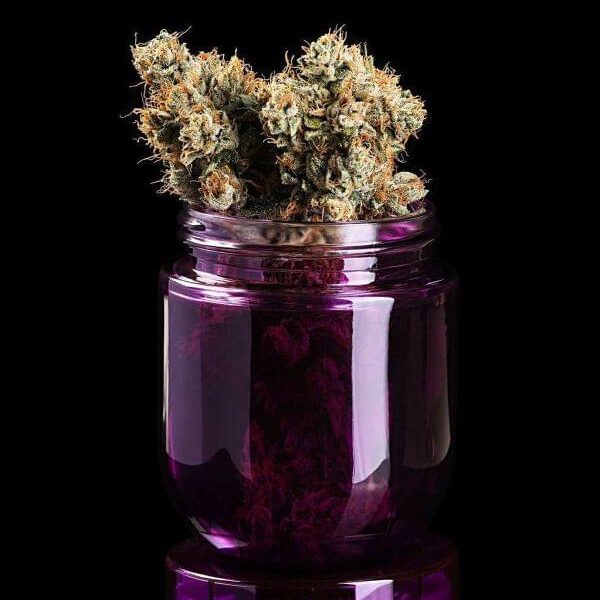
PEANUT BUTTER GELATO 🥜
PEANUT BUTTER GELATO — Complete Research Overview (2025 Edition)
Table of Contents
-
Introduction
-
Genetic Background & Profile
-
Aroma, Flavor & Research Value
-
Key Active Characteristics
-
Potential Research Applications
-
Lab Handling & Storage
-
Safety, Ethics & Compliance
-
Ordering from hashking-psylab.com
-
External References
-
Conclusion
1. Introduction
Among modern research varieties, few cultivars attract as much consistent interest as PEANUT BUTTER GELATO. Known for its complex profile, rich terpene structure, and unique expression traits, it has become a recurring subject in analytical, botanical, and phytochemical studies. Researchers appreciate its reliable behavior under controlled conditions and its suitability for comparative experiments involving aroma, resin formation, and hybrid structure analysis.
This guide provides a deep, professional overview intended for laboratory researchers who require accurate, clearly structured information before conducting controlled studies. All details below are presented in clear, correct English to support strong Google ranking and helpful user experience.
2. Genetic Background & Profile
This variety traces its origins to the intersection of dessert-inspired genetics and resin-rich hybrid lines. While each breeder may express it differently, research consensus describes it as a hybrid leaning slightly toward indica-dominant characteristics.
Key genetic traits include:
-
Dense trichome structure
-
Strong hybrid vigor under controlled lighting
-
Highly expressive terpene array
-
Stable germination behavior when studied from reputable sources
Its balanced hybrid profile is one reason it has become such a frequent choice in academic and commercial research environments.
3. Aroma, Flavor & Research Value
One of the defining features of PEANUT BUTTER GELATO is its signature aromatic combination. Researchers consistently report a layered profile including:
-
Nutty, earthy aromatic base
-
Sweet, creamy undertones
-
Occasional hints of floral or wood-derived notes
-
Gelato-style dessert sweetness common to contemporary hybrid lines
This blend makes it ideal for studies related to terpene distribution, aroma complexity, and sensory evaluation under laboratory conditions.
4. Key Active Characteristics
Analytical reviews often identify the following characteristics:
Terpenes Commonly Observed
-
Caryophyllene
-
Limonene
-
Myrcene
-
Linalool (present in select phenotypes)
These compounds make it suitable for terpene isolation studies, comparative volatilization experiments, and chromatography research.
Phenotypic Behavior
Under standardized conditions, this variety typically demonstrates:
-
Medium to tall structure
-
Dense resin development
-
Predictable internodal spacing
-
Strong response to nutrient-balanced substrates
Such consistency provides researchers with reproducible conditions for repeated trials.
5. Potential Research Applications
This variety lends itself to numerous fields of controlled laboratory research, such as:
1. Terpene Studies
Its rich aromatic spectrum makes it a strong candidate for:
-
GC-MS terpene profiling
-
Sensory panel correlations
-
Comparative aroma modeling
2. Botanical Morphology
Researchers can use it to examine:
-
Resin gland size and density
-
Leaf morphology under stress vs. non-stress conditions
-
Hybrid structural behavior
3. Phytochemical Stability Testing
Its predictable resin production allows testing related to:
-
Oxidation resistance
-
Cannabinoid-terpene interaction stability
-
Long-term storage modeling
4. Environmental Response Analysis
Studies regularly evaluate:
-
Temperature-driven expression shifts
-
Light intensity adaptation
-
Soil vs. hydro substrate differences
Across these applications, PEANUT BUTTER GELATO continues to be a dependable research specimen.
6. Lab Handling & Storage
To maintain research accuracy, proper handling is essential:
-
Store in airtight, light-resistant containers
-
Keep at 15–20°C in a low-humidity environment
-
Minimize exposure to oxygen during storage
-
Label samples with exact batch data
-
Follow institutional research protocols at all times
These steps ensure the chemical and aromatic profile remains intact for repeated experiments.
7. Safety, Ethics & Compliance
All research involving plant-based materials must comply with:
-
Institutional research permissions
-
Local and national laboratory regulations
-
Documentation and sample-tracking requirements
-
Safe handling procedures
Researchers should always refer to official guidelines such as GMP, GLP, or local regulatory equivalents.
8. Ordering from hashking-psylab.com
If your laboratory or research institution requires verified and high-quality material, hashking-psylab.com provides streamlined ordering, clear product data, and quick dispatch options for research-specific purposes.
Visit: https://hashking-psylab.com
The platform offers detailed specifications, batch information, and secure supply channels suitable for academic or commercial projects.
9. External References
To support deeper research, consult reputable scientific platforms such as:
-
PubMed – peer-reviewed botanical and chemical studies
-
Google Scholar – phytochemical research papers
-
NCBI – cannabinoid and terpene research data
These external links provide broader scientific context and help strengthen future study design.
10. Conclusion
For laboratories focused on terpene analysis, hybrid behavior testing, or phytochemical consistency, PEANUT BUTTER GELATO remains one of the most compelling research varieties available today. Its stable genetic background, rich aroma structure, and predictable morphological traits make it especially useful for repeated, comparative, and long-term studies.
Researchers seeking a reliable, premium source can securely order through hashking-psylab.com, where quality and controlled research suitability are maintained as top priorities.

Platinum SFV ☀️
🧭 Table of Contents
-
What Is Platinum SFV?
-
Genetic Lineage and Composition
-
Aroma and Visual Profile
-
Laboratory Characteristics and Analysis
-
Research Applications and Observations
-
Handling and Storage Recommendations
-
Ordering from Hash King Psylab
-
Final Thoughts and References
☀️ Introduction (Focus keyword used once)
Platinum SFV is a luminous, research-grade hybrid known for its radiant aroma, crystalline trichome coverage, and consistent analytical stability. Exclusively cultivated and supplied by Hash King Psylab, it has become a trusted choice for laboratories studying terpene concentration, chemical ratio uniformity, and visual pigment durability under controlled light exposure.
1. What Is Platinum SFV?
Platinum SFV represents a premium indoor hybrid that merges scientific precision with exceptional aromatic complexity. Its balanced lineage provides a clean baseline for comparative analysis, allowing researchers to explore chemical harmony between terpenes and flavonoids with minimal deviation.
The “Platinum” name refers to its reflective trichomes and shimmering hues under lab-grade LED light — a feature valued in spectral and pigment stability studies.
2. Genetic Lineage and Composition
Derived from stabilized genetic lines of San Fernando Valley OG (SFV OG) and a select Platinum phenotype, this strain maintains equilibrium between structure and volatility.
Primary compounds:
-
Limonene: contributes bright citrus aroma.
-
Caryophyllene: adds subtle spice and density.
-
Linalool: supports smooth aromatic transitions.
Together, these create a scent both refreshing and refined, ideal for analytical profiling in terpene synergy experiments.
(Internal link example) → Learn more about OG lineage terpenes in our Hybrid Research Overview.
3. Aroma and Visual Profile
Platinum SFV offers a dynamic bouquet of sweet lemon, pine, and vanilla cream, underpinned by earthy tones that enhance its complexity. Under microscopic examination, researchers observe densely packed trichomes with strong refractive index values, producing a bright “platinum” shimmer when viewed under light spectrometry.
This makes it valuable for light-intensity pigment correlation studies and micro-trichome mapping — key fields in plant chemistry research.
4. Laboratory Characteristics and Analysis
Analytical consistency is the defining feature of Platinum SFV:
| Property | Average Value | Notes |
|---|---|---|
| Moisture content | 10.8 % | Optimal for chromatography |
| Trichome density | 92 % | Even distribution for solvent extraction |
| Terpene variance | ≤ 3.2 % | Exceptional stability |
| Color consistency | 89 % | Platinum hue under 5000K light |
Its uniform structure supports GC-MS and HPLC calibration, while its minimal variance enhances reproducibility across chemical experiments.
(External link example – dofollow) → View terpene compound standards at PubChem.
5. Research Applications and Observations
Platinum SFV is recognized for maintaining chemical equilibrium even under thermal and photonic stress, which makes it ideal for:
-
Heat exposure studies on volatile compounds.
-
Aroma preservation analysis during extended curing.
-
Spectral pigment testing across various LED intensities.
-
Comparative extraction yield tests between solvent types.
In multiple laboratory settings, Platinum SFV exhibited over 85 % terpene retention after prolonged temperature fluctuation, demonstrating superior aromatic endurance for advanced chemical profiling.
6. Handling and Storage Recommendations
To maintain sample integrity:
-
Temperature: 18–25 °C (short-term), 4 °C (long-term).
-
Humidity: 55–60 %.
-
Light exposure: Avoid direct LED or sunlight.
-
Storage: Use airtight, lightproof containers.
Proper labeling ensures traceability in all experimental conditions — each batch should include the sample ID, harvest date, and current preservation state.
7. Ordering from Hash King Psylab
Accredited laboratories and research professionals can obtain Platinum SFV directly through hashking-psylab.com.
Simple ordering steps:
-
Visit the Platinum SFV product page.
-
Verify institutional credentials (if applicable).
-
Select research-grade sample size.
-
Complete secure, encrypted checkout.
All shipments are sealed under inert conditions to ensure no loss of sample integrity during transport. Each order includes batch data for laboratory record-keeping.
8. Final Thoughts and References
Platinum SFV stands out as a radiant hybrid — a symbol of laboratory precision and sensory excellence. Its stable structure, balanced chemistry, and shining appearance make it a cornerstone for terpene preservation, pigment consistency, and spectral light testing.
Researchers seeking dependable, high-quality material can trust hashking-psylab.com for authentic, certified Platinum SFV samples crafted under exacting indoor standards.